History Museum Of Armenia
Yerevan, Armenia
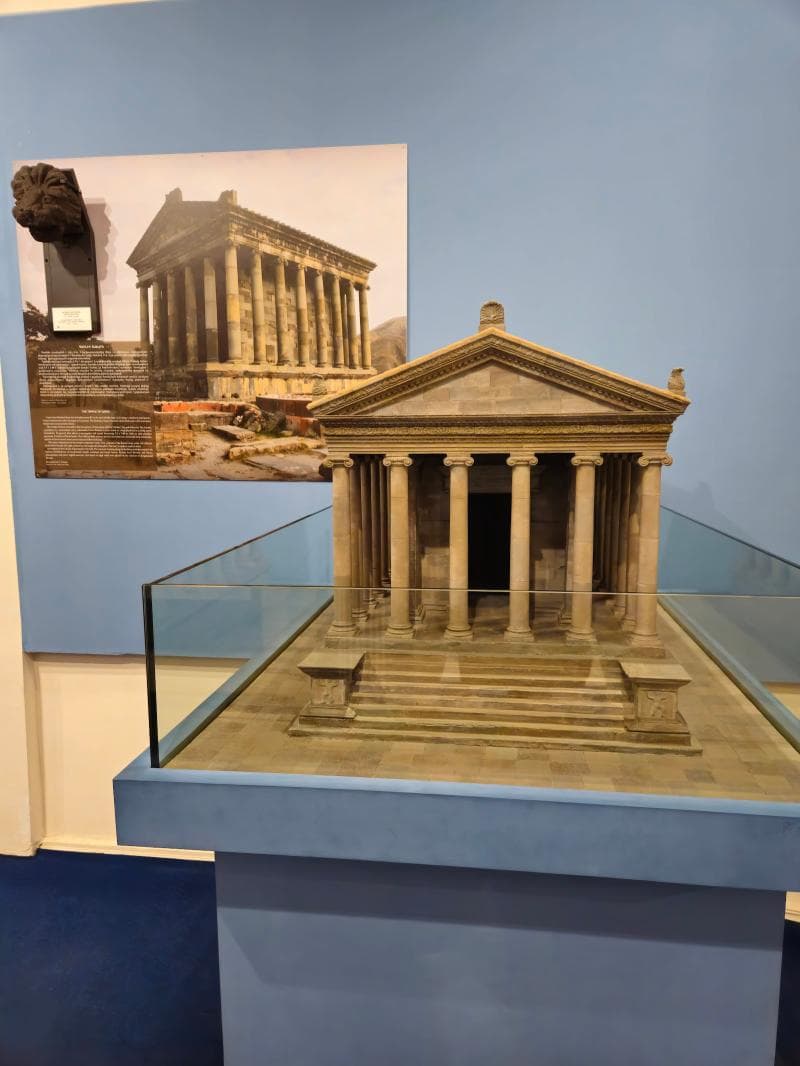
Explore the History Museum of Armenia in Yerevan's Republic Square. Discover 400,000+ artifacts spanning millennia of Armenian history and culture.
Overview
Nestled within the iconic Republic Square in the heart of Yerevan, Armenia, stands the History Museum of Armenia – a beacon of national heritage. This prominent institution, sharing its grand architectural space with the National Gallery, serves as the country's foremost repository of Armenian history and culture. It offers an immersive journey through millennia, presenting a comprehensive narrative from prehistoric times to the modern era. With a vast collection of over 400,000 artifacts, the museum is not merely a display of objects but a vibrant chronicle of the Armenian people's enduring legacy and ingenuity.
Housed in a magnificent building that is an integral part of Republic Square's striking pink tufa architecture, the museum beckons curious travelers to explore Armenia's profound past. Its strategic location makes it easily accessible, acting as a cultural anchor in the bustling capital. Visitors can expect to traverse chronological exhibits that reveal the rich tapestry of Armenian civilization through archaeological finds, ethnographic treasures, numismatic collections, and significant historical documents.
History & Cultural Background
The History Museum of Armenia was established on September 9, 1919, by a decree of the Parliament of the First Republic of Armenia, initially named the 'Ethnographic-Anthropological Museum-Library'. Its doors first opened to the public on August 20, 1921, marking the inception of a monumental effort to preserve the nation's identity. Over the decades, the museum underwent several name changes, reflecting its evolving scope and national significance, until it officially became the History Museum of Armenia in 2003.
The museum's foundational collections were gathered from various vital institutions, including the Armenian Ethnographical Association of the Caucasus, the Nor Nakhijevan Museum of Armenian Antiquities, the Museum of Antiquities of Ani, and the Vagharshapat Repository of Ancient Manuscripts. These initial contributions numbered nearly 15,289 objects. Its mission has always been to acquire, collect, catalogue, preserve, study, interpret, and exhibit the material and intangible cultural values relating to Armenia and its people, thereby contributing significantly to scientific research, education, and tourism.
What Makes It Special
What truly distinguishes the History Museum of Armenia is its astonishing breadth and the unique significance of many of its exhibits. It houses objects spanning an immense timeline, from the Paleolithic era, dating back approximately 1.8 million years, right up to contemporary times. The museum's collection is a testament to the continuous habitation and cultural development of the Armenian Highlands, showcasing cultural interactions with ancient Eastern civilizations like Egypt, Assyria, Rome, and Byzantium.
The museum is particularly renowned for its Urartian collection, featuring exquisite cuneiform inscriptions, including the celebrated tablet detailing the foundation of Erebuni (modern-day Yerevan) by King Argishti I in 782 BC. Beyond this, visitors can marvel at bronze statuettes, intricate wall paintings, painted ceramics, and weapons adorned with sculptural ornamentation from the powerful Urartian kingdom. Another remarkable highlight is the collection of bronze items from the 3rd-2nd millennia BC, considered masterpieces of world heritage.
Stories, Fun Facts & Local Details
Among the countless narratives held within its walls, some artifacts at the History Museum of Armenia tell particularly compelling stories. One of the most famous is the world's oldest leather shoe, a remarkably preserved 5,500-year-old footwear discovered in the Areni-1 cave. This ancient shoe, dating back to the Chalcolithic Age, predates Egypt's Great Pyramid of Giza by a thousand years, offering an intimate glimpse into early human craftsmanship. The museum even offers visitors the chance to try on a replica of this ancient footwear, connecting them tangibly to a distant past.
Another fascinating display features wooden carts and chariots excavated from Lchashen, dating back to the 15th-14th century BC. These well-preserved relics provide invaluable insights into ancient transport and societal structures. The museum's numismatic department boasts a rich array of coins from various empires and Armenian dynasties, tracing economic and political changes through the ages. Furthermore, sections dedicated to traditional Armenian carpet weaving and national costumes celebrate the nation's rich ethnographic heritage.
Visitor Perspective
For any traveler eager to grasp the profound history and cultural depth of Armenia, the History Museum is an essential stop. It presents a clear chronological progression, making the vast historical periods digestible and engaging. While some older exhibits might have limited English translations, the sheer visual impact and the significance of the artifacts transcend language barriers. Hiring a guide is highly recommended to fully appreciate the intricate details and historical context of the collections.
The museum's location within Republic Square means a visit can be seamlessly integrated into exploring other central attractions, such as the famous 'singing fountains' that come alive in the evenings. Experiencing the museum offers a powerful connection to the resilience and rich cultural legacy of the Armenian people, providing a deeper understanding of the country's identity. Allow ample time for your visit, as the wealth of exhibits means that what might seem like a quick stop can easily turn into several hours of captivating discovery.
Coordinates: 44.5142, 40.1787
View on Google Maps💬 How Travelers Describe This Place
Based on community votes
Must See
569Unique
476Interesting
465Photogenic
276Beautiful
128
Traveler Stories
Discover memorable experiences shared by travelers who have visited this place.
No traveler stories yet.
Be the first traveler to share what made this place memorable.

Tour
By
Spot
Discover amazing places around the world. Your journey starts here.
Explore
© 2026 TourBySpot. All rights reserved.