Historical Interiors
Chisinau, Moldova
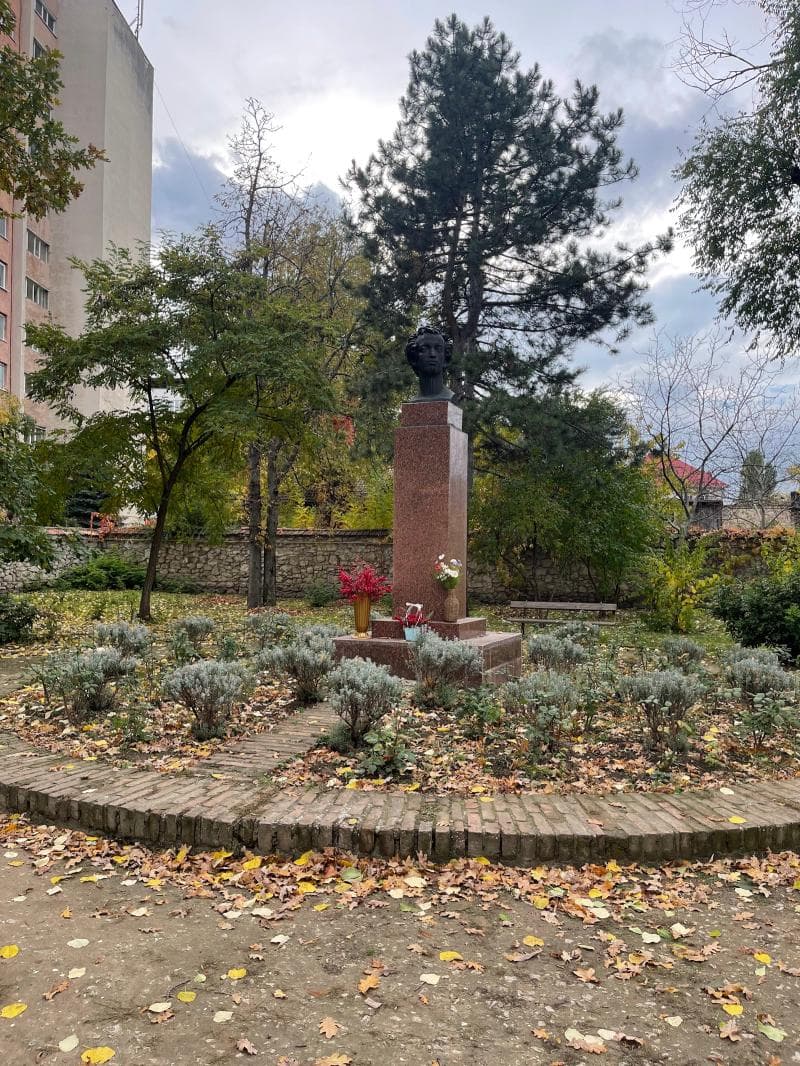
Explore the Historical Interiors of the Alexander Pushkin House-Museum in Chișinău, Moldova, and step into the 19th-century world of the exiled poet.
Overview
Step through the threshold of time and discover the ‘Historical Interiors’ within the Alexander Pushkin House-Museum in Chișinău, Moldova. This revered complex offers a unique window into the early 19th century, meticulously recreating the intimate spaces where the illustrious Russian poet, Alexander Pushkin, resided during his period of exile. It is not merely a collection of rooms, but a thoughtfully curated experience designed to transport visitors directly into the atmosphere of the 1820s, allowing for a profound connection with the literary giant's daily life and creative spirit.
Housed in a charming 19th-century mansion, one of only two preserved Pushkin residences worldwide, the museum presents a tangible narrative of his three years spent in Bessarabia. The ‘Historical Interiors’ comprise carefully arranged memorial rooms and exhibition spaces, each furnished with authentic period pieces, rare editions of Pushkin's works, and personal artifacts that echo the era's aesthetic and cultural nuances.
History & Cultural Background
The story of the Alexander Pushkin House-Museum is intrinsically linked to a pivotal period in the poet's life. In September 1820, at the young age of 21, Alexander Pushkin was exiled from St. Petersburg by the Tsarist government to Chișinău. He spent three impactful years, from 1820 to 1823, in Bessarabia, a time that proved incredibly productive for his literary output. During his stay in Chișinău, Pushkin lodged in a house that then belonged to General Ivan Inzov.
Within these very walls, Pushkin penned some of his most significant works, including ‘The Prisoner of the Caucasus’, ‘The Gypsies’, ‘The Black Shawl’, and ‘To Ovid’. It was also here that he began the monumental task of writing the first part of his acclaimed novel in verse, ‘Eugene Onegin’. The house was officially transformed into a museum on February 10, 1948, becoming an architectural monument of national value. Extensive restoration efforts in 1982 and again in 1999, coinciding with the 200th anniversary of Pushkin's birth, have diligently maintained the museum's historical integrity and special energy.
What Makes It Special
What truly sets the ‘Historical Interiors’ apart is their meticulous authenticity and the palpable sense of presence they evoke. Visitors are not merely observing exhibits behind glass; they are stepping into a recreated world where every detail contributes to a genuine immersion into the past. The museum prides itself on its collection of 19th-century furnishings, including antique furniture, writing desks, and decorative art objects from the late 18th and early 19th centuries.
Imagine seeing the very writing desk where Pushkin might have composed his verses, or the parlor where he engaged in intellectual discourse with local cultural figures. The careful arrangement of these items, alongside rare editions of his works and contemporary prints, allows one to visualize the poet's life and work in vivid detail. This tangible connection to the past offers a unique perspective on the circumstances that shaped one of Russia's greatest literary minds, making the visit profoundly special.
Stories, Fun Facts & Local Details
Beyond the artifacts, the ‘Historical Interiors’ whisper stories of Pushkin's time in Chișinău. Despite being an exile, his period in Bessarabia was remarkably fruitful, highlighting the resilience of his creative spirit even under duress. It is said that the local culture and the people he met influenced his later works, showcasing a unique blend of Russian and Moldovan historical contexts. Visitors can almost feel the echoes of his thoughts and inspirations within these walls.
A delightful aspect of the museum is its charming inner courtyard, a serene space perfect for quiet contemplation away from the city's hustle and bustle. This courtyard often hosts poetry evenings and cultural events, keeping Pushkin's legacy alive through contemporary expressions. The museum's staff are known for their kindness and knowledge, often going the extra mile to communicate with international visitors, sometimes even using translation apps, to share fascinating anecdotes about Pushkin's life and his interactions with the local nobility.
Visitor Perspective
Visiting the ‘Historical Interiors’ of the Alexander Pushkin House-Museum is consistently described as an intimate, calm, and deeply historical journey. Travelers often highlight the beautifully curated spaces and the sense of peace that pervades the museum. It offers a rare and authentic glimpse into the lifestyle of the early 19th century, allowing visitors to appreciate how Pushkin—and people of his era—truly lived.
While the museum is compact, typically requiring a 30-45 minute visit, its immersive quality leaves a lasting impression. The well-maintained rooms, filled with authentic period objects, create a vivid mental picture of the poet at work or in conversation. It is a highly recommended destination for anyone with an interest in literature, history, or the rich cultural tapestry of Moldova, offering a unique opportunity to walk in the footsteps of a literary legend.
Coordinates: 28.836389, 47.031667
View on Google Maps💬 How Travelers Describe This Place
Based on community votes
Interesting
521Beautiful
477Must See
422Unique
157Photogenic
28
Traveler Stories
Discover memorable experiences shared by travelers who have visited this place.
No traveler stories yet.
Be the first traveler to share what made this place memorable.

Tour
By
Spot
Discover amazing places around the world. Your journey starts here.
Explore
© 2026 TourBySpot. All rights reserved.