Historic Staircase
Riga, Latvia
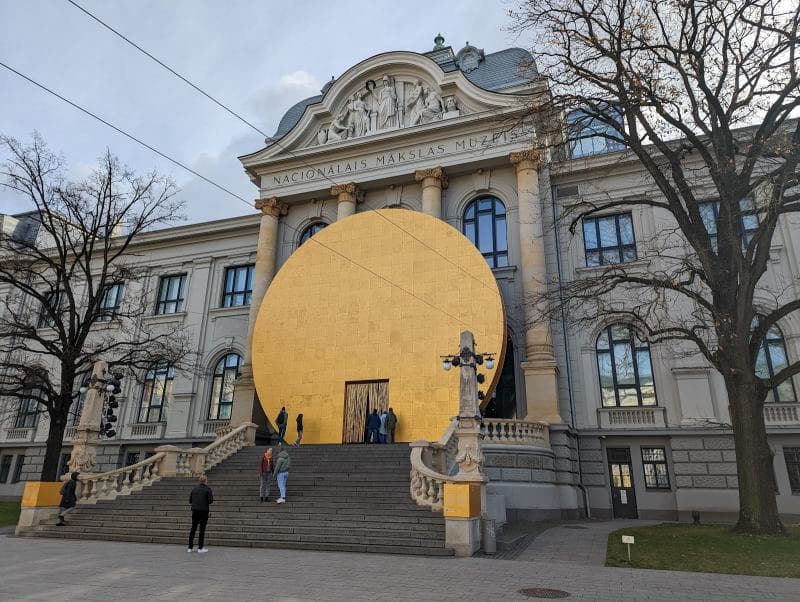
Explore the Historic Staircase within the Latvian National Museum Of Art in Riga, Latvia. Discover its Art Nouveau details and rich history.
Overview
Stepping into the Latvian National Museum Of Art in Riga is an experience that begins long before you reach the exhibition halls, largely thanks to its magnificent Historic Staircase. This grand architectural feature serves not only as a functional passage but also as a breathtaking introduction to the museum's artistic and historical depth. Designed by the renowned Baltic German architect Wilhelm Neumann, the museum building itself, completed between 1903 and 1905, was the first in the Baltics purpose-built for an art museum. The Historic Staircase is an integral part of this landmark structure, inviting visitors to ascend through layers of history and art.
Its monumental presence and intricate details set the tone for the masterpieces housed within. The staircase is a prime example of the historicist style blended with Art Nouveau elements that characterize the museum's interior, offering a silent narrative of early 20th-century architectural grandeur in Riga. As you walk its steps, you're tracing the path of countless visitors who have sought inspiration and beauty in this cultural institution for over a century.
History & Cultural Background
The Latvian National Museum Of Art stands as a testament to Riga's rich cultural aspirations at the turn of the 20th century. Conceived as a dedicated space for showcasing art, its construction between 1903 and 1905 marked a significant milestone in Baltic cultural history. Wilhelm Neumann, the architect, also served as the museum's first director, imbuing the design with a deep understanding of museological needs and aesthetic vision.
The Historic Staircase emerged from this vision, reflecting the architectural trends of the period. Its design combines Baroque forms typical of the historicist style with the curvilinear ornamentation characteristic of Art Nouveau, which was highly influential in Riga. This blend of styles is particularly evident in the intricate banister ornamentation and the overall majestic feel of the staircase. It was not merely a functional element but a statement of the museum's prestige and its role as a 'temple of all Muses,' as Neumann envisioned it.
Over its long history, the museum, and by extension its Historic Staircase, has witnessed significant events, including a major reconstruction and renovation between 2010 and 2015. While this extensive project modernized the museum's infrastructure and doubled its size, the core historic elements, including the main marble stairs, were carefully preserved, maintaining their original monumental image. This commitment to heritage ensures that the staircase continues to connect past and present, literally and figuratively.
What Makes It Special
The Historic Staircase's enduring allure lies in its remarkable blend of artistic design, robust construction, and symbolic significance. Crafted from majestic marble, its monumental form has remained largely unchanged for over a century, a silent sentinel to the passage of time and art. The elegance of its design is underscored by the Art Nouveau elements subtly integrated into its banister and surrounding vestibule. These delicate, flowing forms contrast beautifully with the staircase's overall classical grandeur, creating a unique visual harmony.
Beyond aesthetics, the staircase embodies Neumann's meticulous attention to detail. He envisioned the museum as a sacred space for art, and every element, down to the intricate railing decorations, was carefully considered to contribute to this grand narrative. It is a physical manifestation of the architect's dedication to creating a building that was both functional and deeply inspirational.
Furthermore, the staircase is more than just a path; it is a transition zone that prepares the visitor for the artistic journey ahead. Its upward sweep draws the eye and the spirit, creating an anticipation for the art collections housed on the upper floors. This thoughtful design makes the ascent itself part of the museum experience, setting a reverent mood before encountering the artworks.
Stories, Fun Facts & Local Details
One fascinating detail about the Historic Staircase is the architect Wilhelm Neumann's personal connection to his creation. As the museum's first director, he not only designed the building but also oversaw its initial years, ensuring his vision was brought to life and maintained. His dedication was so profound that sketches for details, like the staircase railings, were found on various pieces of paper, even the back of an envelope, underscoring his relentless pursuit of perfection. This level of personal investment from the creator gives the staircase an almost palpable sense of artistic integrity.
The staircase also serves as a subtle historical marker. Its untouched monumental image for over a century means that generations of Riga's residents and visitors have walked these very steps, from the city's early 20th-century cultural elite to contemporary art enthusiasts. It has stood through various political and social changes, yet its aesthetic remains a constant, connecting the present-day museum-goer to the past.
During the extensive reconstruction completed in 2016, while new modern elements were introduced elsewhere in the museum, the main Historic Staircase retained its original charm, a testament to its protected status as a national architectural monument. This dedication to preserving authenticity allows visitors to experience the museum almost as it was first intended, with the original staircase remaining a central, iconic feature.
Visitor Perspective
For visitors to the Latvian National Museum Of Art, the Historic Staircase is often one of the first and most lasting impressions. Upon entering, its grand scale immediately commands attention, guiding the eye upwards and inviting exploration. The sense of walking through history is palpable; the polished marble and ornate details whisper stories of a bygone era, seamlessly blending the journey to the art with the art of the architecture itself.
Many find themselves pausing on the landings, not just to catch their breath, but to admire the intricate Art Nouveau motifs on the banisters and to take in the vastness of the entrance hall. The play of natural light through the high windows often illuminates the staircase, highlighting its textures and creating a dramatic atmosphere. It offers a moment of contemplation before diving into the diverse collections of Latvian art. For photographers, it's a popular subject, capturing the elegant curves and historical grandeur. Even after extensive renovations that added modern sections to the museum, the Historic Staircase proudly remains a central, revered pathway, grounding the contemporary experience in the museum's rich historical foundation.
Coordinates: 24.113123, 56.955775
View on Google Maps💬 How Travelers Describe This Place
Based on community votes
Must See
951Beautiful
491Unique
414Photogenic
310Interesting
277
Traveler Stories
Discover memorable experiences shared by travelers who have visited this place.
No traveler stories yet.
Be the first traveler to share what made this place memorable.

Tour
By
Spot
Discover amazing places around the world. Your journey starts here.
Explore
© 2026 TourBySpot. All rights reserved.