Historic Inscriptions
Podgorica, Montenegro
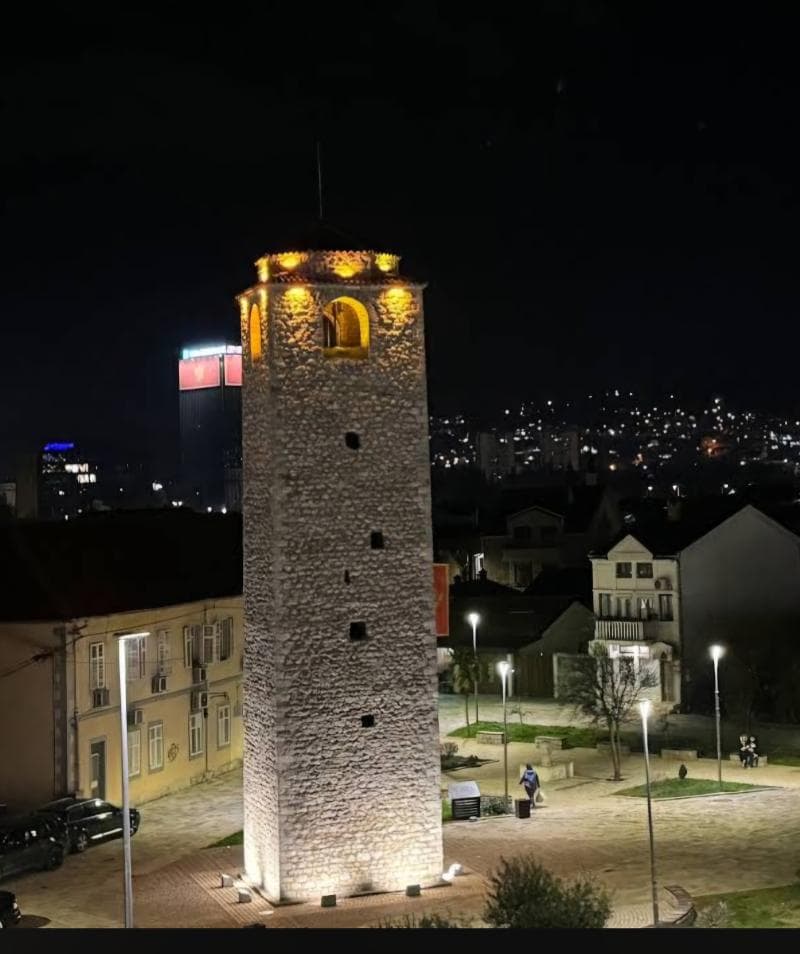
Explore the historic inscriptions of Podgorica's Clock Tower (Sahat Kula) in Montenegro. Discover its Ottoman origins, cultural significance, and enduring history.
Overview
In the heart of Podgorica's Old Town, known as Stara Varoš, stands the Sahat Kula, or Clock Tower – a remarkable structure that serves as a living chronicle of Montenegro's capital. While you won't find traditional 'historic inscriptions' in the form of detailed carved texts, the tower itself is a profound inscription of history, with its very fabric telling tales of Ottoman rule, cultural shifts, and enduring resilience. Built in the 17th century, it is one of the few Ottoman landmarks that miraculously survived the extensive bombings of World War II, making it an invaluable testament to the city's past. Visiting the Clock Tower means stepping into a narrative woven from stone, time, and the intertwined destinies of various civilizations that shaped Podgorica. It stands as a silent guide, offering insights into the daily lives, beliefs, and architectural heritage of generations past.
History & Cultural Background
The Sahat Kula was erected in 1667 by Hadži-paša Osmanagić, a prominent local figure during the Ottoman period, solidifying its place as a central feature of Podgorica's urban landscape. For centuries, this 19-meter tall stone tower wasn't just a landmark; it was the city's sole public timepiece, dictating the rhythm of daily life. Its chimes marked prayer times, regulated market activities, and signaled working hours, effectively becoming the pulse of the bustling Old Town. The tower's construction reflects the strong Ottoman influence that shaped Podgorica for nearly four centuries, evident in the architectural style that distinguishes Stara Varoš from the newer parts of the city. Its enduring presence through turbulent times, particularly its survival during the devastating World War II bombardments, underscores its robust construction and profound historical value, making it a powerful symbol of continuity in a city that has seen much change.
What Makes It Special
What truly 'inscribes' the Clock Tower's unique story are the symbolic layers added over time. Originally built under Ottoman rule, a significant addition in 1890 tells another chapter: a metal cross was meticulously placed atop the tower. This cross, crafted by Stevan Radović, served as a powerful symbol of the transition of Podgorica from Ottoman to Montenegrin (and Christian) governance. It represents a cultural fusion, an architectural dialogue between different eras and belief systems. The clock mechanism itself holds a fascinating narrative; while the original mechanism was replaced during a 2012 renovation with a new digital one for continued functionality, the 1890 mechanism, made by Pietro Colbachini foundry in Italy, is recognized for its historical significance. Local legends even suggest the original clock was brought from Italy, adding an air of mystery to its origins. Today, the Sahat Kula is recognized as an important cultural monument of Montenegro, protected by law, ensuring its historical 'inscriptions' are preserved for future generations.
Stories, Fun Facts & Local Details
Beyond its official history, the Clock Tower is steeped in local lore and played an intimate role in the lives of Podgorica's inhabitants. Imagine a time when there were no personal watches or phones; the booming chimes from Sahat Kula were the communal heartbeat, uniting the city in its daily routines. Local tradition suggests that its builder, Hadži-paša Osmanagić, not only constructed the tower but also built a bridge at the confluence of the Ribnica and Morača rivers and even paved the streets of Stara Varoš with river pebbles. The tower was once the tallest structure in Podgorica, making it an undeniable focal point for navigation and gathering. Even today, locals refer to it as a central point, a place of orientation within the city. Its ability to withstand numerous conflicts, including the intense bombardments of WWII that flattened much of the city, has earned it a revered status as a symbol of Podgorica's enduring spirit and resilience. It's a structure that has truly seen it all, and its very existence is a testament to the city's layered past.
Visitor Perspective
For the curious traveler, a visit to the Historic Inscriptions of the Clock Tower offers more than just a glimpse of an old building; it's an immersive journey into Podgorica's soul. Located in the charming, narrow, winding streets of Stara Varoš, the tower stands proudly in Bećir Beg Osmanagić Square, surrounded by authentic Ottoman-era architecture and traditional cafes. While access inside the tower itself might be restricted, its exterior alone provides ample historical narrative. Observe the stone facade that has weathered centuries, the distinct style reflecting its Ottoman origins, and the metal cross at its peak, symbolizing a significant turning point in Montenegrin history. Standing before the Sahat Kula, one can feel the echoes of time, envisioning a bygone era when its chimes governed life. It serves as a perfect starting point for exploring the Old Town, connecting visitors to a rich cultural tapestry and offering a meaningful pause for reflection on the city's complex and fascinating journey.
Coordinates: 19.260014, 42.435557
View on Google Maps💬 How Travelers Describe This Place
Based on community votes
Photogenic
703Unique
521Must See
477Beautiful
157Interesting
28
Traveler Stories
Discover memorable experiences shared by travelers who have visited this place.
No traveler stories yet.
Be the first traveler to share what made this place memorable.

Tour
By
Spot
Discover amazing places around the world. Your journey starts here.
Explore
© 2026 TourBySpot. All rights reserved.