Historic Cannons
Bergen, Norway
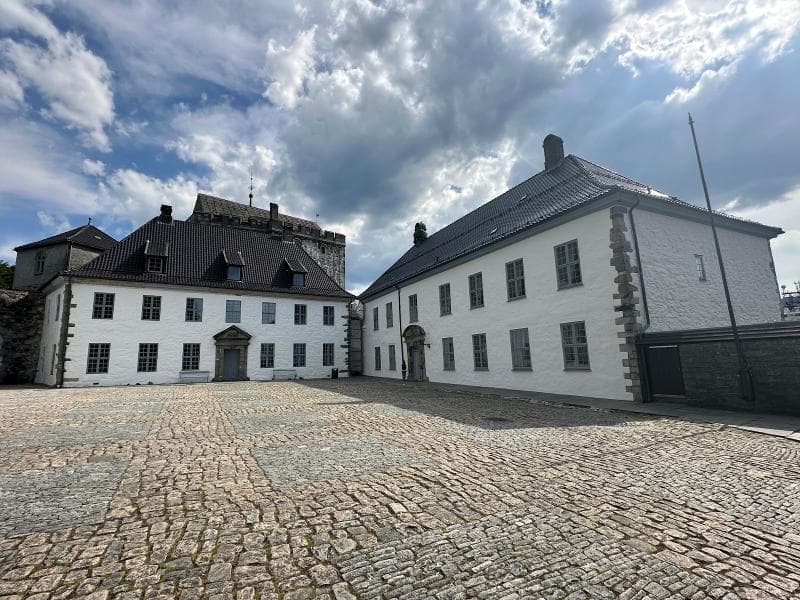
Explore the Historic Cannons of Bergenhus Fortress in Bergen, Norway, and delve into centuries of military history, strategic defense, and captivating tales.
Overview
Perched majestically at the entrance to Bergen's historic harbor, Bergenhus Fortress is more than just a collection of ancient buildings; it is a sprawling open-air museum where history truly comes alive. Among its most compelling features are the Historic Cannons, silent sentinels that have guarded Norway's coastal waters for centuries. These formidable weapons, strategically positioned throughout the fortress grounds, offer a tangible link to Bergen's military past and its vital role in Nordic history. They tell tales of defense, diplomacy, and the city's unwavering resilience through changing eras.
The cannons are not merely static displays; they are integral to understanding the fortress's original purpose and its evolution as a strategic stronghold. From powerful coastal artillery designed to deter naval invasions to smaller, more agile pieces, each cannon has a story. Their presence underscores the fortress's significance as one of Norway's oldest and best-preserved fortifications, actively used by the military to this day, and a cherished national cultural heritage site.
History & Cultural Background
The foundations of Bergenhus Fortress date back as far as the 11th century, with significant construction commencing in the 13th century when Bergen served as Norway's capital. Over centuries, it transformed from a royal residence to a pivotal military base and defensive stronghold. The integration of artillery, particularly cannons, became crucial for its defensive capabilities, especially from the early 1500s onwards.
The fortress was continually reinforced throughout the 17th century, reaching its most complete state around 1700. This period saw the strategic placement of numerous cannons, primarily aimed at protecting Bergen's busy harbor, Vågen, which was the city's economic gateway. The cannons were essential in warding off potential naval attacks, ensuring the safety of incoming and outgoing merchant ships, and asserting Norwegian sovereignty over these vital trade routes. Their presence also symbolized the power and authority emanating from the royal and military seat.
What Makes It Special
What sets the Historic Cannons of Bergenhus Fortress apart is their authentic historical context and commanding presence. Unlike many museum pieces removed from their original settings, these cannons remain in their operational positions, offering a vivid sense of their former purpose. They stand ready, facing the sea, just as they would have centuries ago, creating an immediate and powerful connection to the past.
The collection showcases a range of artillery, highlighting the technological advancements in warfare over time. One notable example is the 'Half-Pound Falconet', forged around 1550. This early modern artillery piece, measuring 8 feet 8 inches long, was a muzzle-loading design operated by a four-person crew, and played a significant role in coastal defense. Another intriguing piece is the 1-pound 'Amusett' cannon, cast in 1791. Despite its small size—just 117 cm long—it was a powerful and mobile infantry support cannon, capable of firing cannonballs over 1000 meters.
Their strategic placement not only provided defense but also allowed for oversight of the bustling Bryggen wharf, a hub of Hanseatic merchant activity. This dual role of protection and assertion of control over trade made the cannons central to Bergen's maritime identity.
Stories, Fun Facts & Local Details
The cannons are central to one of the most dramatic events in Bergen's history: the Battle of Vågen on August 2, 1665. During this naval skirmish, a Dutch merchant fleet sought refuge in the neutral harbor while English warships pursued them. Due to miscommunication and delayed orders, the Norwegian commandant at Bergenhus treated the English attack as a breach of neutrality and ordered the fortress's cannons to fire upon the English fleet. Despite being outmatched in numbers, the fierce resistance from the fortress's guns and the Dutch ships ultimately forced the English to retreat. This 'accidental' defense of the Dutch showcased the cannons' formidable power and the quick decision-making of the local commander.
A more contemporary and celebratory detail is the tradition of cannon salutes. Bergenhus Fortress is one of Norway's military installations that performs synchronized celebratory cannon fire on special national occasions, such as royal birthdays. This tradition connects the fortress's historic military role with modern-day national pride, turning the ancient weapons into instruments of joy and ceremony.
The historic cannons also offer a subtle lesson in diplomacy and economic power. In earlier times, some of the fort's cannons were pointed directly at Bryggen, the German-owned and operated Hanseatic wharf. This was a clear message, signaling Norway's control over the wealth generated by the powerful Hanseatic merchants in Bergen.
Visitor Perspective
For a curious traveler, exploring the Historic Cannons at Bergenhus Fortress is a deeply immersive experience. The fortress grounds are largely open to the public, offering free access to wander among these historical artifacts. Walking along the ramparts and pathways, visitors can appreciate the strategic vantage points from which these cannons protected Bergen. The sheer scale and presence of the artillery evoke a sense of the formidable defenses once in place.
Imagine the roar of the cannons during the Battle of Vågen, or the focused effort of the four-person crew operating a falconet. Observing these relics allows you to visualize critical moments in history and understand the human effort behind maintaining such a vital defensive position. The cannons serve as powerful reminders of Bergen's enduring heritage and its pivotal role in shaping Norwegian identity, inviting visitors to reflect on centuries of military vigilance and cultural significance. It is a walk through time, offering profound insights into a pivotal piece of Norway's past.
Coordinates: 5.31789, 60.39938
View on Google Maps💬 How Travelers Describe This Place
Based on community votes
Must See
826Photogenic
494Beautiful
242Interesting
125Unique
82
Traveler Stories
Discover memorable experiences shared by travelers who have visited this place.
No traveler stories yet.
Be the first traveler to share what made this place memorable.

Tour
By
Spot
Discover amazing places around the world. Your journey starts here.
Explore
© 2026 TourBySpot. All rights reserved.