Historic Buildings
Odessa, Ukraine
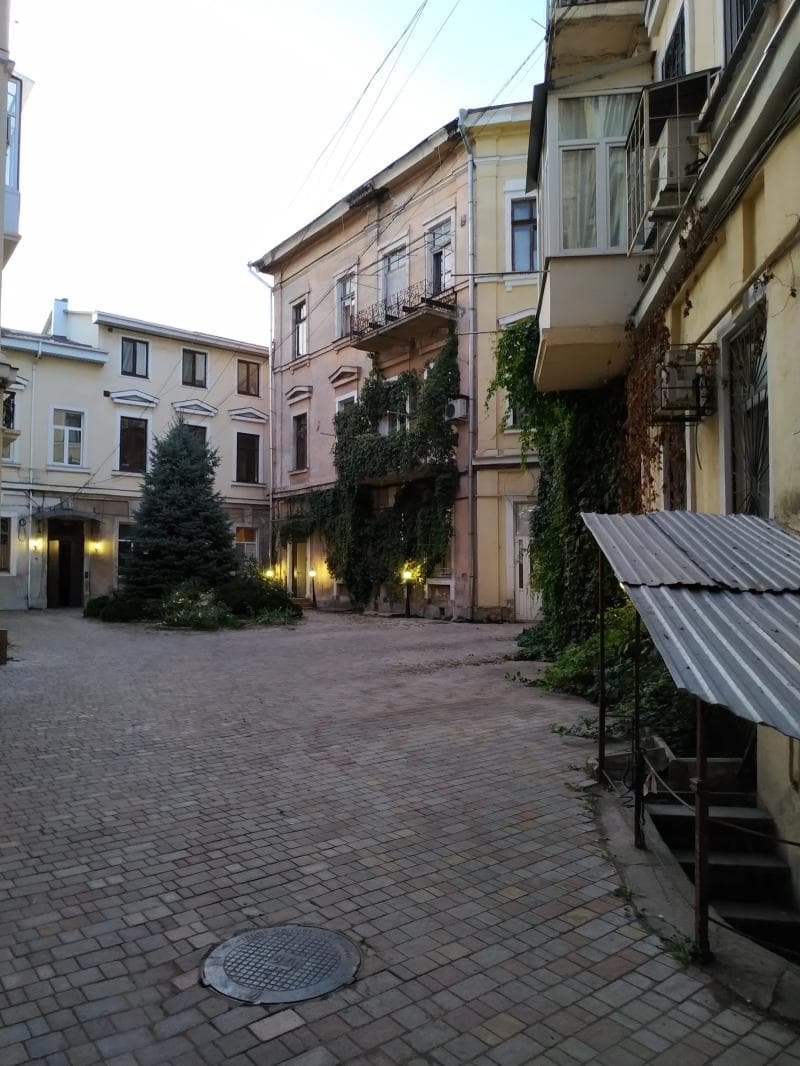
Explore the historic buildings of Deribasivska Street in Odessa, Ukraine. Discover 19th-century architecture, fascinating stories, and cultural gems.
Overview
Deribasivska Street, nestled in the vibrant heart of Odessa, Ukraine, stands as a cherished symbol of the city's rich history and enduring charm. This pedestrian-only thoroughfare is celebrated for its beautifully preserved historic buildings, offering a delightful journey through time for every visitor. It's more than just a street; it's a living museum, where each facade tells a story of Odessa's past as a cosmopolitan port city. The street invites leisurely strolls, encouraging travelers to soak in the unique atmosphere created by its architectural grandeur and lively local culture.
History & Cultural Background
The history of Deribasivska Street dates back almost to the very foundation of Odessa itself, established around the early 19th century. Originally named Himnazska after a commercial gymnasium opened in 1804, it was later renamed in 1811 to honor Jose de Ribas, the city's first mayor and one of its founders. Over its long history, the street saw various name changes during different political eras, including Lassalle and Chkalov, before its original, cherished name of Deribasivska was restored in 1941. The street's buildings predominantly showcase 19th-century architectural styles, reflecting the diverse influences and prosperous trade that shaped Odessa during its formative years. A unique historical detail is its paving: parts of the street were laid with granite and stones from Mount Vesuvius, imported from Naples by Jose de Ribas himself, a testament to the city's deep international connections from its earliest days. This resilient paving has survived to the present day.
What Makes It Special
What truly sets the historic buildings of Deribasivska Street apart is their intricate blend of architectural styles, primarily from the 19th century, which collectively paint a vivid picture of Odessa's grand past. Among these, the elegant shopping arcade and hotel complex known as the Odessa Passage stands out. Built in a baroque-eclectic style in 1899, its facade is adorned with decorative figures and its interior boasts beautiful sculptures of gods and mythical characters, visible from its upper floors. This structure, once owned by the House of Fabergé, remains one of Odessa's most beautiful architectural monuments. The street's proximity to the Odessa City Garden, established in 1803 by the de Ribas family, further enhances its special character. This first public green space in the city offers a tranquil contrast to the bustling street, featuring old trees, a singing fountain, and various monuments.
Stories, Fun Facts & Local Details
Deribasivska Street is steeped in stories and fascinating details. Many well-known historical, cultural, and scientific figures visited, lived, or passed through its buildings. For instance, the renowned poet A.S. Pushkin worked in the office of the Governor-General at Deribasivska 24 for two years. The world-famous artist V.V. Kandinsky also lived for many years in a house opposite the former Volsey Lyceum. In the adjacent City Garden, visitors can find whimsical monuments, including a chair commemorating the famous novel 'The Twelve Chairs' by Odesan authors Ilf and Petrov, and sculptures dedicated to famous local figures like Leonid Utyosov and Sergei Utochkin. The street is also a focal point for the annual Humorina procession every April, drawing thousands of onlookers and participants in funny costumes, reflecting Odessa's lighthearted spirit.
Visitor Perspective
Strolling along Deribasivska Street offers a truly immersive experience. As a pedestrian zone, it invites unhurried exploration, allowing travelers to fully appreciate the architectural details and historical weight of its buildings. The street is lined with numerous cafes, restaurants, and shops, providing ample opportunities to pause, observe local life, and enjoy the city's vibrant atmosphere. The historic facades, the unique Vesuvius lava paving, and the welcoming presence of the City Garden combine to create an ambiance that is both grand and intimate. It's a place where the past feels tangible, and every turn reveals another glimpse into Odessa's rich heritage, making it an essential starting point for understanding the soul of this captivating Ukrainian city.
Coordinates: 30.73444, 46.48444
View on Google Maps💬 How Travelers Describe This Place
Based on community votes
Must See
965Interesting
743Photogenic
719Beautiful
629Unique
176
Traveler Stories
Discover memorable experiences shared by travelers who have visited this place.
No traveler stories yet.
Be the first traveler to share what made this place memorable.

Tour
By
Spot
Discover amazing places around the world. Your journey starts here.
Explore
© 2026 TourBySpot. All rights reserved.