Historic Bridges
Bucharest, Romania
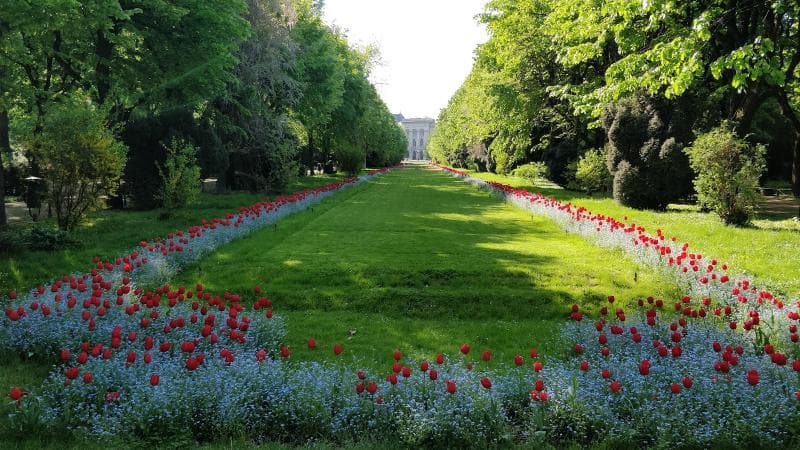
Discover the historic bridges of Cișmigiu Gardens in Bucharest, Romania. Explore their charm, history, and role in this iconic city park's landscape.
Overview
Nestled in the bustling heart of Bucharest, Romania, the Cișmigiu Gardens offer a tranquil escape, and among its many enchanting features are the historic bridges that gracefully span its waterways and winding paths. As the oldest public garden in the Romanian capital, Cișmigiu is a masterpiece of landscape design, featuring a harmonious blend of natural beauty and thoughtful architectural elements. These bridges, though often serving a practical purpose, are integral to the park's romantic aesthetic, inviting visitors to pause and admire the picturesque scenery they frame.
The gardens themselves cover an expansive area, ranging from 14.6 to 17 hectares, providing a green oasis beloved by locals and tourists alike. The historic bridges within Cișmigiu are more than just crossings; they are viewpoints, photo opportunities, and quiet spots that enhance the garden's timeless charm. They connect different sections of the park, allowing for a continuous flow of exploration through its varied landscapes, from the central artificial lake to the tree-lined avenues.
History & Cultural Background
The story of Cișmigiu Gardens, and by extension its historic bridges, begins in the mid-19th century. What was once a marshy terrain and a fishing spot known as 'Lake of Dura the merchant' or 'Balta lui Dura neguțătorul', was transformed into a magnificent public garden. The visionary behind this transformation was Austrian landscape architect Carl Friedrich Wilhelm Meyer, who began his work in the 1840s. He, along with his team, created an English-style romantic garden, planting over 30,000 trees and plants from various Romanian regions and botanical gardens in Vienna and Brașov.
The gardens were officially inaugurated between 1847 and 1854, with public access beginning in March 1860. Friedrich Rebhuhn further redesigned the park starting in 1910, giving it much of its present-day appearance. The construction of artificial grottoes, floral carpets, and the very bridges that adorn the park today were part of these beautification efforts. The name 'Cișmigiu' itself is rooted in history, derived from the Turkish word 'ceșme' for public fountain, and 'cișmigiu' being the person responsible for building and maintaining them, with the park's administrator living on the grounds in the past.
What Makes It Special
The historic bridges of Cișmigiu Gardens stand out not for their monumental scale, but for their seamless integration into the romantic landscape design. They are often described as 'charming' and 'elegant,' contributing to the overall picturesque quality of the park. These structures, whether made of stone or featuring organic designs resembling natural elements, embody the English garden style, where architecture blends harmoniously with nature.
They provide vital connections across the large artificial lake and smaller waterways, allowing visitors to explore every corner of the park. Beyond their functional role, these bridges are favored spots for photography, offering captivating views of the lake, the surrounding foliage, and other key features like the Writers' Rotunda and various monuments. They represent a thoughtful design philosophy, where every element contributes to a serene and aesthetically pleasing environment.
Stories, Fun Facts & Local Details
The bridges within Cișmigiu Gardens are silent witnesses to generations of Bucharest residents' lives. They have observed countless leisurely strolls, romantic encounters, and quiet moments of reflection. During the warm months, visitors can rent boats and paddle under these very bridges, experiencing the park from a different perspective. In winter, when the lake freezes over, it transforms into a popular ice-skating rink, and the bridges take on a magical, snow-dusted appearance.
The park itself has inspired Romanian literary traditions for over a century, appearing in numerous iconic novels and poems, suggesting that its bridges, as key visual elements, have likely featured in these artistic representations. The careful design, including the bridges, may even assimilate the golden ratio, contributing to the park's serene and visually pleasing atmosphere, a subtle detail that adds to their understated beauty. They are a testament to the enduring appeal of the gardens as a place of culture, history, and natural solace.
Visitor Perspective
From a visitor's perspective, the historic bridges in Cișmigiu Gardens are much more than mere crossings. They are integral parts of an immersive experience, inviting exploration and contemplation. Walking across them offers changing vistas of the park's meticulously maintained landscapes, including blooming flowerbeds in spring and vibrant autumn colors. They encourage a slower pace, prompting visitors to soak in the atmosphere and appreciate the intricate details of the garden's design.
The bridges serve as perfect backdrops for capturing memories, and their classic, understated elegance complements the surrounding natural beauty. Whether seeking a peaceful stroll, a romantic setting, or simply a moment of respite from urban life, the bridges of Cișmigiu Gardens contribute significantly to the park's reputation as a cherished green escape in the heart of Bucharest.
Coordinates: 26.090919325072758, 44.43693420632424
View on Google Maps💬 How Travelers Describe This Place
Based on community votes
Must See
491Photogenic
443Beautiful
414Interesting
310Unique
277
Traveler Stories
Discover memorable experiences shared by travelers who have visited this place.
No traveler stories yet.
Be the first traveler to share what made this place memorable.

Tour
By
Spot
Discover amazing places around the world. Your journey starts here.
Explore
© 2026 TourBySpot. All rights reserved.