Hirschenplatz
Lucerne, Switzerland
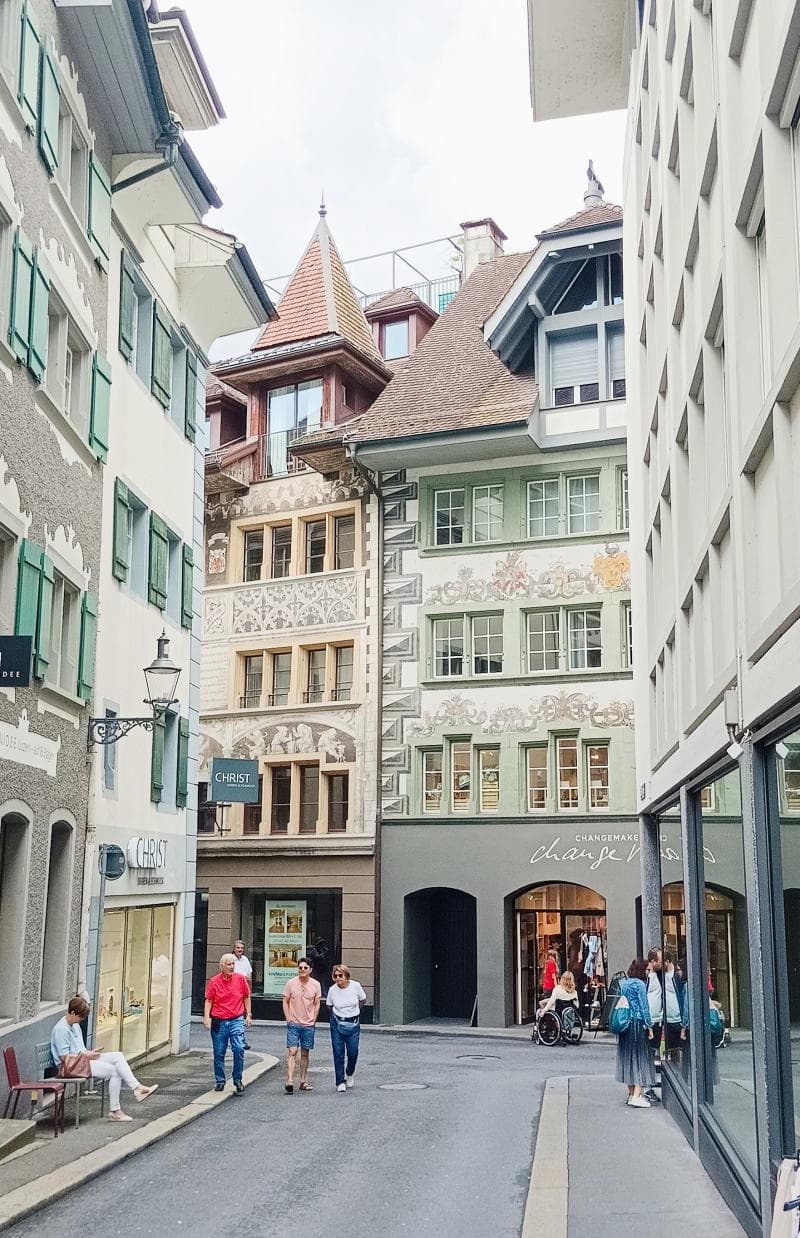
Discover Hirschenplatz, a historic and charming square in Lucerne's Altstadt, Switzerland. Explore painted facades, rich history, and local stories.
Overview
Tucked within the enchanting Altstadt (Old Town) of Lucerne, Switzerland, Hirschenplatz emerges as a captivating and historically rich square. This charming pedestrian zone invites travelers to step back in time, offering a tranquil escape amidst beautifully preserved historic buildings adorned with vibrant frescoes and intricate facades. Unlike some of the city's more bustling areas, Hirschenplatz provides a more authentically local atmosphere, perfect for a leisurely stroll or a quiet moment of reflection at a nearby cafe. Its central location, just a short walk from Lucerne's main train station and adjacent to the Kornmarkt and town hall, makes it an easily accessible and essential stop for anyone exploring the city's old-world charm.
History & Cultural Background
The very name 'Hirschenplatz,' which translates to 'Stag Square,' hints at its rich past. It derives from the venerable 'Zum Hirschen' inn, or 'Hotel of the Deer,' a significant medieval lodging house that stood on this spot for centuries. Interestingly, before its association with the majestic stag, this square once served a much different, more humble purpose as Lucerne's pig market. In medieval times, Hirschenplatz buzzed as a vibrant commercial hub, a thoroughfare for merchants, skilled craftsmen, and weary travelers alike. The architectural tapestry around the square, with its traditional houses featuring ornate and often painted facades, is not merely decorative; these structures are carefully protected as historical monuments, each telling a piece of Lucerne's story. The widespread tradition of adorning buildings with murals across Europe meant that these painted narratives often honored patron saints, celebrated pivotal historical events, or simply served to distinguish one prominent house from another in an era before clear street numbering systems.
What Makes It Special
The true magic of Hirschenplatz lies in its storytelling facades. These meticulously painted murals, known as frescoes, are far more than mere decoration; they are open-air canvases that narrate Lucerne's heritage. Visitors can admire one particularly striking neo-Gothic building featuring a vivid mural depicting the Battle of Dornach from 1499. This significant victory for the Swiss led to the Treaty of Basel, a pivotal moment that recognized the autonomy of the Swiss cantons. Nearby, another building that once housed a jewelry shop captures attention with its elegant paintings of cherubs delicately holding rings. Intriguingly, one of these rings prominently features a tiny skull, inviting contemplation and sparking local debate about its mysterious meaning – perhaps a poignant symbol of 'till death do us part' or a more enigmatic secret. Adding to the square's allure is a charming fountain, often referred to as the 'Little Goose-Man Fountain,' complete with a sculpture of a young man accompanied by geese, a delightful detail that captures the imagination. Hirschenplatz's blend of preserved history, artistic expression, and a quieter ambiance distinguishes it as a genuine hidden gem within Lucerne's Altstadt.
Stories, Fun Facts & Local Details
One of the most captivating mysteries of Hirschenplatz revolves around the small skull depicted on the jeweler's mural. Locals and guides often pose the question of its meaning to visitors, leaving the interpretation open-ended. Is it a romantic declaration of enduring love, or does it hold a deeper, perhaps more macabre, significance from centuries past? Historical accounts also suggest that the renowned German writer Johann Wolfgang von Goethe may have lodged in a guild hall near Hirschenplatz during his travels through Lucerne en route to Italy. The diverse functions of the murals themselves offer a fascinating glimpse into medieval life; they served not only as artistic embellishments but also as public announcements, thanking community protectors, commemorating important battles, or acting as early forms of advertisement for businesses within the square. The square is conveniently situated between the narrow lanes of Weggisgasse and Rössligasse, placing it squarely within Lucerne's vibrant shopping district, yet retaining its serene charm.
Visitor Perspective
Hirschenplatz consistently earns praise from visitors for its delightful and welcoming atmosphere. It is widely considered a perfect spot for those who enjoy leisurely walks, offering a chance to immerse oneself in the authentic local culture without the overwhelming crowds found in other tourist hotspots. The square's quaint cafes provide an ideal setting to relax with a coffee, observe the rhythm of daily life, and simply soak in the historic surroundings. Its proximity to numerous shops, restaurants, and even a Pilatus Tourism Office further enhances its appeal, making it a convenient and enriching stop on any Lucerne itinerary. Many describe it as a 'must-see' for anyone wishing to truly experience the unique character and rich history of Lucerne's Old Town.
Coordinates: 8.30518, 47.05238
View on Google Maps💬 How Travelers Describe This Place
Based on community votes
Must See
951Beautiful
491Unique
414Photogenic
310Interesting
277
Traveler Stories
Discover memorable experiences shared by travelers who have visited this place.
No traveler stories yet.
Be the first traveler to share what made this place memorable.

Tour
By
Spot
Discover amazing places around the world. Your journey starts here.
Explore
© 2026 TourBySpot. All rights reserved.