Hijazi Architecture Hall
Mecca, Saudi Arabia
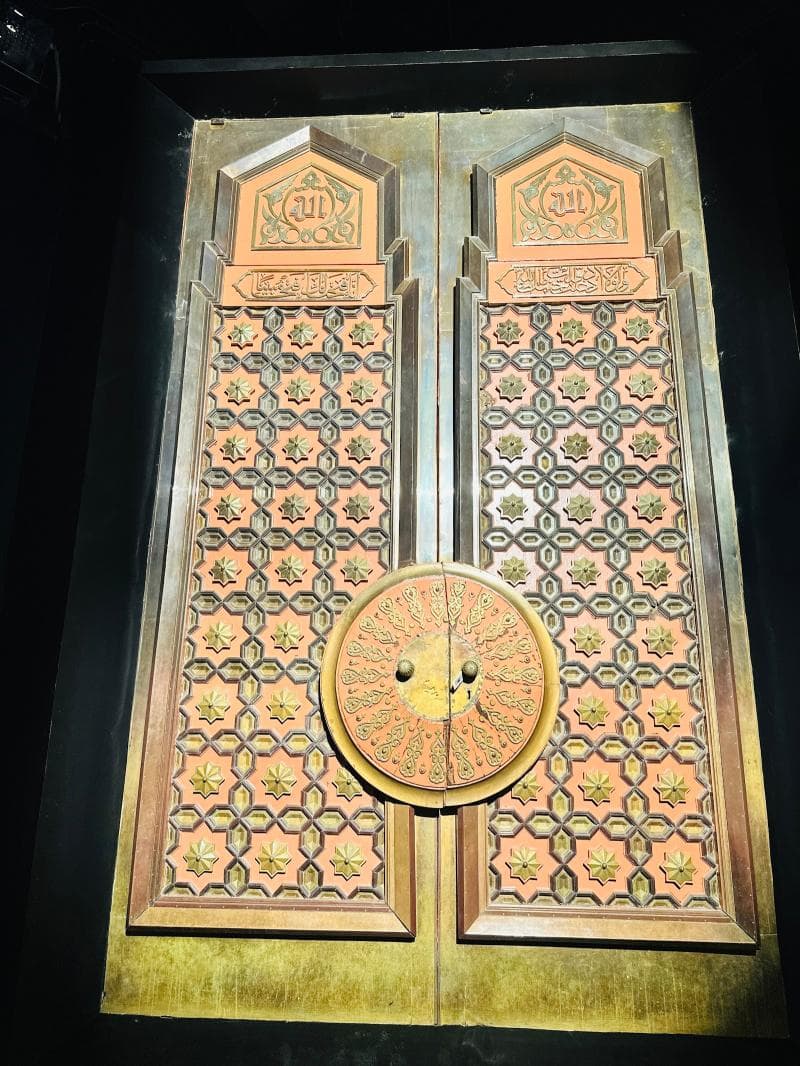

Explore Hijazi architecture at Makkah Museum (Al-Zaher Palace) in Mecca, Saudi Arabia. Discover its unique design, history, and cultural significance.
Overview
Stepping into the Makkah Museum, housed within the magnificent Al-Zaher Palace, offers a unique opportunity to immerse oneself in the rich tapestry of Makkah's history and its profound Islamic heritage. While you won't find a single hall explicitly named 'Hijazi Architecture Hall', the entire experience within this grand palace serves as a living testament to the distinctive Hijazi architectural style. The palace itself, a stunning example of early 20th-century Islamic design, showcases many of the characteristics that define this regional aesthetic. Here, through the very fabric of the building and its thoughtfully curated exhibits, visitors embark on a journey to understand the artistry, practicality, and cultural significance of Hijazi architecture in the heart of Mecca, Saudi Arabia.
This museum acts as a custodian of Makkah's past, providing a serene environment to explore centuries of development, from ancient times to the modern era. It bridges the past and present, offering insights into the city's unique role in Islamic civilization and its enduring legacy. The experience is designed to be both informative and evocative, drawing a clear picture of how architectural forms evolved in harmony with the local environment and cultural values.
History & Cultural Background
The story of the Makkah Museum begins with its impressive setting: the Al-Zaher Palace. Constructed in 1944, this palace initially served as a royal residence for King Abdul Aziz, hosting dignitaries and pilgrims from across the Islamic world. Its transformation into a museum has preserved its historical grandeur, allowing guests to appreciate its original architectural splendor while exploring the exhibits it now houses.
Hijazi architecture, deeply rooted in the Hijaz region—which includes the holy cities of Makkah and Madinah—is far more than just a building style; it is a profound reflection of Islamic history and culture. Its evolution was a direct response to the region's unique environmental challenges and societal needs during the early Islamic period. This vernacular style emerged from a fusion of practicality, cultural identity, and available local materials, shaping the distinctive urban landscapes of these sacred cities.
What Makes It Special
The beauty of Hijazi architecture lies in its clever adaptation to the arid desert climate and its intricate design philosophy. A visit to the Makkah Museum allows one to appreciate these defining features firsthand. The palace itself embodies many of these characteristics, with its robust carved stone and elegant Islamic architectural style, visible in both its exterior and internal layouts.
Key elements that define this architectural style include the use of local materials such as stone, clay, and wood, which reflect the natural landscape and ensure durability in harsh conditions. Whitewashed walls often adorned with intricate geometric patterns and calligraphy are common, showcasing artistic expression deeply intertwined with faith. Perhaps most iconic are the 'Rawasheen' (Roshan windows) and 'Mashrabiyas'. These elaborate, projecting wooden window frames with lattice screens are not merely decorative; they are ingeniously designed to maximize natural light and airflow, provide privacy, and offer relief from the scorching heat. Courtyards serve as tranquil havens within structures, offering privacy and natural cooling, while wind towers were historically employed to channel refreshing breezes into living spaces. These features collectively create a unique fusion of form, function, and cultural significance, offering a tangible link to the past.
Stories, Fun Facts & Local Details
Beyond their aesthetic appeal, Hijazi architectural elements tell stories of ingenuity and a deep understanding of environment and community. The Rawasheen, for instance, were more than just windows; they were vantage points for mothers to observe their children playing in the streets while maintaining strict privacy within the home. The timber used in their construction, often sourced from distant lands like India, Indonesia, and Sudan, was chosen not only for its beauty but also for its poor thermal conductivity, helping to keep interiors cool.
The emphasis on courtyards and natural ventilation systems highlights an early form of sustainable design, crucial for comfort in Mecca's climate. This thoughtful integration of design with daily life meant that houses were not just shelters but intricately crafted ecosystems, promoting comfort, privacy, and community interaction. The enduring presence of these architectural elements in the museum, whether as part of the palace's structure or in models and artifacts, speaks volumes about the enduring heritage and the meticulous craftsmanship of past generations.
Visitor Perspective
For any curious traveler, exploring the Makkah Museum and its embodiment of Hijazi architecture is an enriching experience. It offers a tangible connection to the historical and cultural narrative of Mecca, extending beyond its spiritual significance. As you wander through the stone-carved halls and observe the intricate wooden details of Al-Zaher Palace, you'll gain a deeper appreciation for the architectural wisdom that shaped this sacred city. The exhibits, which often include displays related to the architecture of the Holy Mosques and Makkah's historical buildings, complement this immersive experience.
This is a place where every arch, every patterned wall, and every historical artifact contributes to a vivid picture of a culture that skillfully blended art, engineering, and devotion. It allows visitors to step back in time, imagine life in historic Makkah, and appreciate the legacy that continues to influence contemporary design. The Makkah Museum is not just a collection of objects; it is an invitation to witness the soul of a city expressed through its architectural heritage.
Coordinates: 39.807972, 21.446143
View on Google Maps💬 How Travelers Describe This Place
Based on community votes
Unique
872Beautiful
846Interesting
684Photogenic
363Must See
87
Traveler Stories
Discover memorable experiences shared by travelers who have visited this place.
No traveler stories yet.
Be the first traveler to share what made this place memorable.

Tour
By
Spot
Discover amazing places around the world. Your journey starts here.
Explore
© 2026 TourBySpot. All rights reserved.