Hibiscus Garden
Kuala Lumpur, Malaysia
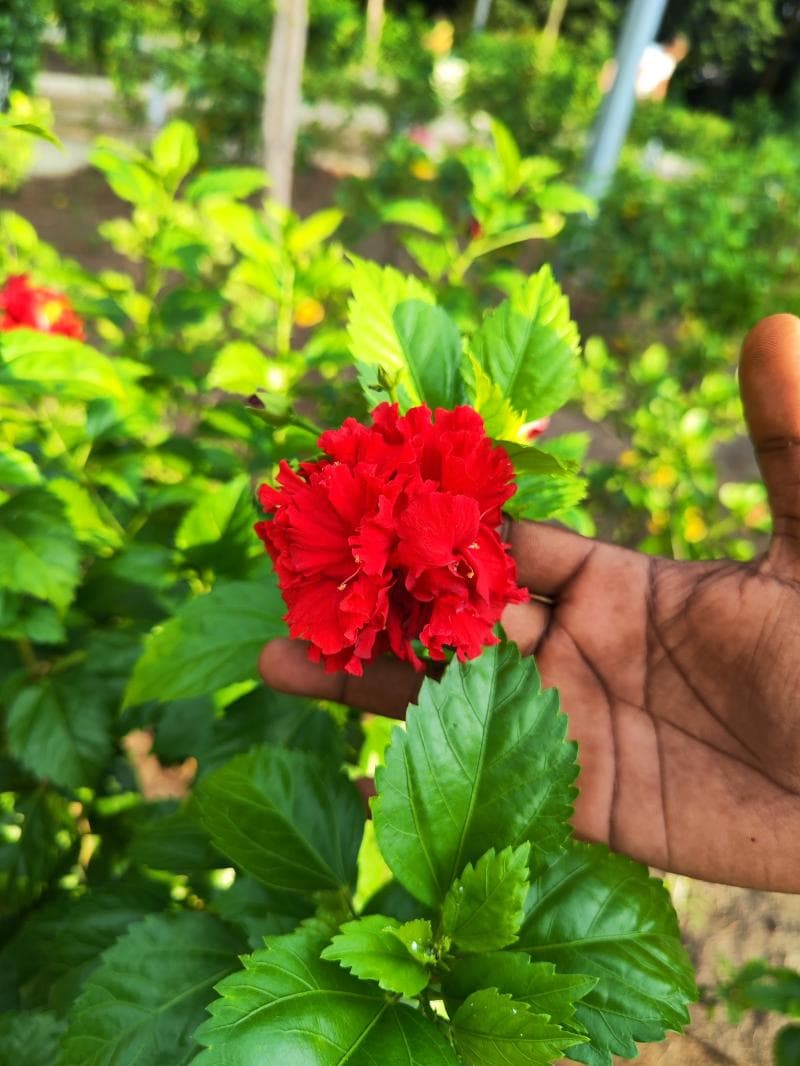
Explore Kuala Lumpur's Hibiscus Garden, a vibrant tribute to Malaysia's national flower within Perdana Botanical Gardens. Discover its rich history and cultural significance.
Overview
Nestled within the sprawling beauty of the Perdana Botanical Gardens in Kuala Lumpur, Malaysia, the Hibiscus Garden, or Taman Bunga Raya as it is known locally, stands as a vibrant tribute to Malaysia's national flower. This carefully curated sub-spot is a living kaleidoscope of colors, showcasing hundreds of hibiscus varieties, from the iconic red 'Bunga Raya' to rare hybrids and species from across the tropical world. Designed to complement the nearby Orchid Garden, it offers visitors a tranquil escape and a deeper understanding of the flower's significant role in Malaysian culture and identity. The garden is terraced across gentle slopes, adorned with tropical palms, murmuring fountains, and charming pathways that invite leisurely exploration.
As you wander through its diverse sections, you'll encounter a visual feast of crimson, pink, yellow, and white blossoms, each radiating a warmth that reflects the Malaysian spirit. The Hibiscus Garden provides a serene setting where botanical wonder meets cultural reflection, making it a must-visit for anyone seeking both natural beauty and a connection to the heart of Malaysia.
History & Cultural Background
The journey of the hibiscus to its esteemed position as Malaysia's national flower is a story rooted in both botany and national identity. The Hibiscus rosa-sinensis, known as 'Bunga Raya' in Malay, was formally declared the national flower on July 28, 1960. The name 'Bunga Raya' itself translates to 'great flower' or 'celebratory flower', perfectly encapsulating its importance. This tropical bloom was introduced to the Malay Peninsula as early as the 12th century, gradually becoming a ubiquitous sight across the land.
The creation of the Hibiscus Garden within the Perdana Botanical Gardens in the 1990s was a deliberate effort to honor and display this emblem of the nation. The larger Perdana Botanical Gardens themselves boast a rich history, established in 1888 as the 'Public Gardens' or 'Lake Gardens' by Alfred Venning, the British State Treasurer of Selangor. Over time, this colonial-era leisure park evolved, being renamed Taman Tasik Perdana in 1975 and finally the Perdana Botanical Gardens in 2011, reflecting its enhanced focus on botanical conservation and education.
What Makes It Special
What sets the Hibiscus Garden apart is its profound connection to Malaysia's national identity, coupled with its remarkable botanical diversity. It's not merely a collection of beautiful flowers; it's a living symbol. The vivid red of the 'Bunga Raya' petals signifies the courage, vitality, and rapid growth of the Malaysian people. Furthermore, its five petals are emblematic of the 'Rukun Negara', the five national principles of unity: Belief in God, Loyalty to King and Country, Supremacy of the Constitution, Rule of Law, and Courtesy and Morality.
Beyond its symbolic depth, the garden is a horticultural marvel, housing over 500 varieties of hibiscus. Visitors can observe a vast array of species and hybrids, from the classic five-petaled red hibiscus that adorns Malaysian currency notes and coins, to rare specimens from the Caribbean and unique golden varieties cultivated through local research. The thoughtful design, with its central pond and cascading waterfall echoing the flower's radial symmetry, creates a harmonious blend of natural beauty and symbolic representation.
Stories, Fun Facts & Local Details
The hibiscus holds a surprising array of historical and practical uses beyond its ornamental beauty. In certain parts of the world, particularly in India and Indonesia, the flower is sometimes called the 'shoe flower' or 'kembang sepatu' because its petals were traditionally used to shine and blacken shoes. Historically, the juice from hibiscus petals was also used by Chinese and Indians as a dye to darken eyebrows and hair, a practice later adopted by Arabs and Portuguese traders.
Interestingly, the Hibiscus rosa-sinensis is not just for looking at; its flowers are edible and have been used in salads in the Pacific Islands. Local lore even suggests its use in traditional medicine, with hibiscus tea believed to help lower blood pressure, and its roots used to treat coughs and head lice. In the past, the flower was scattered on banquet tables, worn by maidens, and used to decorate festive arches, remaining fresh for extended periods. Sculptural installations within the garden depict scenes of women weaving garlands and children offering hibiscus blooms, hinting at the flower's traditional role in festivals and village life.
Visitor Perspective
A visit to the Hibiscus Garden is an immersive experience designed for contemplation and appreciation. The garden is best enjoyed in the morning, ideally between 9:00 AM and noon, when the flowers are fully open and the light beautifully illuminates their vibrant hues. This timing also helps avoid the midday heat, making for a more comfortable stroll. Pathways lead through pergolas draped in vines, where butterflies flit among the blossoms, adding to the garden's enchanting atmosphere.
Visitors often remark on the tranquil ambiance, a welcome respite from the bustling city. Interpretive panels along the curved walkways provide insights into the hibiscus's journey and symbolism, enriching the experience. While some areas involve a gentle climb, the peaceful environment is often considered more serene than other parts of the larger botanical gardens. Allocate at least an hour to truly wander, appreciate the intricate details of the blossoms, and capture photographs of this botanical treasure. Entry to the main Perdana Botanical Gardens, and generally to the Hibiscus Garden, is typically free, inviting everyone to partake in this colorful celebration of Malaysia.
Coordinates: 101.6846, 3.14295
View on Google Maps💬 How Travelers Describe This Place
Based on community votes
Beautiful
685Interesting
472Must See
446Unique
399Photogenic
92
Traveler Stories
Discover memorable experiences shared by travelers who have visited this place.
No traveler stories yet.
Be the first traveler to share what made this place memorable.

Tour
By
Spot
Discover amazing places around the world. Your journey starts here.
Explore
© 2026 TourBySpot. All rights reserved.