Heroon
Antalya, Turkey
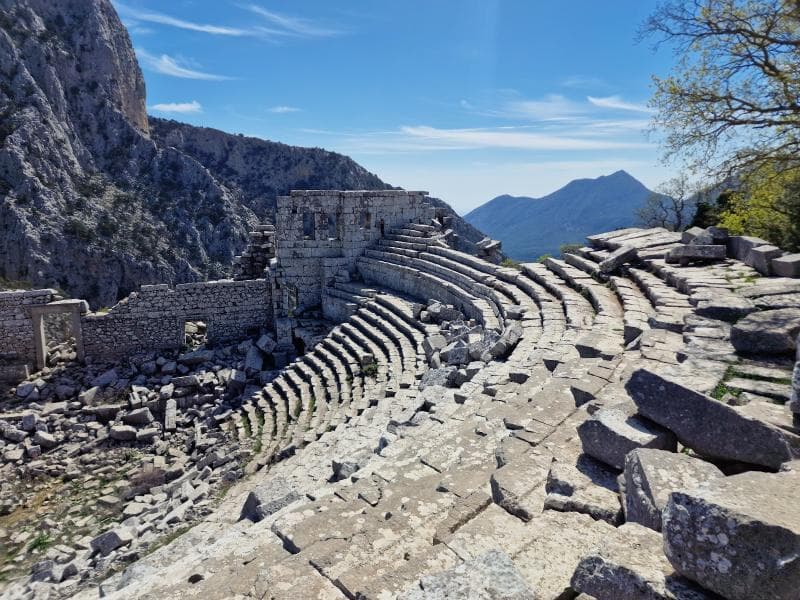
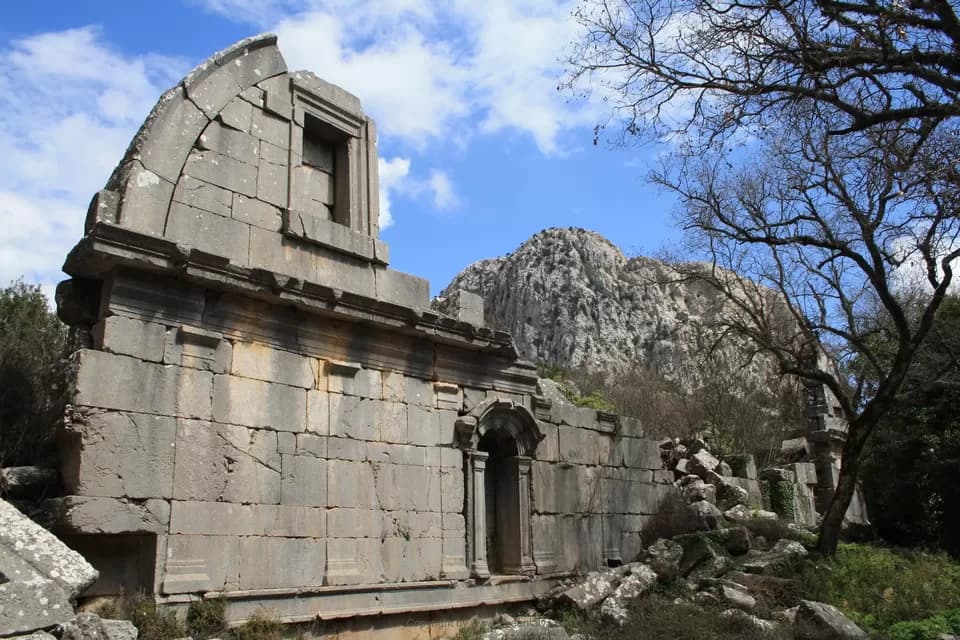
Discover the Heroon in Termessos, Antalya, Turkey – a mysterious ancient monument dedicated to an unknown hero within a mountain fortress city that defied Alexander the Great.
Overview
High in the rugged embrace of the Taurus Mountains, nestled within the Güllük Dağı-Termessos National Park in Antalya, Turkey, lies the ancient city of Termessos. A truly remarkable archaeological site, Termessos stands as one of Turkey's best-preserved and least-disturbed ancient cities, often described as having a 'lost city' feel due to its dramatic setting and the way nature has reclaimed its ruins.
Among its many captivating structures—the vast theater, the agora, and the sprawling necropolis—stands a particularly intriguing monument: the Heroon. This sacred building, dedicated to an unknown hero or ruler, offers a glimpse into the spiritual and political life of the fiercely independent Pisidian people who once called Termessos home.
History & Cultural Background
The origins of Termessos are shrouded in ancient mythology, with its founders, the Solymi, even mentioned in Homer's Iliad in connection with the legend of Bellerophon. This mountainous stronghold was strategically located, controlling crucial inland routes between Pamphylia's coastal plains and Anatolia's interior. Its formidable natural defenses made it a near-impregnable fortress, famously resisting the siege of Alexander the Great in 333 BC – a rare defeat for the legendary conqueror.
Though a Pisidian settlement initially, Termessos gradually integrated into the wider Hellenistic world and later became an autonomous ally of Rome around 70 BC. This independence was a source of great pride for the Termessians, even reflected on their coins bearing the title 'Autonomous'. The city flourished during the 2nd and 3rd centuries AD under Roman rule, becoming a thriving provincial center. However, its eventual decline in the 5th century AD is often attributed to a devastating earthquake that destroyed its vital water supply system, leading to its abandonment. This natural reclamation, rather than extensive excavation, has contributed to Termessos's uniquely wild and untouched character today.
What Makes It Special
The Heroon at Termessos is a testament to the ancient practice of hero worship, a significant aspect of Greek and Hellenistic culture. It's a monumental and sacred building, distinct from a typical temple, as it was specifically dedicated to a revered, though now unnamed, hero or ruler of the city. This structure wasn't just a place of religious reverence; it also likely served an important political function, reinforcing the city's identity and connection to its past leaders.
Architecturally, the Heroon provides a fascinating glimpse into Hellenistic craftsmanship. Its facade, crafted from marble, once boasted a triangular pediment supported by four impressive columns. These elements were further adorned with intricate statues, reliefs, and inscriptions, all contributing to its grandeur and symbolic importance. While the Heroon today stands in a ruinous state, its surviving fragments hint at the reverence and artistry with which it was constructed. Its presence near the city's agora, a central public space, underscores its prominence in daily life and ceremonial activities.
Stories, Fun Facts & Local Details
One of the most intriguing aspects of the Termessos Heroon is the mystery surrounding the identity of the hero it honors. Was it a military leader who defended the city's famed independence? A revered founder? Or perhaps a figure from their rich mythology, tied to the Solymi and the legend of Bellerophon? The lack of formal excavation at Termessos means many such secrets remain buried, adding to its allure and inviting visitors to imagine the stories behind its stones.
Termessos itself is full of fascinating details. Its inhabitants, the Solymi, were described by the Greek geographer Strabo as a Pisidian people, their name derived from the Anatolian god Solymeus, later equated with Zeus. The city's military culture is evident in numerous war-themed carvings and the remains of a large gymnasium where fighters trained. Imagine the sight of these warriors, fiercely proud and independent, gathering near the Heroon to honor their fallen or celebrated figures before defending their mountain home against all odds, even Alexander the Great. The unique combination of natural beauty, strategic defiance, and untouched ruins makes Termessos, and its Heroon, a profoundly atmospheric site where history truly breathes.
Visitor Perspective
Visiting the Heroon requires navigating the broader ancient city of Termessos, an experience that is far from a casual stroll. Located within a national park, the site demands a moderate to steep hike along stone paths and uneven terrain. Comfortable shoes, ample water, and a reasonable level of fitness are essential. The journey, however, is immensely rewarding. As you explore Termessos, you'll be treated to panoramic views of the surrounding Taurus Mountains and lush pine forests, creating a dramatic backdrop to the ancient ruins.
Finding the Heroon requires a keen eye amidst the scattered remains of other temples and civic structures, often near the agora. Its ruinous state, while challenging for immediate recognition, contributes to the sense of discovery and the feeling of stepping back in time. Termessos offers a unique archaeological adventure, less curated than other sites, allowing for a more personal and immersive connection with its storied past. It's a place for contemplation, where the echoes of ancient heroes and the resilience of a bygone civilization resonate through the mountain air.
Coordinates: 30.46472, 36.9825
View on Google Maps💬 How Travelers Describe This Place
Based on community votes
Must See
872Beautiful
684Unique
363Interesting
250Photogenic
88
Traveler Stories
Discover memorable experiences shared by travelers who have visited this place.
No traveler stories yet.
Be the first traveler to share what made this place memorable.

Tour
By
Spot
Discover amazing places around the world. Your journey starts here.
Explore
© 2026 TourBySpot. All rights reserved.