Henry Moore Sculptures
Toronto, Canada
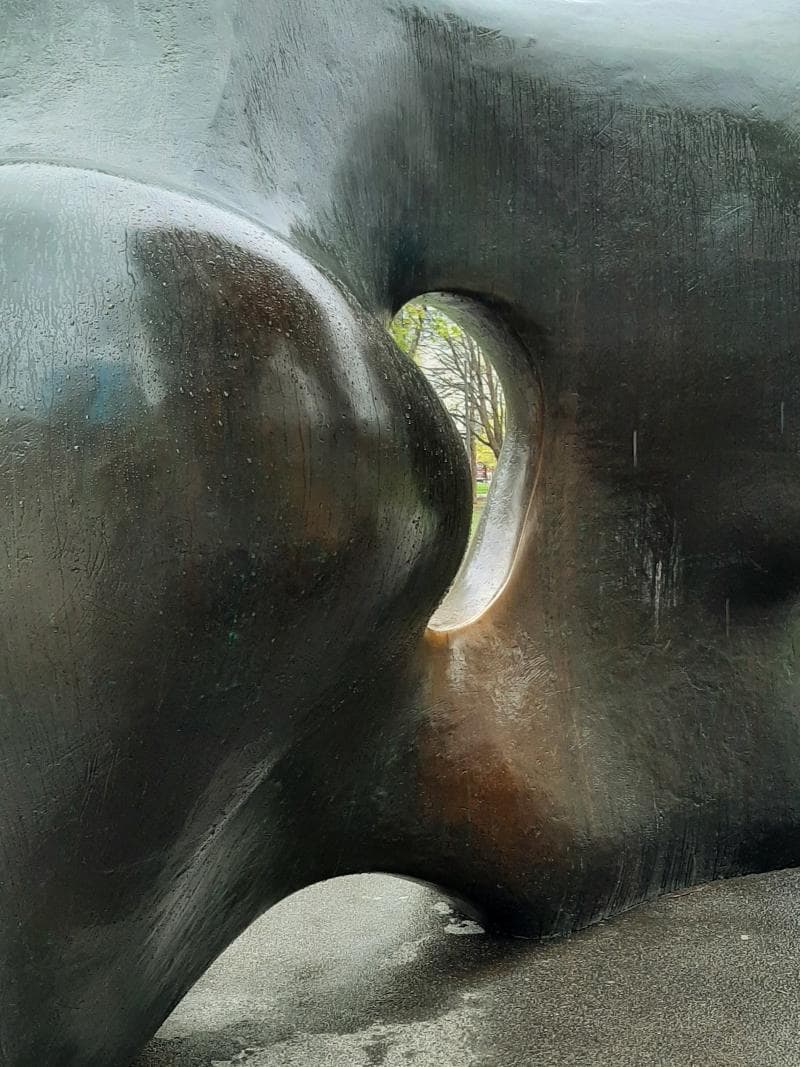
Explore the Henry Moore Sculptures at the Art Gallery of Ontario in Toronto, Canada. Discover the world's largest public collection of Moore's works.
Overview
Nestled within the renowned Art Gallery of Ontario (AGO) in Toronto, Canada, lies the Henry Moore Sculpture Centre, a dedicated space housing the world's largest public collection of works by the celebrated British sculptor, Henry Moore. This impressive collection, featuring over 900 pieces, offers visitors an unparalleled opportunity to delve into the artistic journey of a master who redefined modern sculpture. From his iconic large-scale bronze forms to intimate drawings, prints, and rare plaster originals, the Centre provides a comprehensive look at Moore's profound exploration of the human figure and the natural world.
Opened in 1974, the Henry Moore Sculpture Centre is more than just an exhibition space; it is a testament to Moore's deep connection with Toronto and his belief in art's universal appeal. Designed in close collaboration with the artist himself, the Centre's architecture enhances the experience, allowing Moore's powerful works to resonate with visitors in a light-filled, contemplative environment.
History & Cultural Background
The story of Henry Moore's collection at the Art Gallery of Ontario began modestly in 1951 with the gift of a large bronze, 'Working Model for Upright Internal and External Forms'. This initial acquisition by the AGO Women's Committee marked the start of a remarkable relationship between the artist and the city. However, the collection's true expansion came in 1974, fueled by an unprecedented donation from Moore himself: 101 sculptures, 57 drawings, and 150 prints. This extraordinary gift, motivated by Moore's conviction that 'art is international', made headlines globally and established the AGO as the primary custodian of his public works.
The Henry Moore Sculpture Centre, inaugurated in the autumn of 1974, was specifically designed by Toronto architect John C. Parkin in partnership with Moore to permanently display these treasures. The Centre's creation was a pivotal moment, solidifying Toronto's place on the international art stage and providing a lasting legacy of Moore's contribution to modern art. This year, 2024, marks the 50th anniversary of the Centre's opening, a milestone celebrated by the City of Toronto proclaiming November 13th as Henry Moore Day.
What Makes It Special
The Henry Moore Sculpture Centre stands out for several compelling reasons. Foremost is its distinction as the largest public collection of Henry Moore's works anywhere in the world, encompassing a vast array of his artistic output. This includes not only his celebrated bronze sculptures and maquettes but also rare plaster casts, which Moore himself regarded as 'plaster originals'. He considered these the actual works he created with his own hands, offering an intimate glimpse into his creative process and technique.
The Centre's architectural design is another unique aspect. John C. Parkin, working hand-in-hand with Moore, conceived a space flooded with natural light and featuring reflective flooring. This thoughtful design was intended to imbue the massive sculptures with a sense of lightness, making them appear as if 'floating on a pond', thus enhancing their profound organic forms. The Centre also features spaces named after Moore's late wife, Irina, adding a personal touch to the institutional setting.
Stories, Fun Facts & Local Details
Henry Moore developed a genuine fondness for Toronto, describing its atmosphere as 'open and fresh', a stark contrast to what he perceived as a more 'blasé' environment in England. He appreciated the warmth and receptiveness of the local people towards his art. His generosity towards the AGO stemmed from this positive relationship and his conviction that art should transcend national boundaries.
A notable piece, 'Large Two Forms' (1966–1969), a massive bronze sculpture, holds a prominent outdoor position in Grange Park, adjacent to the AGO. Before its move in 2017, it was located at the corner of McCaul and Dundas Streets, becoming a familiar landmark. Another significant work, 'Three Way Piece Number Two: Archer' (1964-1965), more commonly known as 'The Archer', became an emblem for Toronto's City Hall. Its acquisition sparked public debate due to its modern abstract form, but passionate citizens ultimately raised funds to ensure its purchase, demonstrating Toronto's growing appetite for contemporary art.
Visitors to the Henry Moore Sculpture Centre can observe the evolution of Moore's craft through the sequential placement of works, an arrangement he collaborated on to aid understanding for students and enthusiasts alike. The Centre also frequently rotates selections of his prints and drawings, ensuring a fresh perspective with each visit.
Visitor Perspective
For any traveler exploring Toronto's cultural landscape, a visit to the Henry Moore Sculpture Centre is an enriching experience that goes beyond simply viewing art. It's an invitation to engage with the monumental legacy of one of the 20th century's most influential sculptors. Located on Level 2 of the Art Gallery of Ontario, the Centre offers a serene and thoughtfully designed environment conducive to contemplation.
Walking through the naturally lit galleries, you'll encounter the tactile presence of Moore's forms, from the smooth, undulating curves of his bronzes to the raw, expressive textures of his direct carvings. The arrangement allows for a journey through Moore's career, observing how his recurring themes of the reclining figure, internal and external forms, and mother-and-child motifs evolve across different mediums. Whether you are an art aficionado or a curious newcomer, the sheer scale and organic beauty of these works are captivating, prompting reflection on humanity's connection to nature and the timeless power of sculptural expression.
The Henry Moore Sculpture Centre is a cornerstone of the AGO collection, consistently inspiring visitors and serving as a focal point for artistic insight. Its accessibility within a world-class institution like the AGO makes it an ideal destination for those seeking a profound cultural encounter in the heart of Toronto.
Coordinates: -79.39278, 43.65361
View on Google Maps💬 How Travelers Describe This Place
Based on community votes
Photogenic
685Interesting
446Beautiful
152Unique
33Must See
16
Traveler Stories
Discover memorable experiences shared by travelers who have visited this place.
No traveler stories yet.
Be the first traveler to share what made this place memorable.

Tour
By
Spot
Discover amazing places around the world. Your journey starts here.
Explore
© 2026 TourBySpot. All rights reserved.