Handmade Houses
Copenhagen, Denmark
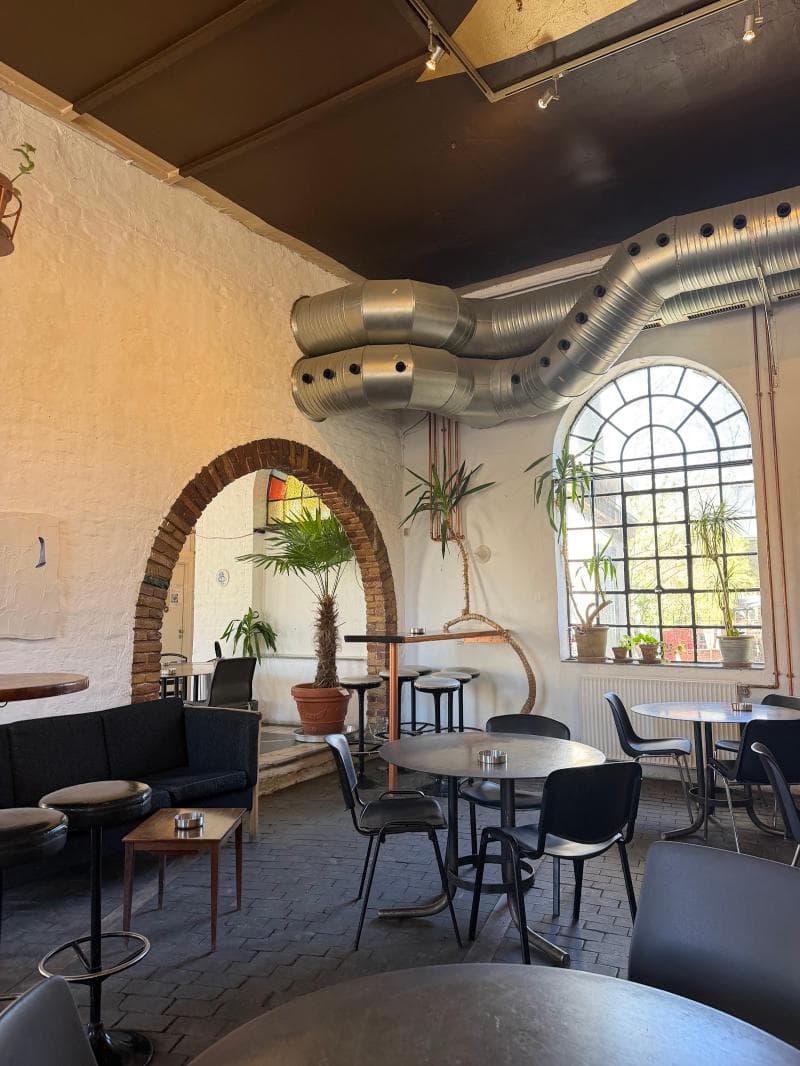
Discover the whimsical 'Handmade Houses' of Freetown Christiania in Copenhagen, Denmark, a unique self-governing community famed for its unconventional, self-built architecture and alternative culture.
Overview
Nestled within the bustling city of Copenhagen, Denmark, Freetown Christiania stands as a vibrant, self-proclaimed autonomous neighborhood, often simply called Christiania. This unique enclave, covering approximately 34 hectares, is home to between 850 and 1,000 residents and welcomes around half a million visitors annually. It distinguishes itself with an alternative lifestyle, distinctive self-built homes, and lush green spaces, functioning as a social experiment in self-governance.
Christiania operates under its own set of rules, largely independent of Danish law, although it reached an agreement with the state in 2011 to collectively purchase its land. This 'freetown' offers a stark contrast to the ordered nature of the rest of Copenhagen, presenting a living testament to counter-cultural ideals.
History & Cultural Background
The story of Christiania began in 1971 when a group of local residents and hippies broke through the fence of abandoned military barracks in the Christianshavn borough. Their initial motivation was to create a playground for neighborhood children amidst a perceived lack of public spaces and affordable housing in Copenhagen. Soon, squatters, artists, and idealists joined, establishing a community founded on principles of collective self-governance, anti-capitalism, and a rejection of societal norms.
The Danish government initially tolerated Christiania as a 'social experiment.' Over the decades, it evolved through periods of conflict and negotiation with authorities. Despite attempts at 'normalization,' Christiania has largely preserved its independent spirit and unique character. The community's residents, known as Christianites, have shaped their environment to reflect their values, emphasizing creativity, sustainability, and communal living.
What Makes It Special
The most striking feature of Christiania, and the core of its charm, are its 'Handmade Houses.' These are not conventional buildings but imaginative, unconventional structures built by residents using salvaged, repurposed, and recycled materials. This approach to construction, often dubbed 'architecture without architects,' has given rise to an incredibly diverse and eclectic architectural landscape.
Each house is a unique expression of its builder's creativity, blending freely with the natural surroundings. You'll find everything from simple wooden huts and repurposed caravans to elaborate glass houses crafted from salvaged windows, structures with sod roofs, and even whimsical creations like a banana-shaped house or a UFO-shaped home perched on stilts over water. Some dwellings are inspired by 'hobbit homes' from literature, others are designed as occult wooden cabins for yoga and meditation. This commitment to self-built, experimental architecture from found materials embodies Christiania's ethos of freedom and resourcefulness.
Stories, Fun Facts & Local Details
Life in Christiania is guided by community agreements rather than external laws. One notable rule is the ban on hard drugs, guns, knives, and violence. Visitors are also asked not to run, as it can cause panic among residents, harking back to past police raids. Christiania is a car-free zone, contributing to its tranquil, green atmosphere, where bicycles are the primary mode of transport.
Residents contribute a monthly usage fee, which goes into a communal fund to cover shared expenses like water, electricity, and property taxes, rather than paying individual rent. Beyond its unique housing, Christiania is a hub of cultural activity, featuring art galleries, workshops, and music venues. Iconic spots include Nemoland, a long-standing cafe and music venue, and The Grey Hall (Den Grå Hal), a historic concert space that has hosted renowned international artists. The community even boasts its own flag, a red banner with three yellow dots, symbolizing the three 'i's in Christiania.
Visitor Perspective
Visiting Christiania is often described as stepping into an entirely different world within Copenhagen. The area bursts with color, creative energy, and a palpable sense of freedom, inviting curious travelers to explore its winding paths and vibrant street art. While Christiania is a popular tourist destination, it's also a lived-in community, and visitors are encouraged to respect its residents and rules. This includes being mindful of photography restrictions, particularly in certain residential areas or on Pusher Street, which is the historical hub for cannabis trade.
To truly experience Christiania, it's recommended to venture beyond the initial bustling areas and appreciate the quieter, more residential parts where the handmade houses are most visible. This allows for a deeper understanding of the community's alternative spirit and its ongoing social experiment in collective living.
Coordinates: 12.5932, 55.6708
View on Google Maps💬 How Travelers Describe This Place
Based on community votes
Must See
934Beautiful
276Photogenic
152Unique
30Interesting
16
Traveler Stories
Discover memorable experiences shared by travelers who have visited this place.
No traveler stories yet.
Be the first traveler to share what made this place memorable.

Tour
By
Spot
Discover amazing places around the world. Your journey starts here.
Explore
© 2026 TourBySpot. All rights reserved.