Handicraft Stalls
Chiang Mai, Thailand
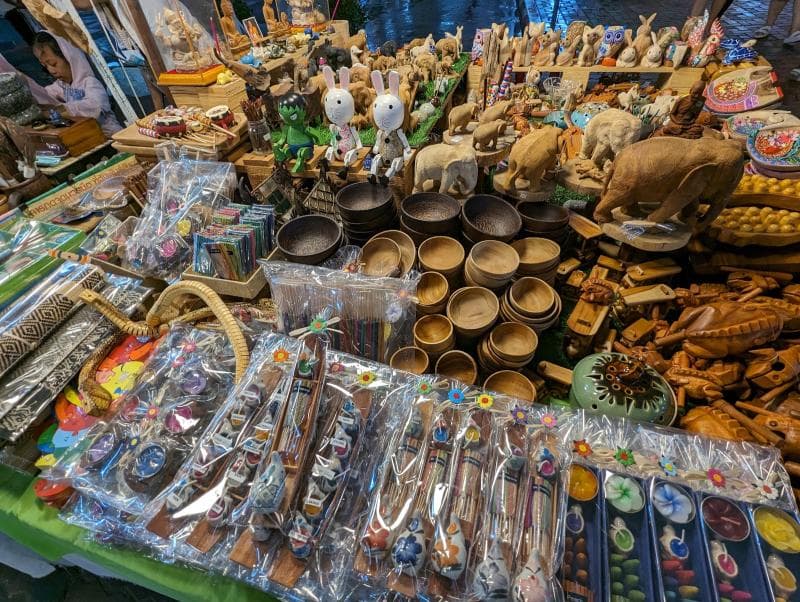
Discover the vibrant handicraft stalls at Chiang Mai Night Bazaar, Thailand. Explore unique Lanna arts, silver, silks, and wood carvings.
Overview
Nestled within the bustling Chiang Mai Night Bazaar, the handicraft stalls represent a vibrant tapestry of Northern Thai artistry and culture. This renowned section of the market, stretching along Chang Khlan Road, transforms each evening into a sensory delight, offering visitors an immersive experience into the region's rich crafting traditions. Far more than just a shopping destination, the handicraft stalls provide a window into the soul of Lanna culture, where generations of skill are passed down through intricate designs and vibrant materials. Here, you'll find everything from delicate silk textiles and gleaming silver jewelry to robust wood carvings and colorful paper umbrellas, each item telling a story of Thai heritage and meticulous craftsmanship. The air is often filled with the gentle sounds of vendors engaging with curious patrons and the soft rustle of fabrics, creating an atmosphere that is both lively and authentically enchanting.
The Chiang Mai Night Bazaar itself is a sprawling complex, encompassing various sections, but the handicraft stalls stand out for their dedication to authentic Thai artistry. They are a treasure trove for those seeking unique souvenirs, meaningful gifts, or simply an appreciation for traditional crafts. Visitors can explore hundreds of stalls, each showcasing the diverse talents of local artisans and small businesses. The experience is designed for curious travelers who wish to connect with the local culture through its tangible expressions.
History & Cultural Background
The history of the Chiang Mai Night Bazaar, and by extension its handicraft stalls, is deeply intertwined with Chiang Mai's past as a significant trading hub. Dating back centuries, when Chiang Mai was the capital of the Lanna Kingdom, the city served as a crucial intersection for merchants from China, India, and other parts of Asia. These early traders exchanged a variety of goods, including silks, spices, and, notably, handicrafts. The bazaar originated as a place where these goods were sold to locals and travelers alike, evolving over time into the diverse marketplace it is today.
The handicrafts found here are often rooted in Lanna traditions, distinct from central and southern Thai styles. They reflect the artistic heritage of Northern Thailand, incorporating designs and techniques passed down through generations. Many items also showcase the influence of various hill tribes, known for their unique textile patterns, silverwork, and natural material artistry. This cultural confluence makes the handicraft stalls a living museum of Northern Thai identity, preserving ancient skills and narratives in every piece.
What Makes It Special
What truly sets the handicraft stalls apart is the sheer variety and the evident dedication to traditional artistry. Unlike mass-produced souvenirs often found elsewhere, many items here are handcrafted, showcasing unique styles and techniques. You might encounter intricate silver jewelry, a testament to the region's silversmithing heritage, or hand-woven textiles featuring complex patterns and vibrant dyes. Wood carvings, ranging from small decorative elephants to larger, detailed sculptures, highlight local woodworking expertise.
Furthermore, the opportunity for direct interaction with the artisans or knowledgeable vendors provides a unique connection. This personal touch allows visitors to learn about the crafting process, the cultural significance of certain motifs, and the stories behind the creations. It fosters a deeper appreciation for the effort and artistry embedded in each piece, transforming a simple purchase into a meaningful cultural exchange. The atmosphere of friendly negotiation, a customary practice, also adds a unique element to the shopping experience.
Stories, Fun Facts & Local Details
One fun fact about shopping for handicrafts in Chiang Mai is the tradition of bargaining. It's not just about getting a good price; it's an expected part of the cultural exchange. Vendors often start with prices 50-100% higher than the final accepted cost, making the negotiation a playful dance where a polite smile and respectful demeanor can go a long way in securing a better deal.
Among the most iconic handicrafts are the hand-painted paper umbrellas from Bo Sang village, a craft that has made Chiang Mai famous. These delicate yet durable creations are not just decorative; they are a symbol of local artistry. Another captivating detail is the prevalence of hill tribe crafts, which often incorporate vibrant colors and symbols with deep cultural meaning, reflecting the rich diversity of ethnic groups in Northern Thailand. From carved soaps emanating fragrant aromas to bespoke tailored silk garments, the handicraft stalls are replete with items that carry a piece of Chiang Mai's artistic legacy.
Visitor Perspective
For the curious traveler, visiting the handicraft stalls at the Chiang Mai Night Bazaar is an experience best savored. It's recommended to allocate ample time, perhaps two to three hours, to leisurely explore the vast array of offerings. The market typically comes alive after sunset, usually from 6 PM to 11 PM daily, with the most vibrant atmosphere between 7 PM and 9 PM.
The charm lies not just in the items themselves but in the overall ambiance. The bustling energy, the aromas from nearby food stalls, and the occasional street performances contribute to a lively and memorable evening. Engaging with vendors, even if just for a friendly chat, can enhance the experience. It's a place where one can find an authentic piece of Chiang Mai to take home, not merely a souvenir, but a tangible memory of the 'Rose of the North' and its enduring artistic spirit.
Coordinates: 99.00075, 18.7867
View on Google Maps💬 How Travelers Describe This Place
Based on community votes
Unique
965Interesting
629Must See
443Beautiful
184Photogenic
176
Traveler Stories
Discover memorable experiences shared by travelers who have visited this place.
No traveler stories yet.
Be the first traveler to share what made this place memorable.

Tour
By
Spot
Discover amazing places around the world. Your journey starts here.
Explore
© 2026 TourBySpot. All rights reserved.