Handicraft Area
Vientiane, Laos
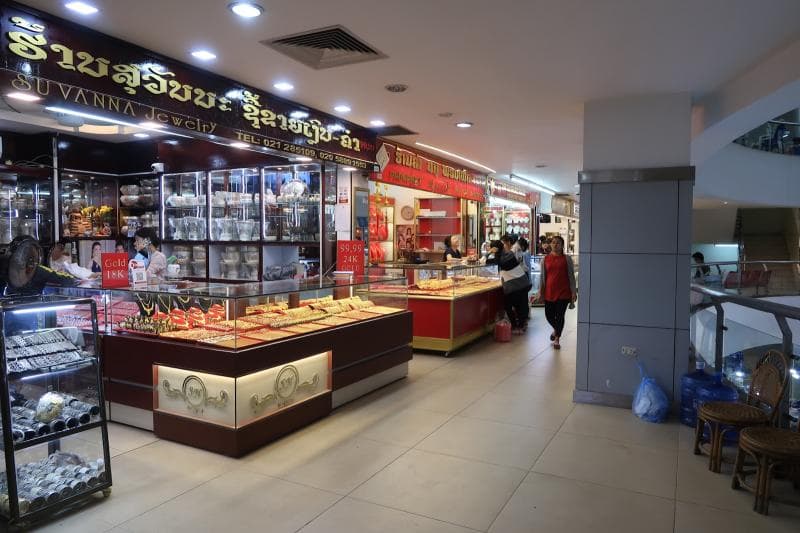
Discover the Handicraft Area at Talat Sao Morning Market in Vientiane, Laos, for authentic handwoven textiles, silver jewelry, and traditional crafts.
Overview
Stepping into the Handicraft Area within Talat Sao Morning Market in Vientiane, Laos, is like entering a vibrant gallery showcasing centuries of Lao artistic heritage. This bustling section of the market is where the heart of traditional Lao craftsmanship beats strongest, offering a rich tapestry of locally made goods. Far from a mere shopping destination, it is a cultural nexus where artisans display their dedication to time-honored techniques, providing a tangible connection to the country's soul. Visitors can explore a diverse array of items, from the famed handwoven textiles and intricate silver jewelry to beautifully carved woodwork and unique bamboo creations, each piece telling a story of Lao ingenuity and tradition.
History & Cultural Background
The roots of Lao handicrafts stretch back over a thousand years, deeply intertwined with the migration of the Tai-Lao people from southern China, who introduced sophisticated silk cultivation and weaving techniques. This art blended with the existing cotton and hemp weaving traditions of indigenous Mon-Khmer groups, forging a unique cultural mosaic. Historically, weaving was a domestic art, predominantly practiced by women, serving not only as a means of livelihood but also as preparation for dowries and family enterprises. During the flourishing Lan Xang Kingdom, royal patronage elevated weaving to an esteemed art form, with luxurious silk textiles produced for the court and religious ceremonies.
Beyond aesthetics, Lao handicrafts are imbued with profound cultural and spiritual significance. Textiles, for instance, often carry symbolic meanings; the traditional *sinh* skirt worn by women can convey social status, marital standing, or ethnic identity through its patterns and motifs. These designs are frequently inspired by nature, local mythology, and deep-seated Buddhist and animist beliefs. For example, the revered Naga (river serpent) motif symbolizes protection, while the Siho (a mythical half-elephant, half-lion creature) embodies power and strength. Silver smithing, another ancient craft, boasts a long tradition in Vientiane, with artisans creating high-purity silver pieces often featuring the 'flower of prosperity' design, believed to bring good fortune.
What Makes It Special
What truly sets the Talat Sao Handicraft Area apart is its unwavering commitment to authenticity and traditional craftsmanship. Unlike mass-produced goods, the items found here are largely handmade, reflecting techniques passed down through countless generations. This dedication means that each textile, carving, or piece of jewelry is not just an object, but a cultural artifact, carrying the legacy of its maker and the collective heritage of Laos. The diversity of crafts is remarkable, showcasing the distinct styles and traditions of Laos' many ethnic groups. From the exceptionally fine Lao silk, noted for its unique qualities attributed to the mulberry leaf diet of the silkworms, to the high-purity silver, the quality of materials used is often superior.
Visiting the Handicraft Area also provides a unique opportunity to directly support local artisans. By purchasing their creations, travelers contribute to the preservation of these invaluable cultural practices and help sustain the livelihoods of the communities that keep them alive. It is a chance to acquire a piece of Laos' living history, crafted with care and imbued with meaning that transcends its material form.
Stories, Fun Facts & Local Details
The intricate patterns woven into Lao textiles are not merely decorative; they are visual narratives. Each ethnic group has its own distinctive designs, drawing inspiration from their history, personal stories, and the natural world around them. Motifs frequently depict elements like flowers, trees, clouds, and celestial bodies, alongside mythical creatures such as the Naga and Siho, which are deeply embedded in Lao folklore. The famous Naga motif weaving tradition, recognized by UNESCO in 2024 for its cultural significance, highlights the protective symbolism of the river serpent. The vibrant hues seen in Lao textiles often come from natural dyes, painstakingly extracted from plants, roots, and even insects—for instance, pink from sappan wood, deep red from beetle shells, and brilliant blues from the indigo plant.
The craft of silk weaving in Laos faced a period of severe decline during the wars of the mid-20th century, a challenging time that threatened to extinguish this ancient art. However, a significant resurgence has been observed in recent years, fueled by growing international demand and the burgeoning tourism sector, helping to revive this precious tradition. Another fascinating detail lies in Lao silver jewelry, where the 'flower of prosperity' is a common and meaningful design, symbolizing life, health, love, luck, and happiness for the wearer.
Visitor Perspective
For the curious traveler, the Handicraft Area at Talat Sao is an indispensable stop for acquiring authentic souvenirs and meaningful gifts. The sheer volume and variety of items can be delightful, from elegant silk scarves and traditional *sinh* to intricately carved wooden figurines and unique silver adornments. A key aspect of the market experience is the opportunity for polite bargaining, a common practice that can lead to friendly interactions with vendors.
To enjoy the best selection and avoid the warmest parts of the day, an early morning visit is often recommended, as many vendors set up shop as the sun rises. When selecting items, it's always wise to inspect them for quality and inquire about their materials and craftsmanship. Furthermore, visitors are encouraged to be mindful of local customs, including dressing modestly, particularly if planning to visit religious sites before or after their market exploration. It's helpful to remember that the most traditional handicrafts are typically found within the older, less modernized sections of the market, offering a more genuine glimpse into Lao artisan culture.
Coordinates: 102.614, 17.965
View on Google Maps💬 How Travelers Describe This Place
Based on community votes
Must See
972Beautiful
787Photogenic
748Unique
85Interesting
73
Traveler Stories
Discover memorable experiences shared by travelers who have visited this place.
No traveler stories yet.
Be the first traveler to share what made this place memorable.

Tour
By
Spot
Discover amazing places around the world. Your journey starts here.
Explore
© 2026 TourBySpot. All rights reserved.