Hachiko Statue
Tokyo, Japan
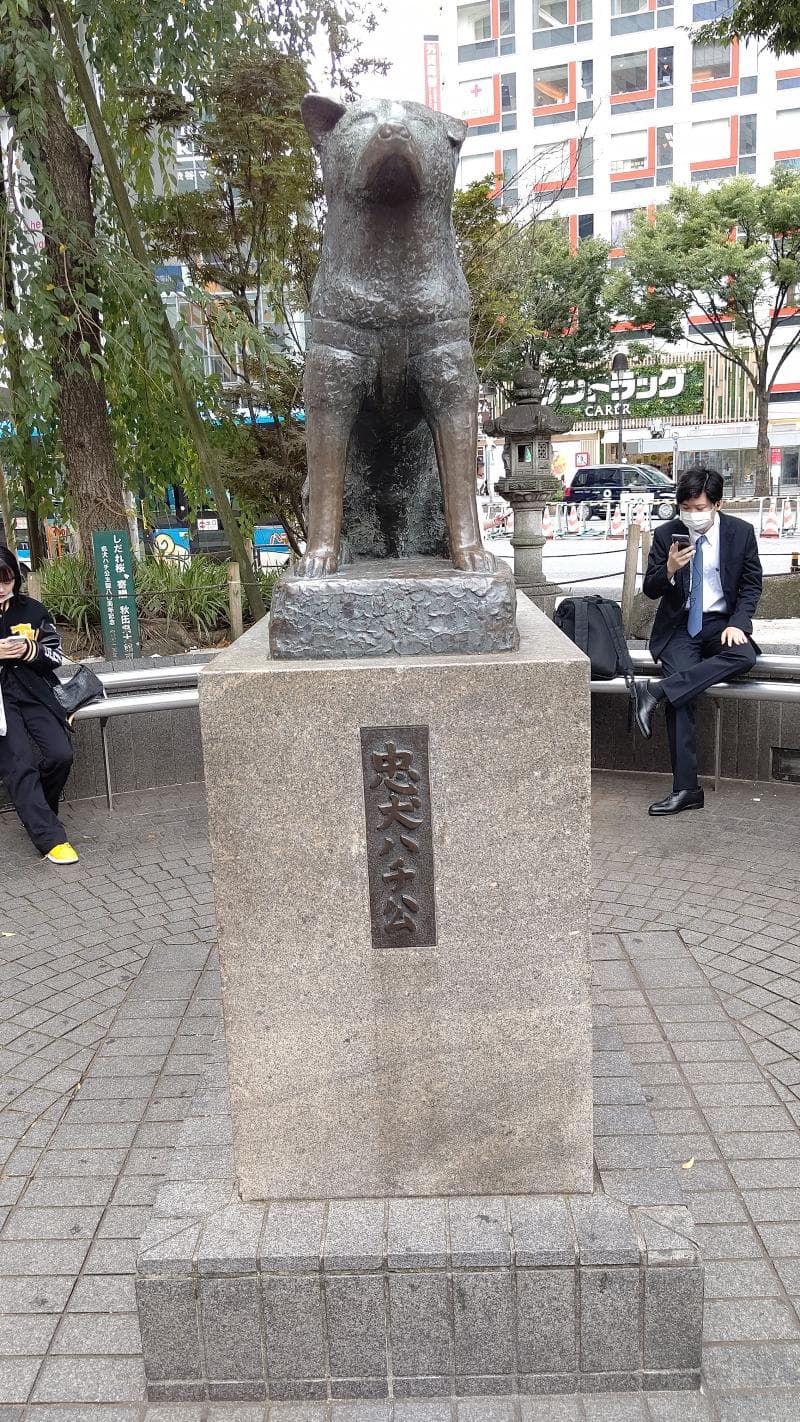
Discover the Hachiko Statue in Shibuya, Tokyo, Japan – an iconic bronze monument honoring the legendary loyal Akita dog. Learn its heartwarming story and cultural significance as a beloved meeting point.
Overview
The Hachiko Statue, a small yet profoundly impactful bronze monument, stands prominently outside Shibuya Station in central Tokyo, Japan. More than just a statue, it serves as a powerful symbol of unwavering loyalty and a beloved landmark, drawing visitors from around the globe. It has also become Shibuya's most famous meeting spot, a bustling hub where locals and tourists converge before venturing into the vibrant district.
History & Cultural Background
The story behind the Hachiko Statue begins with an Akita dog named Hachi, born in 1923. He was adopted by Professor Hidesaburo Ueno of Tokyo Imperial University in 1924. Every day, Hachiko would accompany Professor Ueno to Shibuya Station and return to meet him there in the evening. This routine, a heartwarming display of their bond, continued until May 1925, when Professor Ueno tragically passed away suddenly at work and never returned to the station.
Despite his owner's death, Hachiko continued his daily vigil at Shibuya Station, waiting patiently for Professor Ueno's return for nearly ten years, until his own death in 1935. His unwavering devotion captivated the hearts of commuters, and a newspaper article in 1932 brought his story national attention, solidifying his status as a symbol of loyalty, affectionately known as 'Chuken Hachiko' or 'Loyal Hachiko'.
The first bronze statue of Hachiko, sculpted by Teru Andō, was erected at Shibuya Station in April 1934, with Hachiko himself reportedly present at its unveiling. Sadly, this original statue was recycled for the war effort during World War II due to metal shortages. However, Hachiko's story was too significant to be forgotten. In 1948, a second statue, crafted by Takeshi Andō (son of the original artist), was commissioned and placed in the same spot. This is the statue that stands today, continuing to inspire countless individuals.
What Makes It Special
The Hachiko Statue holds a special place in the hearts of many because it embodies universal values: loyalty, devotion, and the profound bond between humans and animals. It's more than just a memorial; it's a living testament to an extraordinary tale that transcends cultures. Its significance is not confined to its historical narrative; it actively serves as Tokyo's most iconic meeting point. The area surrounding the statue, known as Hachiko Square, buzzes with activity, providing a dynamic backdrop for the quiet dignity of Hachiko. It represents an enduring connection in the heart of a fast-paced, modern city.
Stories, Fun Facts & Local Details
- Hachiko's Attendance: A truly unique detail is that Hachiko himself was present at the unveiling of his first statue in 1934, a year before his passing.
- The Hachiko Exit: So integral is Hachiko's presence that one of Shibuya Station's main exits is named the 'Hachiko-guchi' (Hachiko Entrance/Exit), making it incredibly easy for visitors to find the statue.
- Annual Commemoration: An annual memorial ceremony is held on April 8th at Shibuya Station to honor Hachiko's memory and loyalty, drawing dog lovers and locals alike.
- A Reunited Pair: While the Shibuya statue depicts Hachiko alone, a different statue at the University of Tokyo, unveiled in 2015, portrays a joyous reunion between Hachiko and Professor Ueno, depicting Hachiko jumping into his owner's arms.
- The Droopy Ear: Some depictions of Hachiko, including certain statues, show him with a droopy left ear. This detail is believed to stem from an injury he sustained from a wild dog attack.
- Cultural Icon: Hachiko's story has been adapted into films, books, and even anime, both in Japan and internationally, further cementing his place as a global symbol of canine devotion.
Visitor Perspective
Visiting the Hachiko Statue offers a poignant and memorable experience for travelers. While the statue itself is relatively small, its powerful story resonates deeply, making it a meaningful cultural stop. Expect crowds, especially during peak hours and holidays, as it's a popular spot for photos and meeting friends. For a quieter experience and better photo opportunities, consider visiting in the early morning or late evening. The statue's location directly outside Shibuya Station provides immediate access to the iconic Shibuya Scramble Crossing, shops, and various dining options, making it an ideal starting point for exploring the vibrant Shibuya district. It's a free, accessible landmark that serves as a powerful reminder of enduring love amidst the urban bustle.
Coordinates: 139.700583, 35.659056
View on Google Maps💬 How Travelers Describe This Place
Based on community votes
Unique
965Interesting
629Must See
443Beautiful
184Photogenic
176
Traveler Stories
Discover memorable experiences shared by travelers who have visited this place.
No traveler stories yet.
Be the first traveler to share what made this place memorable.

Tour
By
Spot
Discover amazing places around the world. Your journey starts here.
Explore
© 2026 TourBySpot. All rights reserved.