Guildhalls
Lucerne, Switzerland
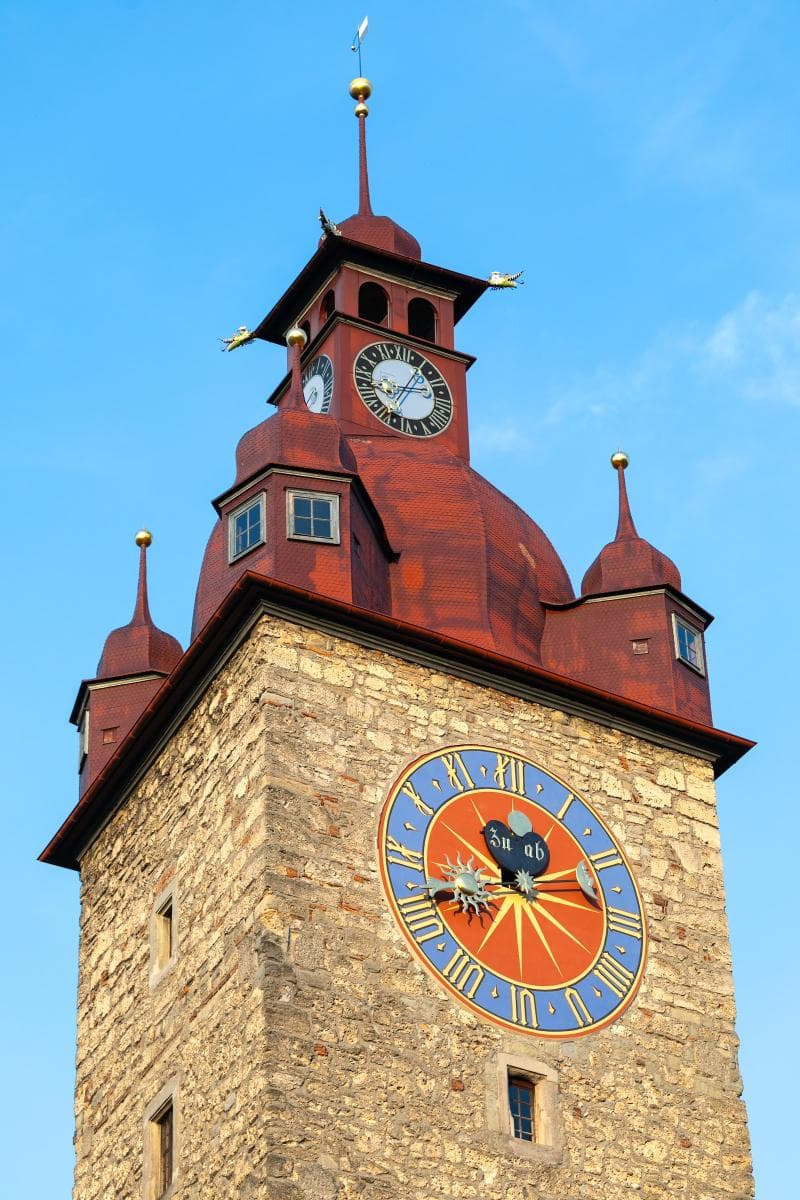
Explore Lucerne's historic guildhalls in Altstadt Luzern, Switzerland. Discover medieval architecture, cultural heritage, and fascinating stories.
Overview
Stepping into Lucerne's Altstadt, or Old Town, is like traversing a living museum, where every cobblestone street and painted facade whispers tales of centuries past. Among its most captivating architectural treasures are the historic guildhalls, known as 'Zunfthäuser'. These magnificent buildings once served as the bustling epicenters of medieval Lucerne's economic, political, and social life. Far from being mere relics, they stand proudly today, many repurposed as elegant restaurants or unique event venues, inviting modern-day travelers to connect with the city's rich heritage. They offer a tangible link to a bygone era when trade, craftsmanship, and community spirit shaped the very fabric of urban existence.
These guildhalls are not just buildings; they are storytellers, each with a distinctive character reflecting the specific trade or association it housed. From powerful merchant guilds to skilled artisans, these structures illuminate the organizational ingenuity and collective strength of medieval European society. Their enduring presence in the heart of Lucerne's pedestrian-friendly Old Town makes them an essential highlight for anyone seeking to understand the city's foundational history.
History & Cultural Background
The origins of Lucerne's guilds, and by extension their grand guildhalls, stretch back to the Middle Ages, with some associations forming as early as the 14th century. Guilds were paramount institutions, regulating trades, setting standards for craftsmanship, overseeing apprentice training, and protecting the economic interests of their members. They also played a significant role in local politics and fostered strong social bonds among their constituents.
A prime example is the Zunfthaus zu Pfistern, the house of the bakers' and millers' guild, founded in 1408. This building served as a crucial hub where members would convene to discuss business, set prices for bread and flour, and decide on new admissions. The Pfister Guild later welcomed boat crews in 1598 and pie bakers in 1697, illustrating the evolving nature of these professional bodies. Another notable institution was the Saffron Guild, which owned the Zunfthaus am Weinmarkt. Comprising merchants dealing in spices, this guild wielded considerable influence over trade during the Middle Ages. The Herren zu Schützen guild, dating back to the 14th century, began as an assembly of armed residents and maintained a tradition of conviviality and shooting well into the 18th century, with their guild house eventually becoming part of the Hotel des Balances. These guilds were integral to the daily life and governance of Lucerne, acting as powerful forces in commerce and civic affairs.
What Makes It Special
What makes Lucerne's guildhalls truly special is their remarkable preservation and the artistic detail that adorns them. Unlike many other European cities where such structures have been lost to time or modernization, several of Lucerne's guildhalls retain much of their original charm and architectural splendor. The Zunfthaus zu Pfistern, for instance, is celebrated for its extensive exterior fresco decoration, featuring a mural depicting a genealogical tree hung with coats of arms, a captivating visual history of its guild.
Similarly, the Zunfthaus am Weinmarkt showcases beautiful Gothic architectural elements. Its facade boasts ornate carvings and frescoes that depict scenes from Swiss folklore and mythology, including the legendary William Tell. Inside, visitors can marvel at intricate woodwork, panels, and beams that evoke the guild's activities, such as spice trading. These artistic embellishments are not merely decorative; they are narratives carved and painted into the very fabric of the city, offering a vibrant glimpse into the values, stories, and identities of the communities they served. The fact that many of these buildings are still actively used adds to their unique character, blending historical authenticity with contemporary life.
Stories, Fun Facts & Local Details
The guildhalls are steeped in fascinating stories and local color. Imagine the Saffron Guild members, powerful spice merchants, gathering in their hall, making decisions that influenced Lucerne's economy. The Zunfthaus am Weinmarkt even played a role in significant historical events, hosting meetings where representatives from different cantons convened, contributing to the formation of modern Switzerland after resisting Habsburg rule.
A particularly endearing tale belongs to the Zunfthaus zu Pfistern. After the guild was dissolved in 1875 and the house was sold, history came full circle in 1977 when the Lucerne Association of Pastry Bakers united to buy the property back, bringing it back to its original purpose. Today, it operates as a popular restaurant, serving Swiss specialties, ensuring that the legacy of the bakers' guild continues. Visitors can literally dine where medieval bakers once made crucial decisions about their trade. Another example is the Herren zu Schützen guild house, erected in 1709, which initially served as the summer residence of a lieutenant general before passing into the possession of the armed residents' guild. These buildings often sit on squares like the Weinmarkt, which was historically a significant marketplace and meeting point.
Visitor Perspective
For the curious traveler, exploring Lucerne's guildhalls is an immersive experience. Many of these historically rich buildings now house restaurants and cafes, offering a chance to dine in spaces once reserved for influential guild members. Imagine savoring traditional Swiss cuisine in a centuries-old setting, surrounded by the same walls that witnessed pivotal historical discussions and lively social gatherings.
The guildhalls are strategically located within the Altstadt, making them easily accessible on foot as part of a leisurely stroll through the picturesque old town. As you wander, you'll encounter other iconic landmarks such as the Chapel Bridge, the Weinmarkt, and Kornmarkt squares, all contributing to the enchanting medieval atmosphere. The intricate frescoes and unique architectural details on the facades are best appreciated at a relaxed pace. Visitors can expect not just a visual treat but a profound sense of connection to Lucerne's enduring past, understanding the foundations upon which this beautiful Swiss city was built.
Coordinates: 8.3082, 47.0517
View on Google Maps💬 How Travelers Describe This Place
Based on community votes
Photogenic
951Unique
748Beautiful
499Interesting
427Must See
94
Traveler Stories
Discover memorable experiences shared by travelers who have visited this place.
No traveler stories yet.
Be the first traveler to share what made this place memorable.

Tour
By
Spot
Discover amazing places around the world. Your journey starts here.
Explore
© 2026 TourBySpot. All rights reserved.