Guard Ceremony Area
Hanoi, Vietnam
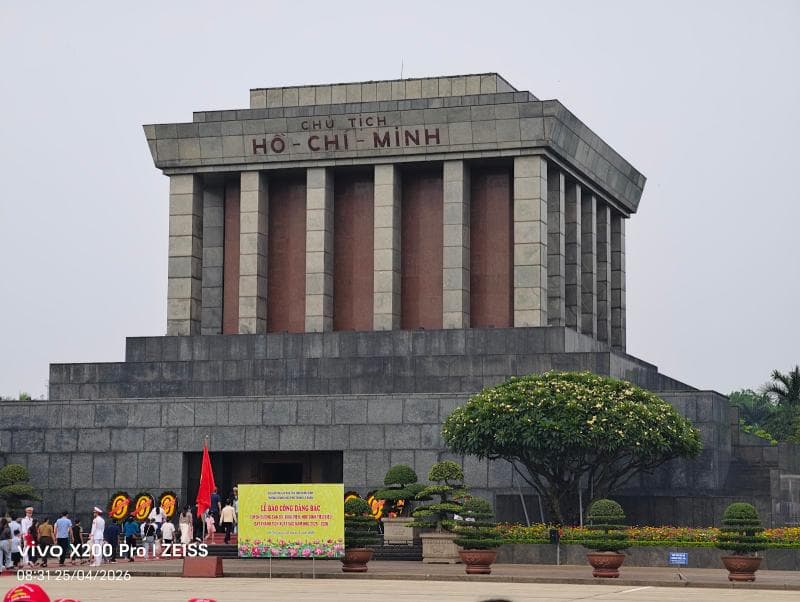
Witness the solemn Guard Ceremony Area at the Ho Chi Minh Mausoleum in Hanoi, Vietnam. Experience the precise changing of the guard and flag rituals.
Overview
The Guard Ceremony Area at the Ho Chi Minh Mausoleum in Hanoi, Vietnam, stands as a profound symbol of national pride and reverence. This significant site is not merely a memorial but a living testament to the enduring legacy of President Ho Chi Minh. Located within the expansive Ba Dinh Square, where Ho Chi Minh declared Vietnam's independence in 1945, the area is renowned for its solemn and meticulously executed ceremonies. Visitors come from across Vietnam and around the world to witness the daily flag-raising and flag-lowering rituals, as well as the impressive changing of the guard, performed by an elite honor unit of the Vietnamese People's Army. These ceremonies are a powerful display of military discipline, precise coordination, and deep respect for the nation's beloved leader, 'Uncle Ho'.
History & Cultural Background
The Ho Chi Minh Mausoleum holds immense historical and emotional significance for the Vietnamese people. Following President Ho Chi Minh's passing in 1969, a poignant decision was made by the Party and the people to preserve his body, despite his personal wish for cremation. This collective choice aimed to allow future generations a tangible way to remember and honor the leader who dedicated his life to Vietnam's independence. Construction of the mausoleum began in 1973 and it was formally inaugurated on August 29, 1975, just months after the end of the Vietnam War. Its design drew inspiration from Lenin's Mausoleum in Moscow but was thoughtfully adapted to incorporate distinct Vietnamese architectural elements, reflecting both solemnity and national identity. The presence of the honor guard is deeply rooted in this historical context, representing the nation's unwavering gratitude and the sacred duty to safeguard the memory of their founding father. Their disciplined movements underscore Vietnam's respect for order, tradition, and national pride.
What Makes It Special
What truly sets the Guard Ceremony Area apart is the breathtaking precision and unwavering synchronization displayed by the honor guards. Dressed in pristine white uniforms and red berets, these soldiers execute every movement with remarkable discipline, from their perfectly measured steps to their sharp turns. The changing of the guard ceremony, which takes place hourly, is a quiet yet profoundly powerful display of professionalism, carried out without spoken words, relying solely on military exactitude. Beyond this, visitors can witness the daily flag-raising ceremony at 6:00 AM (or 6:30 AM in winter) and the flag-lowering ceremony at 9:00 PM in Ba Dinh Square. These rituals are accompanied by the stirring melody of the national anthem and feature the 'Quyết thắng' flag (Victory Flag) held high, symbolizing Vietnam's enduring spirit. These meticulously choreographed events transform the Guard Ceremony Area into a dynamic stage for patriotic traditions, offering a deeply moving glimpse into the heart of Vietnamese national identity and its profound respect for Ho Chi Minh.
Stories, Fun Facts & Local Details
Behind the solemnity of the ceremonies lie fascinating stories and details that enrich the visitor's experience. President Ho Chi Minh is affectionately known as 'Uncle Ho' (Bac Ho) by the Vietnamese people, highlighting the paternal regard they hold for him. A poignant detail is the decision to preserve his body against his own wishes for cremation, reflecting the immense desire of the Vietnamese people for a permanent place of pilgrimage. The honor guards, sometimes referred to as 'sleep guardians', undergo months of rigorous training to achieve the flawless precision seen during their duties. Ba Dinh Square itself is steeped in history; it was here that Ho Chi Minh read the Declaration of Independence in 1945. The square is adorned with 240 green squares separated by pathways and features 79 cycads, thoughtfully representing President Ho Chi Minh's 79 years of life. This blend of historical significance, personal devotion, and military dedication makes the Guard Ceremony Area a truly unique cultural landmark.
Visitor Perspective
For visitors, approaching the Guard Ceremony Area is an experience that commands immediate respect and a sense of awe. The atmosphere is consistently solemn and dignified, with guards ensuring a peaceful environment. Observing the ceremonies from Ba Dinh Square offers a unique vantage point to appreciate the discipline and patriotism on display. To truly immerse oneself in the experience, it's advisable to arrive early, especially for the morning flag-raising, to secure a good viewing spot and avoid larger crowds. While photography is generally prohibited inside the mausoleum itself, capturing the majesty of the ceremonies and the architectural grandeur of the mausoleum from the surrounding square is permitted and encouraged. Visitors are expected to adhere to a modest dress code, covering shoulders and knees, as a sign of respect for this sacred site. The precision, silence, and profound cultural significance of the Guard Ceremony Area leave a lasting impression, transforming a visit from mere sightseeing into a deeply meaningful encounter with Vietnam's history and national spirit.
Coordinates: 105.83472, 21.03676
View on Google Maps💬 How Travelers Describe This Place
Based on community votes
Must See
998Unique
903Beautiful
481Interesting
458Photogenic
197
Traveler Stories
Discover memorable experiences shared by travelers who have visited this place.
No traveler stories yet.
Be the first traveler to share what made this place memorable.

Tour
By
Spot
Discover amazing places around the world. Your journey starts here.
Explore
© 2026 TourBySpot. All rights reserved.