Group Of Seven Collection
Toronto, Canada
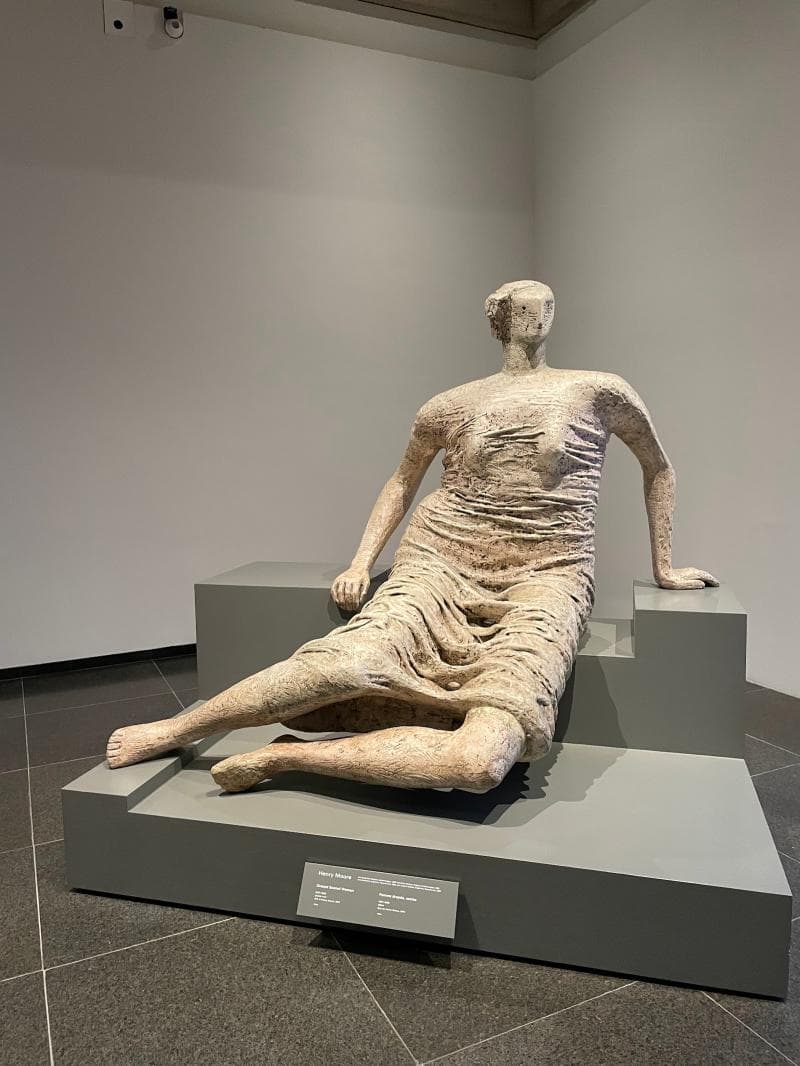
Discover the iconic Group of Seven Collection at the Art Gallery of Ontario in Toronto, Canada. Explore their foundational Canadian landscape paintings and artistic legacy.
Overview
Nestled within the vibrant heart of Toronto, Canada, the Art Gallery of Ontario (AGO) houses a collection of profound national significance: the Group of Seven Collection. This sub-spot within the larger gallery is a pilgrimage site for those seeking to understand the foundational aesthetics of Canadian art. The Group of Seven, a collective of pioneering landscape painters, transformed how Canadians perceived their vast and rugged country, imbuing its natural beauty with a distinctive artistic identity. Their works, characterized by bold brushstrokes and vivid palettes, are displayed prominently across Level 1 and within the dedicated Thomson Collection of Canadian Art on Level 2 of the AGO, offering visitors an immersive journey into Canada's artistic soul.
The AGO's extensive holdings, numbering over 120,000 works, feature the Group of Seven as a cornerstone of its Canadian art collection, emphasizing the institution's deep connection to these influential artists.
History & Cultural Background
The story of the Group of Seven began in the early 1910s in Toronto, where artists Franklin Carmichael, Lawren Harris, A. Y. Jackson, Franz Johnston, Arthur Lismer, J. E. H. MacDonald, and F. H. Varley, many of whom met at Grip Ltd., started to envision a new Canadian artistic expression. Driven by a desire to capture the raw, untamed spirit of Canada's wilderness, they frequently ventured north to places like Algonquin Park and the Algoma region, drawing inspiration from its ancient lakes, dense forests, and dramatic vistas.
Their artistic vision culminated in their inaugural exhibition at the Art Gallery of Toronto (now the AGO) on May 7, 1920. This landmark event was heralded as 'art for a nation,' signaling a significant departure from European artistic conventions and establishing a uniquely Canadian aesthetic. Though Tom Thomson, a close associate and profound influence on the group, tragically died in 1917, his spirit and style profoundly shaped their philosophy, making him an honorary member in artistic legacy. The Group of Seven remained active throughout the 1920s, exhibiting nationally and internationally, and the AGO was a staunch supporter, hosting eight of their exhibitions between 1920 and 1931. While the group officially disbanded in 1933, their impact on Canadian art history is immeasurable, solidifying their status as enduring symbols of the nation's artistic coming-of-age.
What Makes It Special
The Group of Seven Collection at the AGO is special because it encapsulates a pivotal moment in the development of Canadian identity through art. Their innovative approach to landscape painting—characterized by bold outlines, vibrant and sometimes non-naturalistic colours, and expressive brushwork—was revolutionary. They depicted the Canadian Shield, Arctic expanses, and boreal forests with an energy that conveyed both the sublimity and the ruggedness of the land.
These artists didn't just paint landscapes; they interpreted them, creating works that became synonymous with Canadian strength and resilience. The collection offers a rare opportunity to witness their artistic evolution, presenting both their intimate sketches and monumental finished oils. This side-by-side viewing reveals the artists' process and their deep connection to the landscapes they sought to immortalize, providing a comprehensive appreciation for their peers like Emily Carr and Tom Thomson, whose works are also often displayed nearby.
Stories, Fun Facts & Local Details
- The Group of Seven's first exhibition at the Art Gallery of Toronto in 1920 cost a mere twenty-five cents for admission.
- Initial critical reactions to their work were mixed; some critics famously asked, 'are these new Canadian painters crazy?' while others acknowledged their 'excellent work'.
- Lawren Harris, a key member, was instrumental in providing financial support for the group and establishing the Studio Building in 1914, serving as a hub for their artistic community.
- J.E.H. MacDonald's painting 'The Tangled Garden' caused a stir when it debuted in 1916, prompting one critic to accuse the artist of 'throwing his paint pots in the face of the public.'
- Beyond their artistic contributions, members of the Group significantly influenced the AGO's development. Arthur Lismer, for instance, launched highly successful Saturday morning art classes for children at the AGO in 1929, fostering a new generation of creative expression. Demand for these classes was so high that children would line up around the block.
Visitor Perspective
For visitors to the Art Gallery of Ontario, exploring the Group of Seven Collection is an inspiring and deeply Canadian experience. As you walk through the galleries on Level 1 and Level 2, particularly within the Thomson Collection, you're not merely viewing paintings; you're stepping into a visual narrative of a nation's identity. The collection allows for an intimate engagement with their diverse body of work, from the powerful, sweeping vistas to the smaller, more personal sketches that capture immediate impressions of the Canadian environment.
It's an opportunity to connect with the passion and innovative spirit of these artists who dared to forge a new path for Canadian art, away from established European traditions. The sheer scale and depth of the AGO's holdings mean that every visit offers a chance to discover new nuances in their celebrated works, gaining a deeper appreciation for the rugged beauty of Canada and the cultural heritage it inspired.
Coordinates: -79.39278, 43.65361
View on Google Maps💬 How Travelers Describe This Place
Based on community votes
Beautiful
981Unique
617Interesting
357Photogenic
147Must See
28
Traveler Stories
Discover memorable experiences shared by travelers who have visited this place.
No traveler stories yet.
Be the first traveler to share what made this place memorable.

Tour
By
Spot
Discover amazing places around the world. Your journey starts here.
Explore
© 2026 TourBySpot. All rights reserved.