Grič Tunnel Entrance Nearby
Zagreb, Croatia
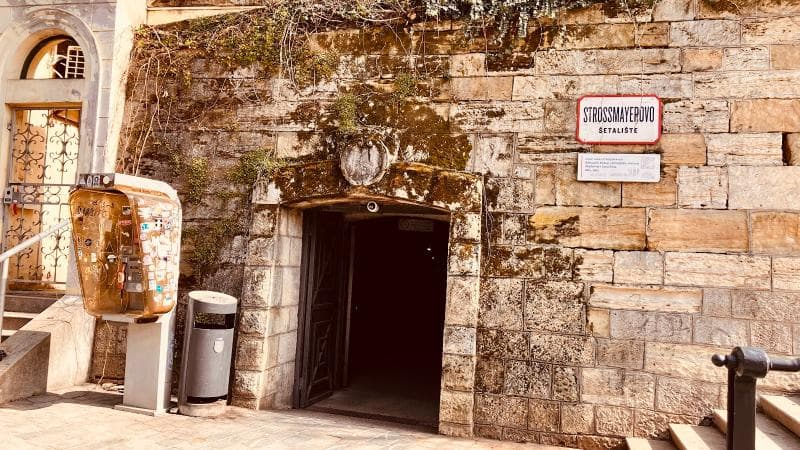
Explore Grič Tunnel Entrance Nearby Lotrščak Tower in Zagreb, Croatia. Discover its WWII history, cultural events, and unique underground charm.
Overview
Beneath the charming historic streets of Zagreb, Croatia, lies the Grič Tunnel, a fascinating pedestrian passage that has evolved from a wartime necessity into a vibrant cultural hub. This unique underground artery stretches approximately 350 meters, connecting Mesnička Street on the west with Radićeva Street on the east, deep beneath the Upper Town's Grič (Gradec) neighborhood. It also features southern exits leading toward Ilica and Tomićeva Street, notably opening into the scenic Art Park. The entrance 'nearby' Lotrščak Tower refers to its close proximity to the Upper Town's popular landmarks, making it an integral part of exploring this historic area. Freely accessible and open daily, the tunnel offers a cool respite from the summer heat and a quick pedestrian shortcut, immersing visitors in a compelling blend of history and contemporary art.
History & Cultural Background
The Grič Tunnel's origins are deeply rooted in Zagreb's tumultuous past. Its construction commenced in 1943 during World War II, initially serving as a public bomb shelter for civilians against Allied air raids. After the war, the tunnel largely fell into disuse and neglect for decades. However, its historical significance resurfaced during the Croatian War of Independence (1991-1995), when it once again provided refuge for the local population.
Beyond its utilitarian purposes, the tunnel has a surprising cultural history. In 1993, it gained notoriety for hosting one of Croatia's first rave parties, the 'Under City Rave', an unauthorized event that attracted thousands and symbolized resilience during a challenging period for the city. Following extensive renovation, the Grič Tunnel officially reopened to the public in 2016, transforming it into a prominent tourist attraction and a dynamic space for cultural events, art installations, and multimedia projects.
What Makes It Special
What truly sets the Grič Tunnel apart is its remarkable versatility and ability to blend its solemn past with a lively present. Functionally, it serves as an excellent pedestrian shortcut, allowing travelers to traverse a significant portion of the Upper Town quickly and in comfort, especially desirable during hot summer days when its interior maintains a refreshing coolness.
Culturally, the tunnel frequently transforms into an imaginative exhibition space. Its broad central hall, measuring up to 5.5 meters in width, provides an ideal canvas for various displays, including light installations, art shows, and themed events like the 'Polar Dream' during Advent in Zagreb. Walking through, visitors can still spot remnants of original wartime warning signs on its walls, offering a tangible connection to its history and adding an authentic layer to the experience.
Stories, Fun Facts & Local Details
The Grič Tunnel is rich with stories and intriguing details. One of the most famous anecdotes involves the legendary 'Under City Rave' of 1993, a testament to Zagreb's spirit and creativity even amidst conflict. The tunnel's reputation for harboring secrets is further fueled by urban legends suggesting the existence of walled-off corridors leading to significant landmarks like the Croatian Parliament and the Zagreb Observatory.
Historically preserved warning signs, such as 'Do not spit on the floor!' and 'Give up your seat to the elderly!', serve as quaint reminders of the wartime etiquette expected of those seeking shelter. During the festive Advent season, the tunnel becomes a magical wonderland, adorned with elaborate light installations and themed decorations, drawing crowds to experience its unique 'Polar Dream' atmosphere. While primarily a historical and cultural site, some visitors have reported a curious sensation of chills or even whispers within its depths, adding a touch of mystery to this subterranean journey.
Visitor Perspective
For the curious traveler, the Grič Tunnel offers an accessible and enriching experience. Entrance is free, and it is generally open from 9 AM to 9 PM daily, allowing for flexible visits. A walk through the tunnel typically takes about 5 to 20 minutes, depending on your pace and whether you pause to appreciate any ongoing exhibitions. Its naturally cool temperature makes it an ideal escape from the heat, and it provides an excellent opportunity to combine with other nearby Upper Town attractions.
The tunnel's strategic location means it's often included in walking tours that encompass the iconic Lotrščak Tower, the charming Strossmayer Promenade, the artistic haven of Art Park, and the unique Museum of Broken Relationships, all reachable via the historic Zagreb Funicular. While the tunnel's concrete structure might appear simple without an active exhibition, its historical weight and unique atmosphere make it a worthwhile stop for anyone looking to delve deeper into Zagreb's past and present.
Coordinates: 15.97306, 45.81474
View on Google Maps💬 How Travelers Describe This Place
Based on community votes
Unique
872Beautiful
846Interesting
684Photogenic
363Must See
87
Traveler Stories
Discover memorable experiences shared by travelers who have visited this place.
No traveler stories yet.
Be the first traveler to share what made this place memorable.

Tour
By
Spot
Discover amazing places around the world. Your journey starts here.
Explore
© 2026 TourBySpot. All rights reserved.