Great Rift Valley
Singapore, Singapore
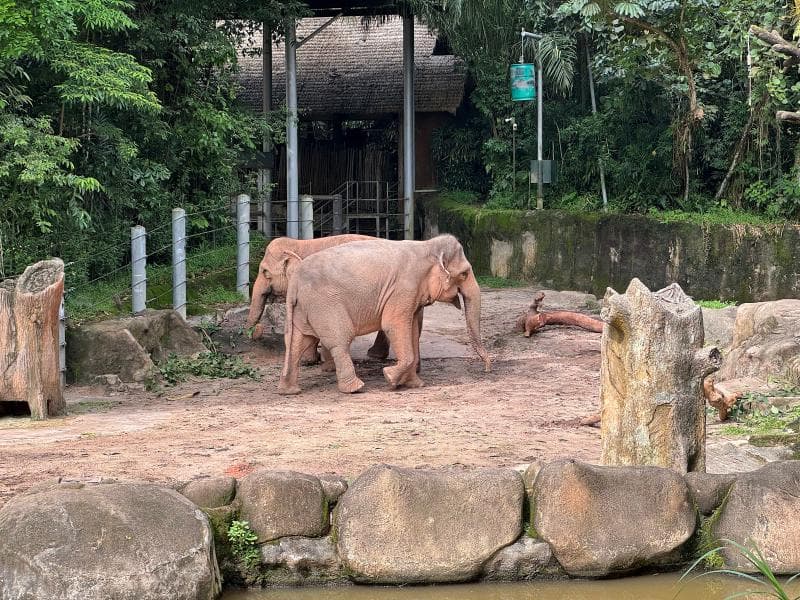
Explore the Great Rift Valley of Ethiopia at Singapore Zoo, a unique exhibit showcasing African wildlife like baboons and ibexes, alongside rich Ethiopian culture. Discover this fascinating zone in Singapore, Singapore.
Overview
The Great Rift Valley of Ethiopia exhibit within the Singapore Zoo offers a compelling journey into the unique landscapes, diverse wildlife, and rich cultural heritage of East Africa. Spanning 8,000 square meters, this meticulously designed zone transports visitors to the dry savannah bioclimatic zone of Ethiopia, replicating its dramatic geology and vibrant ecosystem. It stands as a testament to the Singapore Zoo's commitment to creating immersive, naturalistic habitats that educate and inspire, allowing a glimpse into a world far removed from Singapore's tropical climate.
Here, the rugged terrain and arid beauty are brought to life, featuring steep cliffs and rock faces that echo the majestic mountains and diverse topography of the actual Great Rift Valley. It's an experiential space that combines animal welfare with an engaging visitor experience, showcasing species like the intelligent Hamadryas baboons, the agile Nubian ibexes, curious meerkats, and elusive rock hyraxes.
History & Cultural Background
The Great Rift Valley of Ethiopia exhibit was conceived as part of the Singapore Zoo's innovative 'open concept' design philosophy, which began shaping the zoo's landscape from its opening in 1973. This approach prioritizes naturalistic habitats over traditional cages, using hidden barriers, moats, and glass to create a seamless experience for both animals and visitors.
Officially opened in 2001, the exhibit was inspired by the geological marvel of the Great Rift Valley, a continental crack formed by tectonic forces over 40 million years ago, visible even from space. Beyond its geological significance, the exhibit delves into Ethiopia's profound cultural history. Visitors can explore rustic dwelling huts, including mud-walled Konso and stone-walled Amharic village replicas, providing insights into the lives of these Ethiopian communities. These cultural elements, such as grain storage huts raised on stilts to protect against dampness and termites, and goat kraals within the Amharic huts for protection from predators, offer a meaningful cultural context.
The exhibit also nods to Ethiopia's ancient past as the 'cradle of civilisation,' referencing the Danakil Depression, a site within the northern Great Rift Valley where the 3.2 million-year-old fossil 'Lucy' was discovered.
What Makes It Special
What truly sets the Great Rift Valley of Ethiopia apart is its immersive blend of geology, wildlife, and culture. It's an 8,000 square meter space that expertly recreates the dry savannah bioclimatic zone, complete with dramatic rocky escarpments that simulate the baboons' natural habitat. This enables visitors to witness animals like the large troop of Hamadryas baboons and a herd of nimble Nubian ibexes thriving in an environment that mimics their ancestral homes.
The integration of cultural replicas, such as traditional Konso and Amharic village huts, coffee huts, and waga statues, adds layers of authenticity and educational value. These architectural details are not mere decorations; they represent traditional practices and ways of life, offering a deeper understanding of the human element connected to this ancient land. The exhibit's dedication to creating a holistic experience, encompassing both the natural and cultural history of the region, makes it a uniquely enriching destination within the zoo. The recent welcoming of serval kittens to the exhibit further highlights its dynamic and thriving ecosystem.
Stories, Fun Facts & Local Details
The Hamadryas baboons are a highlight, with males developing a distinctive long, silvery mane upon reaching puberty, making them appear significantly different from females. They exhibit complex social structures, living in troops composed of clans and bands, where males often lead harems of females. These intelligent primates are known to approach the glass viewing panels, offering curious visitors a close-up, almost human-like gaze. Historically, Hamadryas baboons were revered by ancient Egyptians as representatives of Thoth, the god of science and writing, earning them the title of 'sacred baboons'.
The Nubian ibexes, with their impressive curved horns, are perfectly adapted to the rugged cliffs, showcasing their remarkable agility. The smaller residents, like meerkats and rock hyraxes, often charm visitors with their social behaviors and keen vigilance. The meticulous design of the habitat, including the grain storage huts on stilts, demonstrates practical wisdom in protecting resources, while the goat kraals within homes highlight the close relationship between people and their livestock in traditional Ethiopian villages.
Visitor Perspective
Exploring the Great Rift Valley of Ethiopia is an immersive journey that appeals to both adults and children. The exhibit's design allows for excellent viewing opportunities, enabling visitors to observe the animals' natural behaviors in spacious, well-maintained environments. The rocky escarpments provide the animals with ample space to climb and interact, making for dynamic and engaging observations.
Visitors often find themselves captivated by the antics of the baboons and the graceful movements of the ibexes. The cultural installations add another dimension, offering a peaceful and educational counterpoint to the vibrant animal displays. It's a place where one can pause, reflect on the interconnectedness of nature and culture, and appreciate the conservation efforts of the Singapore Zoo. The exhibit successfully transports one to the heart of Ethiopia, making it a memorable part of any visit to the Singapore Zoo.
Coordinates: 103.79414, 1.40371
View on Google Maps💬 How Travelers Describe This Place
Based on community votes
Must See
951Beautiful
491Unique
414Photogenic
310Interesting
277
Traveler Stories
Discover memorable experiences shared by travelers who have visited this place.
No traveler stories yet.
Be the first traveler to share what made this place memorable.

Tour
By
Spot
Discover amazing places around the world. Your journey starts here.
Explore
© 2026 TourBySpot. All rights reserved.