Great Courtyard
Helsinki, Finland
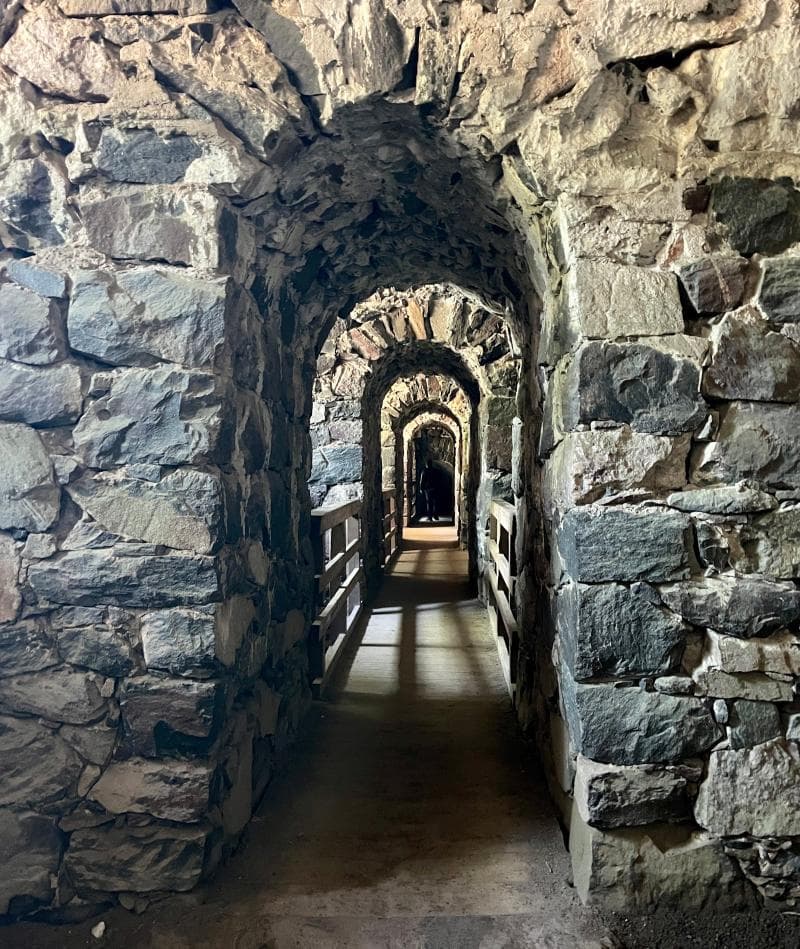
Discover the Great Courtyard (Suuri Piha) in Suomenlinna, Helsinki, Finland. Explore its rich history, unique architecture, and cultural significance.
Overview
The Great Courtyard, known locally as Suuri Piha, stands as the historical heart of Suomenlinna, a magnificent sea fortress and UNESCO World Heritage site nestled in the archipelago off Helsinki, Finland. Conceived in the 1760s by the fortress's visionary founder, Augustin Ehrensvärd, this expansive square was designed to be much more than just an open space. It served as the crucial administrative and social hub for the entire fortress community, surrounded by key buildings that underscored its importance. Today, it remains a central and evocative landmark, inviting visitors to step back in time and experience the layers of history etched into its cobblestones.
History & Cultural Background
The story of the Great Courtyard is intrinsically linked to the larger narrative of Suomenlinna, originally named Sveaborg or Viapori. Construction of the fortress began in 1748 under Swedish rule, intended as a formidable defensive bulwark against Russian expansion in the Baltic Sea. Augustin Ehrensvärd, a Swedish admiral and military architect, masterminded the fortress's design, with the Great Courtyard being one of his crowning achievements, completed in the 1760s. This square was strategically positioned and bordered by essential structures, including the Commandant's House, which served as the residence for the fortress commandants, and the main guardhouse. The courtyard witnessed critical historical periods, including significant damage during the Crimean War bombardment in 1855, when Anglo-French forces attacked the Russian-held fortress. After Finland gained independence, Sveaborg was renamed Suomenlinna in 1918, meaning 'Fortress of Finland', signifying a new chapter in its long history.
What Makes It Special
The Great Courtyard's allure lies in its unique blend of military history, poignant memorials, and architectural ingenuity. At its very center rests the tomb of Augustin Ehrensvärd, a lasting tribute to the man who envisioned and brought Suomenlinna into existence. The design of this monument was a collaborative effort involving King Gustav III, artist Johan Tobias Sergel, and Carl August Ehrensvärd, adding to its artistic significance. The former Commandant's House, a stately building bordering the square, now hosts the Ehrensvärd Museum, preserving artifacts and stories from the fortress's past. A subtle but remarkable feature of the courtyard's original design was the use of 'false perspective,' an architectural trick intended to make the space appear larger and more imposing than it truly was. Furthermore, the Local Major's House on the northern edge of the square stands as one of Helsinki's oldest small apartment buildings still actively in residential use, a testament to Suomenlinna's enduring community. As part of the greater Suomenlinna sea fortress, the Great Courtyard shares in the prestige of being a UNESCO World Heritage site, recognized for its outstanding universal value as an example of 18th-century military architecture.
Stories, Fun Facts & Local Details
Suomenlinna, and by extension the Great Courtyard, is rich with tales that bring its stones to life. Originally known as Sveaborg, the 'Fortress of Sweden,' and later Viapori, it was eventually christened Suomenlinna, 'Fortress of Finland,' reflecting its integral role in Finnish identity. The fortress earned the impressive moniker 'Gibraltar of the North' due to its once formidable and supposedly impregnable defenses. Beyond its military past, Suomenlinna is a living, breathing community, home to approximately 800 to 900 residents, making it a unique maritime district of Helsinki. Not far from the Great Courtyard, the Suomenlinna Church, originally built as an Orthodox garrison church, was later converted to a Lutheran church. Its steeple performs a dual role, serving as a lighthouse whose signal blinks the Morse code for the letter 'H' for Helsinki. Another historical marvel nearby is the dry dock, one of the oldest operating basin docks in the world, highlighting the fortress's naval significance throughout centuries. A fascinating local detail is Suomenlinna's unique address system, which foregoes traditional street names in favor of island codes and house numbers.
Visitor Perspective
Visiting the Great Courtyard offers a profound journey into Finland's past. To reach this historic gem, travelers embark on a scenic 15-minute ferry ride from Helsinki's Market Square. Upon arrival at the main pier, the Great Courtyard is about a kilometer's walk, part of the well-marked Blue Route, allowing visitors to soak in the island's atmosphere. The experience is immersive, with cobblestone paths that hint at centuries of footsteps, so comfortable and sturdy walking shoes are highly recommended. Guided tours are available year-round, offering deeper insights into the fortress's history and its myriad stories, with daily tours during the summer months. The Great Courtyard presents a different charm with each season, from the vibrant energy of summer to the serene, snow-dusted tranquility of winter, making it a captivating destination no matter when you visit. Guests should note that there is no luggage storage available on the island, so it is advisable to pack light for an enjoyable exploration.
Coordinates: 24.98444, 60.14361
View on Google Maps💬 How Travelers Describe This Place
Based on community votes
Interesting
836Photogenic
797Unique
255Must See
231Beautiful
86
Traveler Stories
Discover memorable experiences shared by travelers who have visited this place.
No traveler stories yet.
Be the first traveler to share what made this place memorable.

Tour
By
Spot
Discover amazing places around the world. Your journey starts here.
Explore
© 2026 TourBySpot. All rights reserved.