Government Buildings
Astana, Kazakhstan
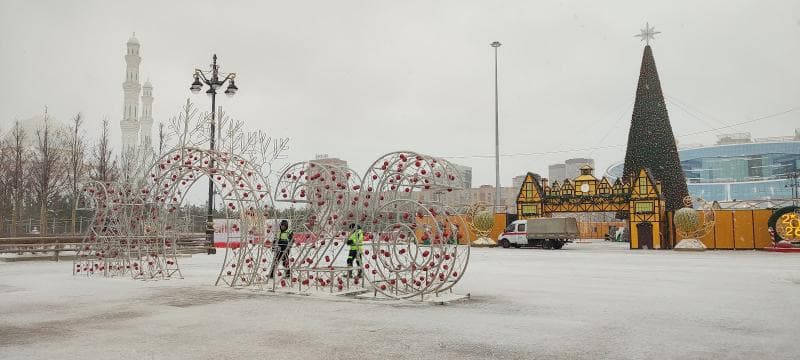
Explore the iconic Government Buildings surrounding Independence Square in Astana, Kazakhstan, a symbol of national pride and modern architecture.
Overview
Independence Square in Astana, Kazakhstan, is more than just a vast open space; it's the symbolic heart of the nation's capital and a grand testament to its sovereignty and aspirations. This central point of attraction, also known as Kazakh Eli Square, is where major state celebrations, national parades, and large-scale public festivities unfold. Paved with light granite and marble, the square serves as a magnificent stage, meticulously designed to reflect Kazakhstan's modern urban landscape and its rich cultural heritage.
While Independence Square itself is an expansive public area, it is flanked by an impressive ensemble of iconic governmental and cultural institutions that collectively form a powerful statement of national identity and governance. These include the stately Ak Orda Presidential Palace, the functional House of Ministries, and significant cultural landmarks like the Palace of Independence, the Palace of Peace and Reconciliation, and the National Museum of the Republic of Kazakhstan. The architectural grandeur of these structures, often futuristic in design, makes the square a captivating destination for visitors.
History & Cultural Background
The story of Independence Square is intrinsically linked to Astana's rapid transformation into Kazakhstan's capital. Astana, formerly Akmola, was declared the capital in 1997, marking the beginning of an ambitious urban development project. The construction of the new administrative center, including the areas around what would become Independence Square, commenced around 2000.
Independence Square and its crowning glory, the Kazakh Eli Monument, were officially inaugurated in October 2009, symbolizing the young nation's progress and independence. The square was conceived as a space that would not only host significant national events but also embody the spirit of modern Kazakhstan. Its design, by leading domestic architects, aimed to create a monumental public space that blends global architectural trends with distinct national symbolism.
What Makes It Special
The centerpiece of Independence Square is undoubtedly the majestic Kazakh Eli Monument. This towering white marble stele, reaching exactly 91 meters in height, is not just an architectural marvel but a profound symbol. The number '91' deliberately references 1991, the year Kazakhstan declared its state sovereignty. Crowning the stele is a gilded figure of the mythical Samruk bird, a legendary creature believed to be a guardian and messenger of prosperity, adding a layer of deep cultural meaning to the monument.
Surrounding the square, the collection of government buildings and cultural landmarks makes it truly special. The Palace of Independence, opened in 2008, serves as a venue for official state functions, housing a congress hall, a press center, and even a museum dedicated to Astana's history. The striking, pyramid-shaped Palace of Peace and Reconciliation, designed by the renowned British architect Norman Foster, stands as a global symbol of interfaith dialogue and tolerance, hosting the triennial Congress of Leaders of World and Traditional Religions. These structures, alongside the National Museum and the Hazret Sultan Mosque, create an unparalleled architectural panorama that speaks volumes about Kazakhstan's vision and ambition.
Stories, Fun Facts & Local Details
Beyond its grand appearance, Independence Square holds many stories and local details. The square is a favorite location for significant national holidays. For instance, Defender of the Fatherland Day, Constitution Day, and the spring festival of Nauryz are often celebrated here with parades and cultural events, transforming the space into a vibrant hub of national pride and communal gathering. Imagine the sight of the square transforming into a historical village, as it did in September 2015 to commemorate the 550th anniversary of the Kazakh Khanate, offering a tangible connection to the nation's rich past.
For those who love photography, the square is a dream come true. The open space allows for capturing the Kazakh Eli monument from various angles, and the futuristic buildings in the background provide truly impressive shots, especially as the marble and gold of the monument glow in the rays of the setting sun. It's a place where the modern pulse of Astana beats strongest, yet its symbolism is deeply rooted in the traditions and aspirations of the Kazakh people.
Visitor Perspective
Visiting Independence Square offers a unique opportunity to grasp the scale and ambition of Astana's urban planning. The vastness of the square, combined with the towering governmental and cultural edifices, creates a powerful sense of awe. Walking through this area allows a traveler to feel the atmosphere of the new capital, appreciate its grandeur, and understand the core values of modern Kazakhstani society.
It is easily accessible, located in the Almaty district of the capital, with numerous bus stops nearby for landmarks like the National Museum or the Hazret Sultan Mosque. Whether you come early in the morning to enjoy the quiet solemnity or in the evening when the city lights illuminate the grand structures, Independence Square provides a profound and visually stunning experience, making it an essential stop for any traveler seeking to understand the heart of Astana.
Coordinates: 71.47, 51.121944
View on Google Maps💬 How Travelers Describe This Place
Based on community votes
Must See
996Unique
673Photogenic
186Beautiful
143Interesting
80
Traveler Stories
Discover memorable experiences shared by travelers who have visited this place.
No traveler stories yet.
Be the first traveler to share what made this place memorable.

Tour
By
Spot
Discover amazing places around the world. Your journey starts here.
Explore
© 2026 TourBySpot. All rights reserved.