Glico Sign
Osaka, Japan
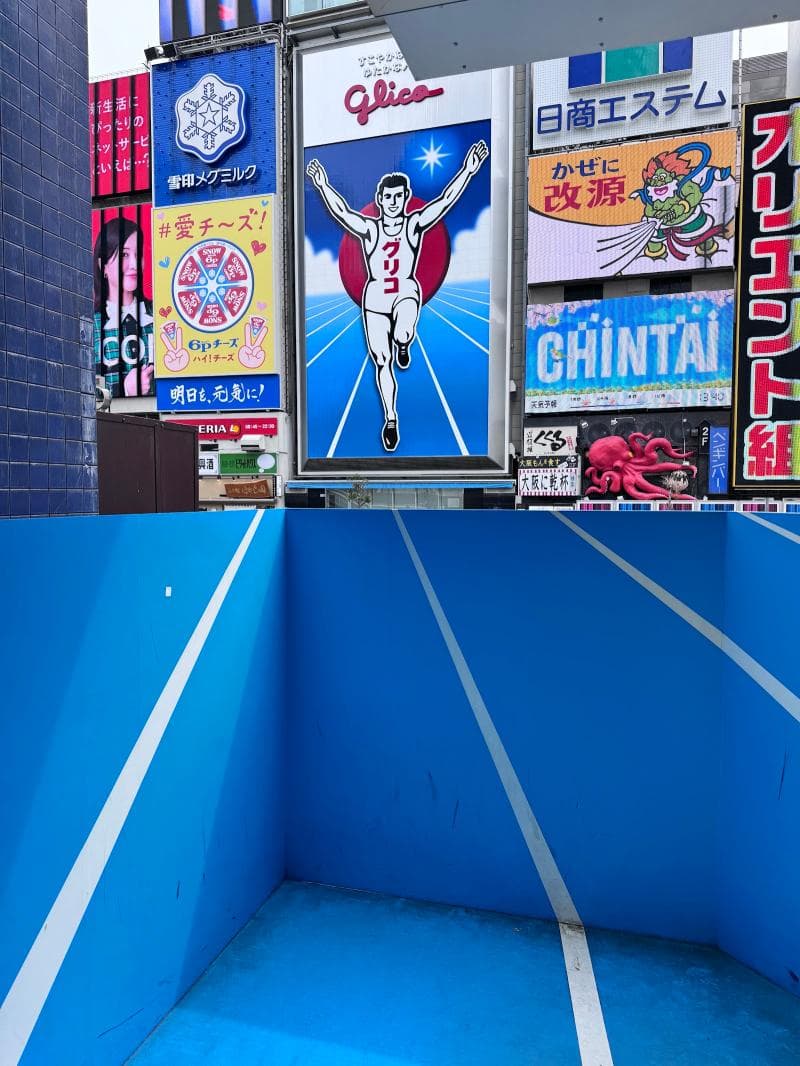
Discover the iconic Glico Sign in Dotonbori, Osaka, Japan. Learn its history, cultural significance, and what makes this triumphant runner a symbol of the city's vibrant energy.
Overview
In the vibrant heart of Osaka's Dotonbori district, an iconic landmark stands tall, illuminating the night sky with its dynamic glow: the Glico Sign. More than just an advertisement, this colossal billboard featuring a triumphant runner has become a powerful symbol of Osaka's energetic spirit, resilience, and celebratory atmosphere. Situated prominently above the Dotonbori Canal, near the bustling Ebisubashi Bridge, the Glico Sign beckons travelers from around the globe, drawing them into the lively pulse of Japan's culinary and entertainment capital. It's a must-see for anyone seeking to experience the unique blend of history, culture, and modern vibrancy that defines Osaka.
The sign's enduring presence and cheerful depiction of an athlete in a victory pose embody the city's tenacious character, making it one of the most photographed spots in Japan. Visitors often gather on the Ebisubashi Bridge, recreating the runner's distinctive pose, creating a shared moment of triumph and connection with this beloved local icon.
History & Cultural Background
The story of the Glico Sign is deeply intertwined with the history of both the Ezaki Glico Company and the Dotonbori district itself. The confectionery company, founded in Osaka in 1922, first introduced its signature Glico Caramel, which was famously advertised as providing enough energy to run 300 meters. This concept of vitality and achievement laid the groundwork for the running man motif.
The original Glico Man billboard was first erected in Dotonbori in 1935, a time when the district was already a thriving entertainment hub. Dotonbori's own history dates back to 1612, when a local merchant, Yasui Doton, initiated a canal project to boost commerce. Although he perished during the Siege of Osaka, his cousins completed the canal, which was then named 'Dotonbori' ('Doton Canal') in his honor. By 1621, it had been designated Osaka's primary entertainment district, flourishing with kabuki and bunraku theaters, and later, restaurants and teahouses catering to theater-goers.
The Glico Sign, originally a neon display, became an immediate landmark. It has undergone several transformations over the decades, reflecting technological advancements and societal changes. During World War II, the sign was temporarily removed as materials were repurposed for the war effort, only to be rebuilt and relit as a powerful symbol of post-war recovery and optimism. This resilience mirrors Osaka's own ability to rebuild and thrive, making the sign a poignant emblem of the city's spirit.
What Makes It Special
What sets the Glico Sign apart is its remarkable ability to transcend its commercial origins and become a cultural phenomenon. It is not merely an advertisement; it is a dynamic piece of urban art that has evolved with the times while retaining its core message of victory and perseverance. The current version, unveiled in 2014, is the sixth iteration and utilizes advanced LED technology. This allows for vivid animations, changing backgrounds that depict Osaka's famous landmarks like Osaka Castle and Tsutenkaku Tower, and even seasonal themes or special celebratory displays.
The sign's scale, measuring approximately 20 meters tall and 10 meters wide, makes it an undeniable focal point in Dotonbori's dazzling landscape. Its location overlooking the Dotonbori Canal, surrounded by other extravagant neon signs and mechanized restaurant facades, contributes to the area's famously vibrant and slightly chaotic charm. The Glico Sign truly embodies Osaka's nickname, 'Japan's Kitchen,' and its 'kuidaore' (eat until you drop) culture, representing the city's unapologetically lively and joyful character.
Stories, Fun Facts & Local Details
The Glico Man's origins are rooted in a charming advertising premise: that Glico caramel candy could provide enough energy to run a 300-meter dash, an early example of marketing linking a product to athletic performance and vitality. While the exact inspiration for the runner's face has multiple theories, some suggest it's a composite, or even possibly inspired by real athletes of the era.
Locals and visitors alike embrace the Glico Man with immense affection. It's common to see people posing on Ebisubashi Bridge, arms raised high in emulation of the runner's victorious stance, capturing a quintessential Osaka travel photo. This 'Glico Man pose' has become a ritual for tourists and a symbol of local pride. The sign also acts as a barometer for the city's mood; it has been temporarily altered to celebrate major events, such as when Japan hosted the Soccer World Cup, or to show support for Osaka's beloved baseball team, the Hanshin Tigers, especially during their championship victories.
Visitor Perspective
To truly appreciate the Glico Sign, a visit to Dotonbori, especially after sunset, is essential. As dusk falls, the district transforms into a dazzling spectacle of neon lights, and the Glico Sign takes center stage, its bright LED display reflecting beautifully on the canal's surface. The best vantage point for photos and soaking in the atmosphere is undoubtedly the Ebisubashi Bridge, often referred to as 'Glico Man Bridge' by visitors.
Standing on the bridge, surrounded by the lively sounds of street food vendors, bustling crowds, and the general cacophony of Dotonbori, provides an immersive experience. It's a place where you can feel the energetic pulse of Osaka, witness its unique blend of tradition and modernity, and capture a memorable photo with one of Japan's most recognizable landmarks. The Glico Sign is not just a point of interest; it's an experience that encapsulates the fun, vibrant, and welcoming spirit of Osaka.
Coordinates: 135.50106, 34.66893
View on Google Maps💬 How Travelers Describe This Place
Based on community votes
Must See
995Unique
839Beautiful
388Interesting
289Photogenic
141
Traveler Stories
Discover memorable experiences shared by travelers who have visited this place.
No traveler stories yet.
Be the first traveler to share what made this place memorable.

Tour
By
Spot
Discover amazing places around the world. Your journey starts here.
Explore
© 2026 TourBySpot. All rights reserved.