Glass Pavilion
Basel, Switzerland
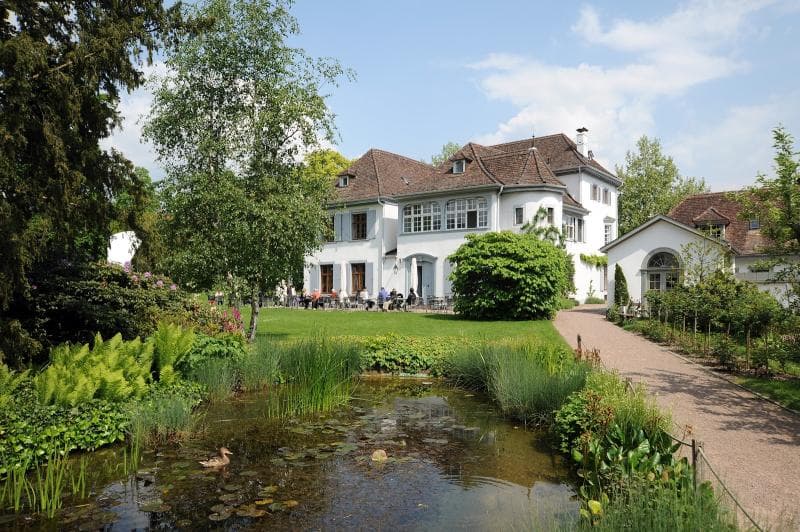
Discover the Glass Pavilion at Fondation Beyeler in Basel, Switzerland. Renzo Piano's museum design blends art, nature, and light beautifully.
Overview
The Fondation Beyeler, nestled in Riehen near Basel, Switzerland, is celebrated not only for its world-class collection of modern and contemporary art but also for its distinctive architecture, often described as a 'Glass Pavilion'. Designed by the renowned Italian architect Renzo Piano, the museum building itself embodies a harmonious blend of art, nature, and light. It stands as a prime example of how architecture can enhance the experience of viewing art by drawing the outside world in.
This 'Glass Pavilion' aspect refers to the building's striking use of glass, particularly its sophisticated roof system and expansive windows. The design allows natural light to permeate the exhibition spaces and offers visitors panoramic views of the surrounding Berower Park, complete with ancient trees and tranquil water lily ponds. The museum is a cultural landmark, inviting travelers to immerse themselves in a serene environment where art and the natural landscape seamlessly intertwine.
History & Cultural Background
The genesis of the Fondation Beyeler and its glass-infused design began with the vision of art dealers Ernst and Hildy Beyeler. Over five decades, they amassed an extraordinary collection of classical modern art and commissioned Renzo Piano in the early 1990s to create a fitting home for it.
Ernst Beyeler's profound appreciation for natural light and his desire for the museum to be deeply integrated with its picturesque surroundings were central to the architectural brief. Piano's design, which broke ground in 1994 and opened its doors in October 1997, sought to create a museum that 'interprets the quality of the collection and defines its relationship with the outside world,' playing an active yet non-aggressive role.
The museum is set within the 18th-century Villa Berower's park, a location chosen for its inherent connection to nature. Piano's architectural solution saw the construction of a long, elegant building, characterized by four parallel walls clad in red porphyry stone, with a floating glass roof and extensive glass facades that establish a continuous dialogue between the artworks and the natural environment.
What Makes It Special
What truly makes the Fondation Beyeler a special 'Glass Pavilion' is Renzo Piano's masterful manipulation of light and space. The museum's glass roof, a true 'machine for zenithal light,' softly filters direct sunlight, protecting the art while creating an inviting and ever-changing ambiance. This intricate roof structure consists of multiple layers of glass and a system of 864 sun slats, ensuring optimal natural illumination throughout the galleries.
The museum's large, floor-to-ceiling windows, some measuring 6.8 meters wide and 5 meters high, blur the boundaries between indoors and outdoors. They allow visitors to gaze upon the park's ancient trees, cornfields, and vineyards, making the surrounding landscape an integral part of the exhibition experience. This seamless visual connection means that art, architecture, and nature are in constant, captivating interplay.
The use of Argentine Patagonian porphyry stone for the external walls, a material with a texture and hue reminiscent of Basel Cathedral, also grounds the contemporary structure in local history and geology, adding another layer to its unique character.
Stories, Fun Facts & Local Details
Ernst Beyeler's innovative spirit extended beyond collecting art; he was also one of the co-founders of Art Basel, the renowned international art fair. His vision for the museum was to create a place where art could be experienced in an 'intimate character,' accessible on one level, and in harmony with its natural setting. The fact that the entire building needed to be partly sunk into the ground to achieve this harmonious merger with the landscape is a testament to this commitment.
A delightful feature is the serene winter garden, encased in glass along the western side of the museum, providing a contemplative space for visitors. The meticulously planned interior ensures that all technical and design elements that might distract from the art, such as emergency exit lights or air-conditioning sensors, are discreetly hidden within the hollow walls, emphasizing the purity of the art-viewing experience.
Visitors often comment on how the changing weather and light outside subtly transform the perception of the artworks within, creating a dynamic and living exhibition. This constant interplay of light and shadow, orchestrated by the 'Glass Pavilion's' design, means no two visits are ever quite the same.
Visitor Perspective
Stepping into the Fondation Beyeler feels like entering a haven where time slows down. The 'Glass Pavilion' offers a unique opportunity to engage with art in an environment flooded with natural light, a rarity in many museums. Visitors often find themselves appreciating not only the masterpieces on display—from Monet to Picasso and Rothko—but also the thoughtful interaction between the art and the serene park outside.
The transparency of the building encourages a meditative stroll, allowing moments of quiet reflection while gazing out at the water lily pond or the changing seasons in the park. This blend of indoor artistic contemplation and outdoor natural beauty creates a uniquely enriching and inspiring visit, making the Fondation Beyeler a truly memorable destination in Switzerland. It's a place where the barrier between human creation and the natural world beautifully dissolves.
Coordinates: 7.6511, 47.5881
View on Google Maps💬 How Travelers Describe This Place
Based on community votes
Must See
996Beautiful
726Unique
717Interesting
335Photogenic
22
Traveler Stories
Discover memorable experiences shared by travelers who have visited this place.
No traveler stories yet.
Be the first traveler to share what made this place memorable.

Tour
By
Spot
Discover amazing places around the world. Your journey starts here.
Explore
© 2026 TourBySpot. All rights reserved.