Glass Memorial Structure
Skopje, North Macedonia
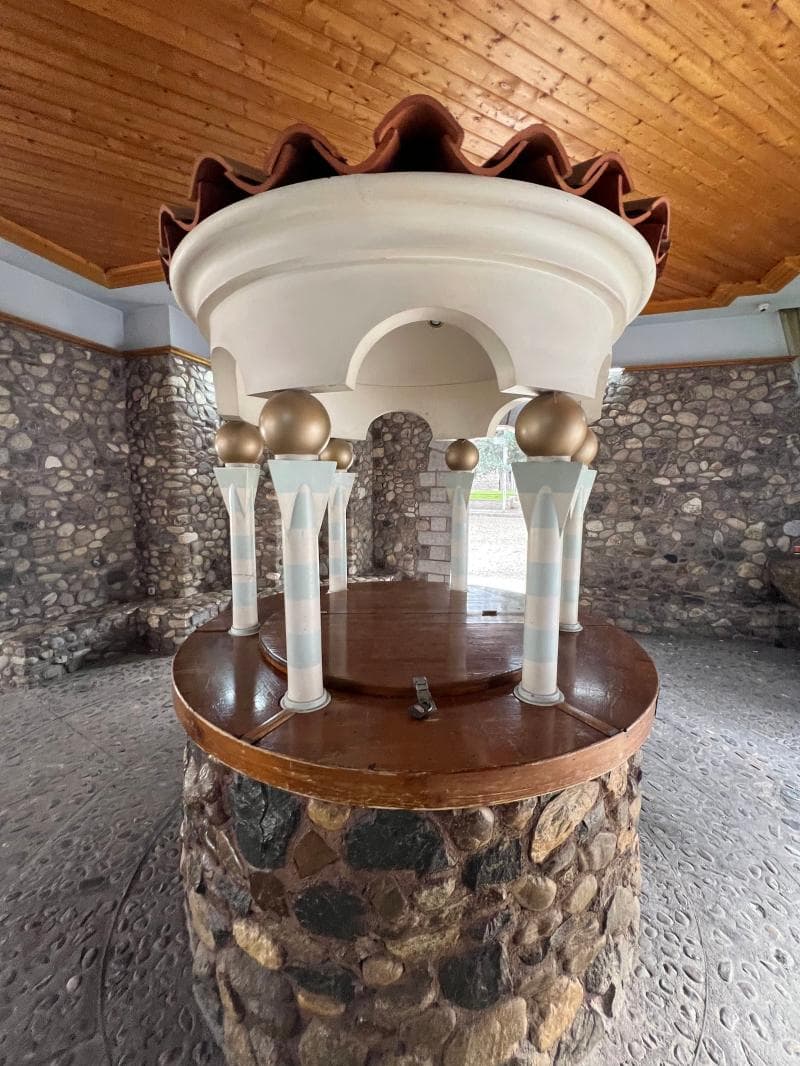
Explore the Glass Memorial Structure within the Memorial House of Mother Teresa in Skopje, North Macedonia, a modern tribute to the saint.
Overview
The Memorial House of Mother Teresa in Skopje, North Macedonia, stands as a poignant tribute to one of the 20th century's most revered humanitarian figures, Anjezë Gonxhe Bojaxhiu, better known as Mother Teresa. This distinctive memorial, opened in 2009, is not merely a museum but a spiritual and cultural center designed to encapsulate her life's journey from her birthplace to her global mission. Its modern architectural design prominently features glass elements, particularly in its tranquil upper-floor chapel, which creates a serene and reflective atmosphere for visitors. The structure's blend of contemporary lines with traditional motifs offers a unique aesthetic that invites introspection and honors Mother Teresa's enduring legacy of compassion.
History & Cultural Background
The decision to construct a memorial house in Skopje was a long-held desire to honor Mother Teresa in her hometown. The foundation stone was laid on May 9, 2008, and the building was completed with remarkable speed, opening its doors to visitors on January 30, 2009. Significantly, the memorial stands on the very site where the Sacred Heart of Jesus Catholic Church once stood, the church where Mother Teresa was baptized just one day after her birth in 1910. This location imbues the house with profound historical and spiritual resonance, connecting her early life directly to her later calling. The architect, Vangel Božinovski, conceived a design that aimed to capture the essence of Skopje in the early 20th century, a city at the crossroads of Eastern and Western cultures, while also integrating modern elements.
What Makes It Special
What truly sets the Memorial House apart is its architectural ingenuity, particularly the striking use of glass. While the entire building features a blend of glass and stone, the most prominent 'glass memorial structure' is undoubtedly the chapel located on the top floor. This chapel is enclosed by elegant glass panes, framed by intricate metal filigree, creating a space bathed in natural light and offering a profound sense of peace. The design of these glass panels is said to incorporate traditional Macedonian craftsmanship with a futuristic flair, making the chapel a focal point for spiritual contemplation. This distinct glass enclosure allows for both connection to the outside world and a quiet separation, enhancing the reflective experience for those who come to pray or simply sit in reverence. Beyond its architectural beauty, the Memorial House also safeguards precious relics related to Mother Teresa's life, including a second-class relic – a bone from her finger – brought from the Vatican, which establishes the chapel as a sanctuary.
Stories, Fun Facts & Local Details
The design of the Memorial House sparks interesting conversations. Architect Vangel Božinovski aimed to reflect the multicultural environment of early 20th-century Skopje, leading to elements like windows reminiscent of Ottoman architecture alongside the modern glass chapel. One intriguing detail is the presence of a relic – a bone from Mother Teresa's finger – within the chapel, making it a sacred site for pilgrims. This, along with the fact that the building acts as a 'cenotaph' (a monument commemorating a deceased person whose remains are elsewhere), emphasizes its deep spiritual purpose. Despite its modern and grand appearance, which cost 2 million Euros, there has been some public discussion regarding whether such a structure aligns with Mother Teresa's vows of poverty and humble life. Regardless, the building stands as a powerful symbol of the city's connection to one of its most famous daughters and invites visitors to ponder her life's work in a uniquely designed space.
Visitor Perspective
Visiting the Memorial House offers a deeply moving experience. The use of glass throughout the structure, especially in the chapel, contributes significantly to a contemplative and tranquil atmosphere. The light filtering through the glass panes creates an ethereal quality, inviting visitors to pause, reflect, and connect with Mother Teresa's message of love and service. The museum itself is thoughtfully designed, tracing her life from her childhood in Skopje to her humanitarian efforts in Calcutta. Entrance to the Memorial House is free, making it accessible to all who wish to explore her legacy. It is a place that leaves a lasting impression, prompting visitors to consider the profound impact one person's dedication can have on the world.
Coordinates: 21.430833, 41.993888
View on Google Maps💬 How Travelers Describe This Place
Based on community votes
Unique
898Interesting
667Must See
618Beautiful
308Photogenic
32
Traveler Stories
Discover memorable experiences shared by travelers who have visited this place.
No traveler stories yet.
Be the first traveler to share what made this place memorable.

Tour
By
Spot
Discover amazing places around the world. Your journey starts here.
Explore
© 2026 TourBySpot. All rights reserved.