Glass Floor Excavations
Athens, Greece
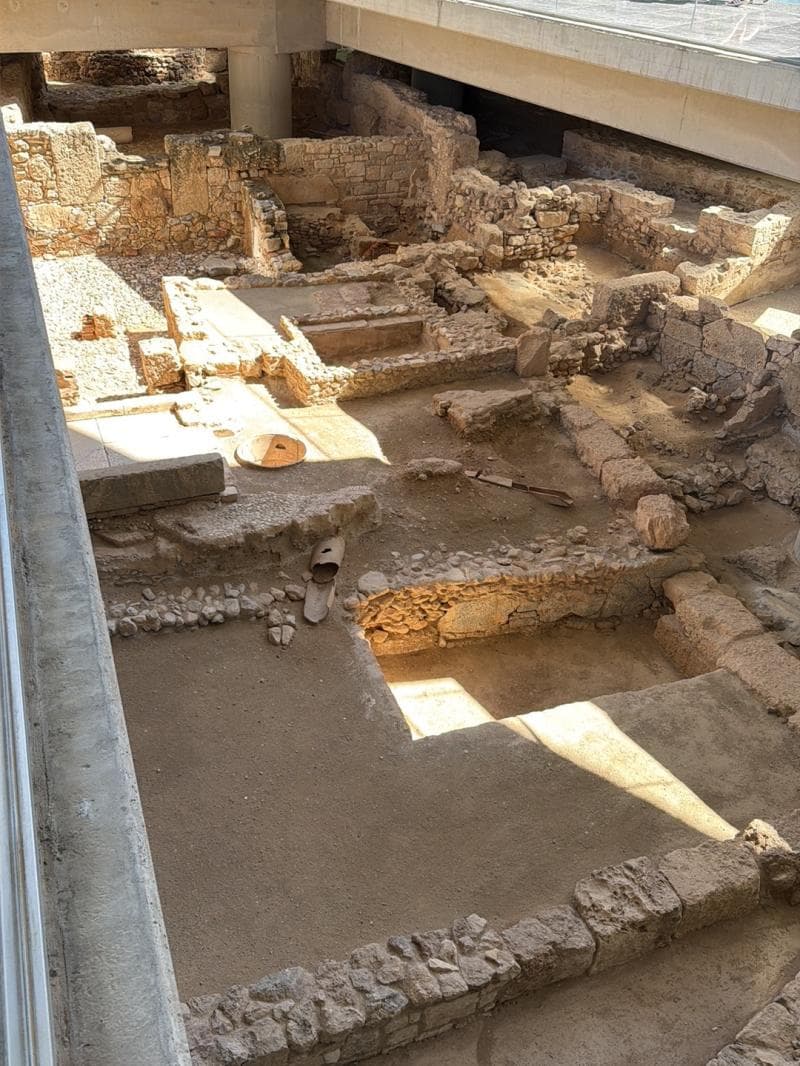
Discover the Glass Floor Excavations at the Acropolis Museum in Athens, Greece, revealing ancient Athenian streets, homes, and daily life beneath the museum.
Overview
Beneath the magnificent Acropolis Museum in Athens, Greece, lies an equally fascinating world: the Glass Floor Excavations. This unique archaeological site showcases the vibrant remains of an ancient Athenian neighborhood, preserved in situ directly beneath the museum's modern structure. Visitors stepping into the museum are immediately greeted by panoramic views of this excavated city, visible through strategically placed glass floors and elevated walkways. It's a journey not just into the museum's curated collections, but into the very ground upon which it stands, revealing layers of history from millennia past to late antiquity.
Far from being mere foundational elements, these excavations reveal streets, houses, private baths, workshops, and wells, painting a vivid picture of everyday life in the shadow of the sacred Acropolis. The seamless integration of the ancient ruins with the contemporary museum architecture, designed by Bernard Tschumi and Michael Photiadis, creates an unparalleled experience, bridging the past and present. The archaeological site itself became publicly accessible in June 2019, further enhancing the visitor's ability to explore this 'city beneath the city'.
History & Cultural Background
The story of the Glass Floor Excavations begins with the decision to build the new Acropolis Museum. During the preliminary excavations for the museum's foundation in the Makrygianni area, a significant urban settlement was unearthed. This discovery prompted a re-evaluation of the museum's design, ensuring that these invaluable archaeological remains would be preserved and integrated rather than destroyed.
The layers of occupation at this site span an extraordinary period, with human activity dating back as far as the 4th millennium BC. While earlier traces exist, many of the visible structures through the glass floors belong to the Roman and early Byzantine periods, specifically from the 7th to the 9th century AD. However, elements from the 5th century BC are also discernible, showcasing a continuous urban fabric that evolved over centuries. This archaeological richness underscores Athens' enduring role as a center of civilization, witnessing transformations from classical antiquity through to the Byzantine era.
What Makes It Special
What sets the Glass Floor Excavations apart is their direct, immersive presentation. Unlike many archaeological sites that are separate from a museum, here the museum itself acts as a protective canopy and an interpretive lens. The experience begins even before entering the main exhibition halls, with glass sections in the entrance lobby and along the initial ascent revealing the ancient foundations beneath your feet.
The architectural genius behind the Acropolis Museum specifically incorporated these transparent sections, allowing visitors to literally walk above history. This design choice fosters a profound connection, as one contemplates the lives lived in these very spaces while surrounded by artifacts that once belonged to them. It is a powerful reminder that the treasures displayed within the museum's galleries are not abstract objects but tangible links to a once-thriving community directly below.
Stories, Fun Facts & Local Details
Imagine walking over an ancient Athenian street, perhaps where philosophers once strolled or merchants bartered. The excavations reveal remnants of ordinary life: the foundations of houses with courtyards and wells, sophisticated private baths indicative of wealthier residents, and evidence of workshops. These details offer a grounded, human perspective often overshadowed by the grandeur of the Acropolis monuments.
One remarkable detail is the 'andron' room, visible through the glass floor, featuring a mosaic floor and specifically set aside for symposia – ancient Greek drinking parties and intellectual discussions. Another intriguing find includes a 7th-century AD circular hall-tower and parts of a Byzantine building. The site also includes a dedicated 'Museum of the Excavation' inaugurated in June 2024, which houses 1,150 artifacts unearthed from this very spot, further enriching the narrative of daily life with objects like pottery, coins, and household items. This small museum within the larger museum offers a unique, granular view into the domestic existence of ancient Athenians.
Visitor Perspective
For any curious traveler, exploring the Glass Floor Excavations is an essential part of the Acropolis Museum experience. It offers a unique contextual understanding of the Acropolis itself – showing the urban landscape that supported the monumental structures on the rock above. It's a moment of profound reflection, inviting visitors to step back in time and imagine the lives of the people who inhabited this vibrant neighborhood.
The ease of access, included with the general museum ticket, means that this subterranean city is readily available for exploration. Taking the time to observe the different layers of history, from early dwellings to Byzantine structures, truly enhances one's appreciation for Athens' continuous historical tapestry. It's an intimate encounter with antiquity, offering a tangible link between the present day and the daily rhythms of ancient Athenian life.
Coordinates: 23.728299, 37.969108
View on Google Maps💬 How Travelers Describe This Place
Based on community votes
Must See
673Photogenic
336Interesting
219Unique
186Beautiful
80
Traveler Stories
Discover memorable experiences shared by travelers who have visited this place.
No traveler stories yet.
Be the first traveler to share what made this place memorable.

Tour
By
Spot
Discover amazing places around the world. Your journey starts here.
Explore
© 2026 TourBySpot. All rights reserved.