Giant Panda House
Chiang Mai, Thailand
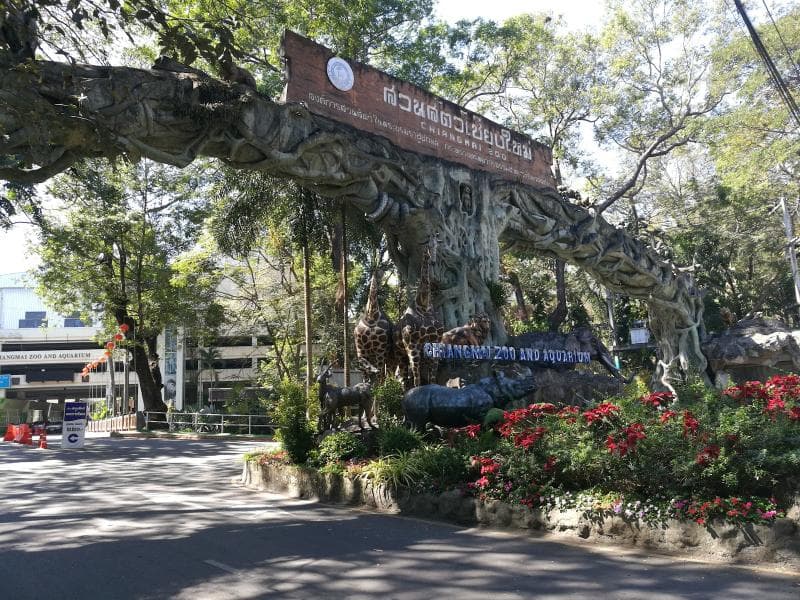
Discover the Giant Panda House at Chiang Mai Zoo, Thailand. Learn about Chuang Chuang, Lin Hui, and Lin Ping, their history, and cultural significance.
Overview
Nestled within the sprawling Chiang Mai Zoo in northern Thailand, the Giant Panda House has long been a cherished highlight, attracting millions of visitors eager to witness the charismatic giant pandas. While the original residents have since passed away or returned to China, the legacy of Chuang Chuang, Lin Hui, and their offspring, Lin Ping, endures as a testament to international friendship and conservation efforts. This specialized habitat provided a cool, meticulously recreated environment, designed to mirror the pandas' natural mountain homes, offering a unique opportunity for people in Southeast Asia to connect with these iconic creatures.
History & Cultural Background
The journey of giant pandas to Chiang Mai Zoo began in 2003, symbolizing a significant act of 'panda diplomacy' between China and Thailand. Male panda Chuang Chuang and female panda Lin Hui arrived on October 12, 2003, as part of a ten-year loan agreement aimed at conservation and breeding. This initiative followed negotiations that began in 2001, with the Thai government formally accepting the responsibility for their care. The project involved a substantial investment of approximately 39.8 million baht for the construction of their state-of-the-art enclosure.
A monumental moment occurred on May 27, 2009, with the birth of Lin Ping, the first giant panda cub born in Thailand and one of only a few born in captivity outside China. Her birth captivated the nation and underscored the success of the conservation program. As per the loan agreement, Lin Ping returned to China in September 2013 when she was four years old. The loan for Chuang Chuang and Lin Hui was subsequently extended, cementing their role as beloved ambassadors. Sadly, Chuang Chuang passed away on September 16, 2019, at the age of 19, due to heart failure. Lin Hui, who celebrated her 21st birthday at the zoo in 2022, passed away on April 19, 2023, following age-related complications. Their presence deeply fostered cultural ties and goodwill between the two nations, becoming a potent symbol of friendship.
What Makes It Special
The Giant Panda House was more than just an enclosure; it was a pioneering effort in creating an authentic habitat for these endangered species in a tropical climate. Its multi-million dollar, climate-controlled environment meticulously replicated the cool, misty mountains of Sichuan, China, ensuring the pandas' comfort and well-being. The birth of Lin Ping was an extraordinary achievement, elevating Chiang Mai Zoo's reputation as a contributor to global giant panda conservation efforts. The pandas were not merely zoo exhibits; they became national darlings, inspiring immense public affection and educational outreach. The dedicated team at the zoo also engaged in significant research and conservation activities, contributing valuable insights into panda biology and behavior outside their native land.
Stories, Fun Facts & Local Details
The arrival of Chuang Chuang and Lin Hui sparked a nationwide 'panda-monium,' drawing over 7.4 million visitors to the zoo during their tenure. Lin Ping, in particular, became an instant celebrity, with the Thai public following her development closely, and even a countdown to her return to China marking her immense popularity. While they were officially known by their Chinese names, a public contest was held to give them Thai names as well, reflecting the deep affection the Thai people held for them. The construction of their elaborate living quarters, completed in just 210 days by military engineers, demonstrated the national commitment to hosting these special guests. Even after their passing, the story of these pandas continues to resonate, and significantly, China has announced plans to send a new pair of pandas to Chiang Mai Zoo in 2025 to commemorate the 50th anniversary of Thai-Chinese diplomatic relations, ensuring the legacy of panda diplomacy continues.
Visitor Perspective
For visitors, the Giant Panda House offered an intimate and unforgettable encounter. The climate-controlled facility provided a comfortable viewing experience, a welcome respite from Chiang Mai's tropical heat. Guests often found the pandas most active during the morning hours, especially around feeding times, making early visits highly recommended for the best viewing opportunities. Access to the Giant Panda House required a separate admission fee, beyond the general zoo entry, indicating its premium status as a star attraction. To protect the pandas' sensitive eyes and ensure their calm environment, flash photography was strictly prohibited, allowing for natural observation. The design of the enclosure, with clear viewing areas, allowed for close-up observations of these magnificent animals as they ate bamboo, climbed, or napped, creating lasting memories for all who visited.
Coordinates: 98.947, 18.809
View on Google Maps💬 How Travelers Describe This Place
Based on community votes
Must See
639Beautiful
569Interesting
476Photogenic
465Unique
128
Traveler Stories
Discover memorable experiences shared by travelers who have visited this place.
No traveler stories yet.
Be the first traveler to share what made this place memorable.

Tour
By
Spot
Discover amazing places around the world. Your journey starts here.
Explore
© 2026 TourBySpot. All rights reserved.