Germia Park
Pristina, Kosovo
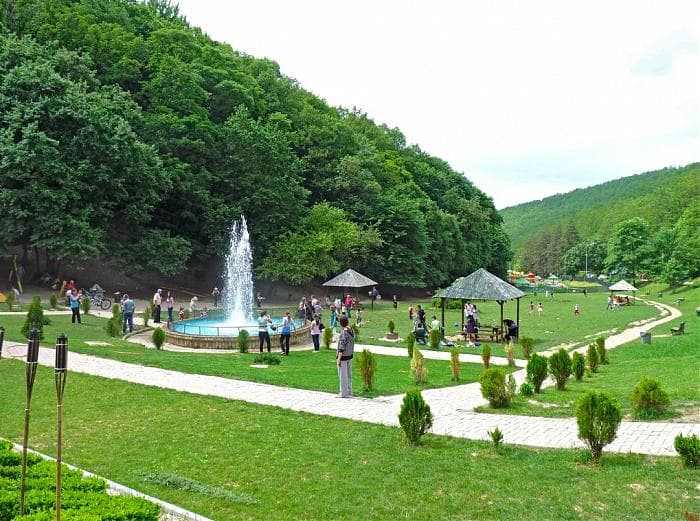
Discover Germia Park, Pristina's expansive regional park in Kosovo. Explore its rich biodiversity, hiking trails, a large swimming pool, and historical significance.
Overview
Nestled in the northeastern part of Pristina, Kosovo, Germia Park stands as a cherished natural haven, offering a vital green escape from the city's vibrant rhythm. Spanning an impressive 62 square kilometers, this regional park is a significant part of the Rhodope Mountains massif, characterized by its rolling hills, diverse forests, and refreshing mountain air. It serves as a beloved destination for both locals and travelers seeking tranquility, active recreation, or a deeper connection with nature. From leisurely strolls to invigorating hikes, Germia Park presents a wide array of activities amidst its rich ecological tapestry, making it an indispensable part of Pristina's identity.
The park's terrain varies from its highest point, Butos Peak, at 1050 meters above sea level, down to 663 meters, creating a varied landscape of hills, valleys, and streams. This geographical diversity contributes to its status as Pristina's most important biodiversity area. Whether you are looking for a peaceful picnic spot, a challenging cycling route, or a refreshing dip in its famous outdoor swimming pool, Germia Park provides a welcoming environment for all.
History & Cultural Background
Germia Park's significance is not merely ecological but also deeply rooted in the cultural and historical fabric of Pristina. Its use as a public green space dates back to the early 20th century, reflecting a long-standing appreciation for its natural beauty and recreational potential. In 1966, a portion of Germia was officially designated as a 'forest for picnic', a testament to its popularity as a community gathering spot.
A pivotal moment in its history came in 1987 when Pristina's Municipal Assembly officially took the 'Germia' complex under protection, establishing it as a Regional Nature Park. This designation underscored a commitment to preserving its unique natural resources for future generations. Today, the park is managed by the publicly owned enterprise 'Hortikultura', ensuring its continued care and accessibility. Furthermore, according to the International Union for Conservation of Nature (IUCN), Germia is recognized under category V, signifying its status as a protected landscape of special importance.
What Makes It Special
Germia Park is truly special due to its exceptional biodiversity and extensive recreational offerings. It boasts over 600 species of flora, including 610 types of vascular flora classified into 82 families, with five being endemic to the region and twelve recognized for their medicinal properties. Over three-quarters of the park's surface is covered by resilient Hungarian oak, Turkey oak, sessile oak, and common beech trees, creating lush, dense forests.
The park is also a vibrant habitat for 63 animal species, including five species of amphibians like the fire salamander and European tree frog, seven reptile species such as the wall lizard and Hermann's tortoise, and an impressive thirty-two bird species, including the majestic golden eagle. Nineteen species of mammals, including European hedgehogs and squirrels, also call Germia home. The forest floor yields a variety of mushrooms, with 83 types identified, notably porcini, chanterelle, and Caesar's mushroom. This rich natural tapestry makes Germia a living classroom for nature enthusiasts and researchers alike.
Beyond its ecological value, Germia is famous for its large outdoor swimming pool, considered one of the biggest in the Balkans. Open during the summer months, it attracts thousands of visitors daily, providing a refreshing escape from the summer heat.
Stories, Fun Facts & Local Details
Locals affectionately refer to Germia Park as Pristina's 'green lung,' highlighting its crucial role in providing fresh air and a natural respite for the urban population. Its proximity to the city center means that a tranquil escape into nature is just a short bus ride or drive away, making it a favorite spot for daily activities.
One interesting detail is the park's dual nature: while a significant portion remains a natural forest, another part is meticulously maintained, offering well-kept paths and organized recreational zones. This blend caters to different preferences, from rugged adventurers to those seeking a more manicured park experience. The park also hosts various cultural and community events throughout the year, from outdoor concerts to festivals, further cementing its role as a social hub. These events provide a platform for residents and visitors to engage with local culture and entertainment in a beautiful natural setting.
Visitor Perspective
For visitors, Germia Park offers an authentic glimpse into the daily life and recreational habits of Pristina residents. The park is open 24/7, though cars are often restricted on weekends to enhance the pedestrian experience. Access is free, making it an accessible destination for everyone.
The park features miles of walking, jogging, hiking, and cycling trails, some of which connect to the broader Gollak mountain range, offering routes for all fitness levels. For families, numerous picnic areas and playgrounds are scattered throughout the park. Sports enthusiasts can utilize the basketball, tennis, and volleyball courts. Several hillside cafes and restaurants offer local cuisine, allowing visitors to savor traditional flavors while enjoying panoramic views. Even in winter, the park transforms, becoming a popular spot for cross-country skiing, despite the lack of ski lifts, further emphasizing its year-round appeal as a dynamic outdoor space.
Coordinates: 21.195, 42.673
View on Google Maps💬 How Travelers Describe This Place
Based on community votes
Must See
958Unique
728Interesting
481Beautiful
382Photogenic
183
Traveler Stories
Discover memorable experiences shared by travelers who have visited this place.
No traveler stories yet.
Be the first traveler to share what made this place memorable.
Things to see at Germia Park



Tour
By
Spot
Discover amazing places around the world. Your journey starts here.
Explore
© 2026 TourBySpot. All rights reserved.