German Film Museum
Frankfurt, Germany
Explore the German Film Museum in Frankfurt, Germany. Delve into film history, interactive exhibits, and iconic movie props at this cinematic treasure on Museumsufer.
Overview
Nestled along Frankfurt's scenic Museumsufer, the German Film Museum, officially known as the DFF – Deutsches Filminstitut & Filmmuseum, stands as a captivating destination for anyone intrigued by the magic of cinema. It is an institution that celebrates the rich tapestry of film, delving into its history, aesthetic evolution, and technological advancements. More than just a static collection, the museum offers an immersive journey through the world of moving images, from the earliest optical devices to contemporary filmmaking techniques. Visitors can explore both permanent and frequently changing special exhibitions, engage with interactive displays, and even catch a film at its in-house cinema.
History & Cultural Background
The origins of what is now the German Film Museum trace back to 1949 with the founding of the Deutsches Institut für Filmkunde (DIF) in Wiesbaden, marking it as the oldest cinematic institution in Germany. The Deutsches Filmmuseum itself was established in Frankfurt in 1984, dedicated to presenting film history to the public. In 2006, these two significant entities merged, creating the comprehensive DFF – Deutsches Filminstitut & Filmmuseum, which brought together a research institute, museum, cinema, and archive under one roof. This amalgamation solidified its role as a central hub for film preservation, research, and the promotion of film culture across Germany and internationally. Located on the Museumsufer, a prominent cultural embankment along the Main River, the museum is part of Frankfurt's vibrant cultural landscape, contributing significantly to the city's reputation as a center for arts and education.
What Makes It Special
The German Film Museum distinguishes itself through its engaging approach to cinematic storytelling and its remarkable collection. Its permanent exhibition is thoughtfully divided into two main sections across 800 square meters: 'Filmic Seeing' and 'Filmic Storytelling'. 'Filmic Seeing' transports visitors to the fascinating world of pre-cinema, showcasing 16th to 19th-century optical devices such as the Camera Obscura, peep-shows, and kaleidoscopes, illustrating how humans have long been captivated by visual perception and the illusion of movement. The 'Filmic Storytelling' section delves into the language of film itself, explaining how elements like camera angles, lighting, sound, editing, and acting contribute to a film's narrative and emotional impact. A central film room features four screens that powerfully demonstrate these cinematic techniques using excerpts from over 100 films, ranging from silent classics to modern blockbusters. The museum's interactive stations are a major highlight, allowing visitors to experiment with green screen technology, try out trick technology to experience a car chase or a magic carpet ride, and explore sound and montage possibilities, making the complex process of filmmaking accessible and fun.
Stories, Fun Facts & Local Details
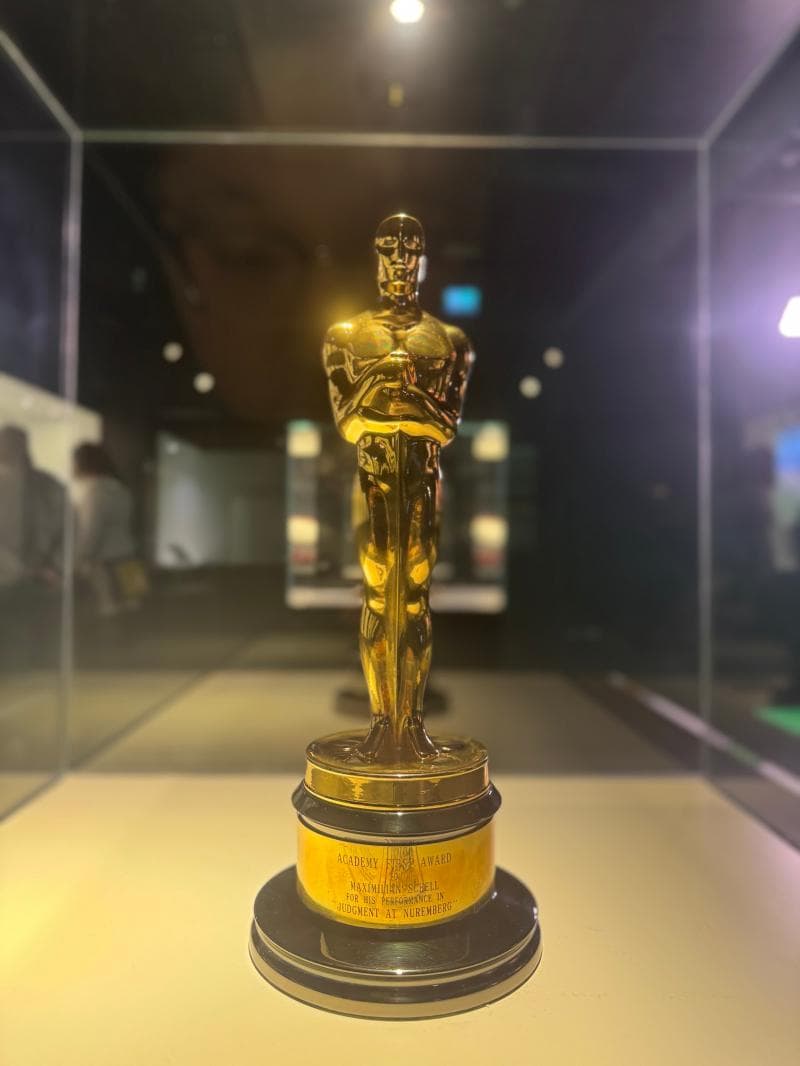
Beyond its structured exhibitions, the German Film Museum captivates with unique artifacts and behind-the-scenes glimpses. Imagine standing face-to-face with an original 'Alien' costume by the renowned artist and film designer H.R. Giger, or admiring Maximilian Schell's coveted Oscar trophy. These iconic props offer tangible connections to cinematic history and the creative minds behind unforgettable films. Other intriguing items include a Darth Vader helmet and a storyboard from 'Star Wars: Return of the Jedi'. The museum's active role extends to hosting film festivals like goEast and LUCAS (Children's Film Festival), fostering a dynamic cinematic culture. Its in-house cinema is not just any movie theater; it’s a dedicated space screening film classics, contemporary works, and rare finds, often in their original language, alongside thematic series and film talks. For families, the museum offers a dedicated children's and family program every Friday and Sunday afternoon, providing sophisticated and entertaining film experiences. The institution also contributes to scholarly discourse through its extensive archives and research initiatives, solidifying its place as a cornerstone of German film heritage.
Visitor Perspective
A visit to the German Film Museum offers an enriching experience for film enthusiasts and curious travelers alike. The interactive nature of the exhibits means that you don't just observe; you participate in the magic of filmmaking. Visitors consistently praise the hands-on stations and the opportunity to delve into the creation of special effects. With information available in both English and German, the museum is accessible to international guests, ensuring a comprehensive understanding of the displays. Most visitors find that 1.5 to 2 hours are well spent exploring the permanent collection, though the rotating special exhibitions and the cinema's diverse program could easily extend your stay. The museum provides a unique opportunity to connect with the art form, whether you are a seasoned cinephile eager to trace the evolution of cameras and cinematic techniques or a curious newcomer wanting to understand how movies are made and how they impact us. It truly offers a look behind the scenes of film production and showcases selected scenes, inviting everyone to discover the enduring fascination of the moving image.
Coordinates: 8.6777, 50.1052
View on Google Maps💬 How Travelers Describe This Place
Based on community votes
Photogenic
685Interesting
446Beautiful
152Unique
33Must See
16
Traveler Stories
Discover memorable experiences shared by travelers who have visited this place.
No traveler stories yet.
Be the first traveler to share what made this place memorable.

Tour
By
Spot
Discover amazing places around the world. Your journey starts here.
Explore
© 2026 TourBySpot. All rights reserved.