Gardens
Lviv, Ukraine
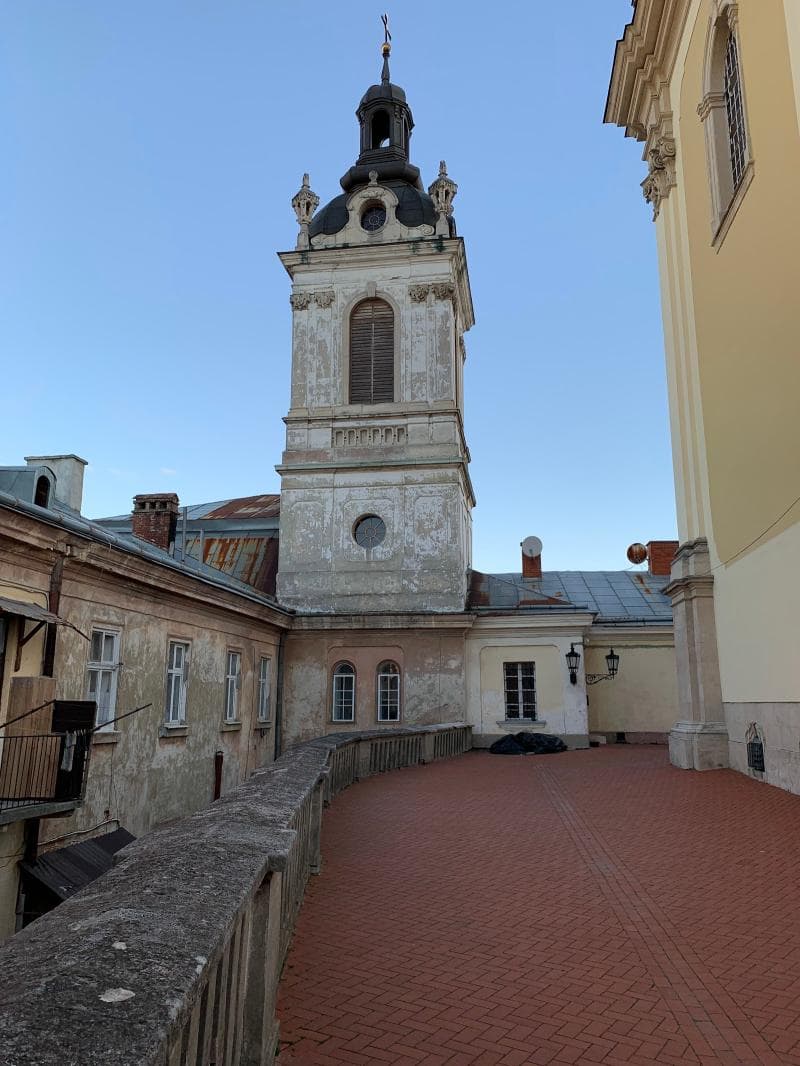
Explore the Metropolitan Gardens at St. George's Cathedral in Lviv, Ukraine. Discover terraced landscapes, rich history, and spiritual significance.
Overview
Nestled within the historic ensemble of St. George's Cathedral in Lviv, Ukraine, lies a serene and spiritually rich sub-spot known as the Metropolitan Gardens. These exquisite gardens are much more than just green spaces; they are an integral part of the cathedral's architectural complex, offering a tranquil retreat and significant historical depth. Perched on St. George's Hill, the gardens are celebrated for their unique terraced layout, which gracefully adapts to the natural slope of the terrain. Adorned with stone retaining walls and thoughtful landscaping, they provide not only a picturesque setting but also panoramic views of the charming city of Lviv.
The Metropolitan Gardens are a blend of nature and history, complementing the grandeur of the Baroque-Rococo cathedral. They form a key component of the UNESCO World Heritage site, underscoring their importance both culturally and historically within the city's fabric. Visitors can explore these multi-level gardens, discovering hidden corners and enjoying the peaceful atmosphere, which stands in gentle contrast to the bustling city below. This unique setting invites contemplation and offers a deeper connection to the spiritual heritage of Lviv.
History & Cultural Background
The history of the Metropolitan Gardens dates back to the mid-18th century, specifically between 1762 and 1771, when they were meticulously laid out around the Metropolitan Chambers of St. George's Cathedral. The decision to create such an elaborate garden coincided with the growing influence and authority of the Greek Catholic Church in the region. By 1772, stone fencing was added, not only to delineate the boundaries but also to secure this sacred precinct.
Before their current form, the area was a wooded slope. Following the construction of the present-day cathedral, it was transformed into a 'picturesque park with terraces'. Later, in the mid-19th century, the gardens saw a stylistic shift, being redesigned to reflect the popular English garden aesthetic. A particularly meaningful period in their history was under Metropolitan Andrey Sheptytsky, who initiated the planting of fruit trees, further enhancing the gardens' utility and charm. The gardens have also served as the final resting place for several prominent leaders of the Ukrainian Greek Catholic Church, imbuing the grounds with profound religious remembrance and spiritual significance.
What Makes It Special
The Metropolitan Gardens' distinctiveness lies in their unique terraced design, a masterful adaptation to St. George's Hill's natural contours. These three distinct levels, supported by robust stone retaining walls, showcase a remarkable feat of 18th-century landscape architecture. Unlike many formal gardens, their design gracefully integrates with the Baroque and Rococo architectural style of the cathedral, creating a harmonious ensemble that feels both grand and inviting. The inclusion of a grotto-shaped gazebo, attributed to the architect Klemens Fesinger, adds an element of whimsical charm and provides a unique sheltered spot for reflection.
Beyond their aesthetic appeal, the gardens hold immense spiritual weight. They are a hallowed burial ground for revered figures of the Ukrainian Greek Catholic Church, transforming a beautiful landscape into a sacred space of memory and veneration. This spiritual significance, combined with their UNESCO World Heritage status as part of Lviv's historic center, makes them a special place where nature, history, and faith converge.
Stories, Fun Facts & Local Details
For centuries, the Metropolitan Gardens served as a private sanctuary for Greek-Catholic metropolitans, a place where they could find quiet for prayer and inspiration. It's easy to imagine Metropolitan Andrey Sheptytsky, a revered figure, walking among the fruit trees he himself encouraged to be planted, finding solace and strength amidst the greenery.
A significant 'fun fact' from recent history is the arduous process of restoring and returning portions of the gardens to the Ukrainian Greek Catholic Church. After years of litigation, the lower section of the gardens was finally returned in April 2025, signaling a new chapter in their preservation and public access. This ongoing restoration effort speaks to the deep cultural and religious importance of these gardens to the local community. Today, while still a place of spiritual reflection, the gardens also embrace a more public role, hosting cultural events, live music, and seasonal markets, especially during the warmer months, offering a vibrant open-air venue against a historic backdrop.
Visitor Perspective
Exploring the Metropolitan Gardens is an experience that appeals to both the active traveler and the contemplative soul. The terraced layout means there are multiple staircases connecting the different levels, inviting visitors to embark on a leisurely ascent. Comfortable footwear is recommended to fully enjoy meandering through the pathways and absorbing the panoramic vistas of Lviv that unfold as you climb higher.
The atmosphere is generally peaceful, providing a welcome respite from the city's hustle and bustle, though it can become more lively during special events and festivals. Whether you're seeking a quiet moment of reflection near the tombs of church leaders, enjoying a cultural performance, or simply admiring the meticulously restored landscapes, the gardens offer a multi-faceted experience. They are a place to connect with centuries of history, appreciate architectural harmony, and witness the enduring spirit of Lviv.
Coordinates: 24.01361, 49.83861
View on Google Maps💬 How Travelers Describe This Place
Based on community votes
Unique
674Beautiful
503Photogenic
261Must See
92Interesting
49
Traveler Stories
Discover memorable experiences shared by travelers who have visited this place.
No traveler stories yet.
Be the first traveler to share what made this place memorable.

Tour
By
Spot
Discover amazing places around the world. Your journey starts here.
Explore
© 2026 TourBySpot. All rights reserved.