Garden Hall
Frankfurt, Germany
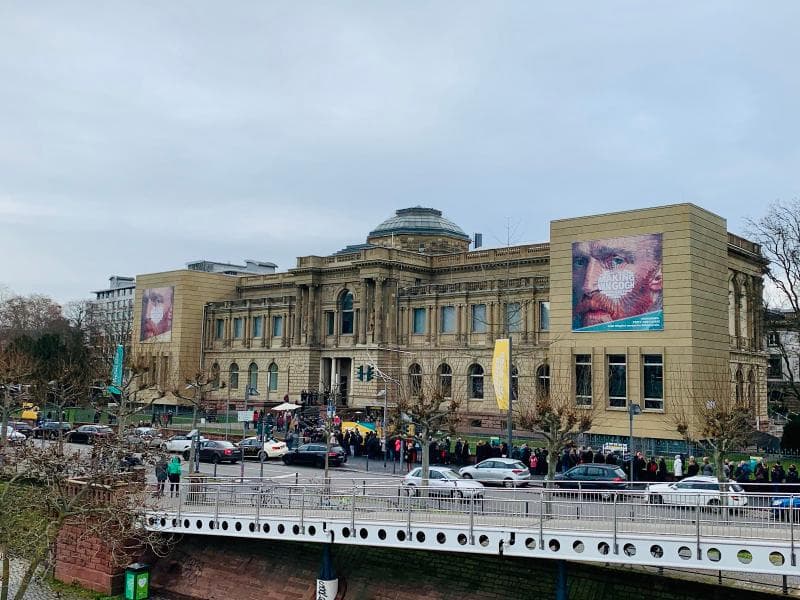
Explore the Städel Museum's innovative Garden Halls in Frankfurt, Germany – a stunning underground extension dedicated to contemporary art, illuminated by 195 skylights.
Overview
Deep beneath the serene garden of the Städel Museum in Frankfurt, Germany, lies a remarkable architectural marvel known as the Garden Halls, or 'Gartenhallen'. This subterranean extension is not merely an additional exhibition space; it is a profound testament to innovative design, seamlessly blending art, architecture, landscape, and light. Opened in 2012, this unique space was conceived to house the museum's extensive collection of contemporary art, offering visitors an unparalleled experience of modern masterpieces illuminated by natural daylight from above.
Designed by the acclaimed Frankfurt architectural firm Schneider+Schumacher, the Garden Halls represent a groundbreaking approach to museum expansion. Instead of constructing upwards, the architects chose to delve downwards, preserving the precious green space above while dramatically increasing the museum's display area by 3,000 square meters. This ingenious solution effectively doubled the Städel's capacity for contemporary art, making it a pivotal destination for art enthusiasts.
History & Cultural Background
The Städel Museum itself boasts a rich history, having been founded in 1817 by the Frankfurt banker and art patron Johann Friedrich Städel. It stands as one of Germany's oldest and most significant art museums, with a collection spanning seven centuries of European art.
Over two centuries, the Städel continuously evolved, adapting to changing artistic landscapes and growing collections. By the early 21st century, the need for expanded space to properly showcase its burgeoning contemporary holdings became evident. An international competition was held in 2008 to address this challenge, seeking a solution that would be both functional and respectful of the existing historical site. Schneider+Schumacher's visionary proposal to go underground, beneath the existing garden, emerged as the winning design.
This expansion was not merely about adding square footage; it was about reimagining how art could be experienced. It integrated with the 1921 Garden Wing and the earlier Neo-Renaissance building from 1878, creating a cohesive yet dramatically modern complement to the museum's diverse architectural history.
What Makes It Special
The Garden Halls are defined by their extraordinary architectural features, most notably the gently domed green roof that forms a subtle hill on the surface of the museum's garden. This dome is perforated by 195 circular skylights, varying in diameter from 1.5 to 2.5 meters. These 'eyes for the art' flood the subterranean exhibition space with natural light, creating a dynamic interplay of illumination throughout the day.
The design of the skylights is particularly innovative, as they can open and close to protect the sensitive artworks from excessive light exposure. Inside, a translucent textile diffuser stretched across the base of these skylights disperses both sunlight and integrated LEDs, ensuring an even and fluid lighting environment. The interior is characterized by its all-white aesthetic and the elegant curve of the domed ceiling, supported by just twelve slender columns, which lends a sense of spaciousness despite its underground location.
Beyond aesthetics, the Garden Halls are also a pioneer in sustainable architecture. They incorporate efficient daylighting, geothermal systems, in-floor heating, and cooled ceiling slabs, earning recognition as a 'green building'. This commitment to environmental responsibility, combined with its striking design, makes the Garden Halls a truly special destination.
Stories, Fun Facts & Local Details
The nickname 'eyes for the art' for the 195 skylights beautifully captures the essence of the Garden Halls' design. From the outside, these circular apertures on the green lawn create a playful, almost otherworldly pattern, transforming the garden itself into a work of art. By night, they reverse their role, glowing softly upwards and creating a captivating light show on the museum grounds.
The creation of the Garden Halls was a direct response to a common challenge faced by historical institutions: how to expand without encroaching on valuable urban space or altering the beloved exterior. Schneider+Schumacher's decision to go underground was hailed as a stroke of genius, preserving the Städel's iconic presence on the Museum Embankment while dramatically enhancing its functionality. The subtle bulge in the garden's topography is the only visible hint of the vast artistic world that lies beneath.
The newly landscaped Städel Garden above the halls also features a curated selection of sculptures from the museum's collection, including works by artists like August Gaul and Tobias Rehberger, providing a pleasant outdoor complement to the indoor experience. Access to this garden is free, inviting both museum visitors and local residents to relax and enjoy the art and the unique view of the Frankfurt skyline.
Visitor Perspective
Upon entering the Städel Museum, a journey to the Garden Halls involves descending gracefully into this luminous underground world. The transition from the historic main building to this contemporary space is a fascinating experience, often via elegant stairways.
Visitors are greeted by an expansive, calm atmosphere, where the soft, diffused natural light accentuates the contemporary artworks. The absence of traditional windows focuses attention entirely on the art, while the ever-changing natural light from the skylights provides a subtle connection to the world above. It is a space designed for contemplation and immersion, where the architecture itself enhances the appreciation of modern artistic expression. The seamless fusion of the indoor galleries with the outdoor garden, albeit in an inverted sense, provides a truly memorable and thought-provoking visit to this esteemed Frankfurt institution.
Coordinates: 8.67388, 50.10322
View on Google Maps💬 How Travelers Describe This Place
Based on community votes
Beautiful
836Unique
797Photogenic
396Interesting
286Must See
255
Traveler Stories
Discover memorable experiences shared by travelers who have visited this place.
No traveler stories yet.
Be the first traveler to share what made this place memorable.

Tour
By
Spot
Discover amazing places around the world. Your journey starts here.
Explore
© 2026 TourBySpot. All rights reserved.