Galleries
Seoul, South Korea
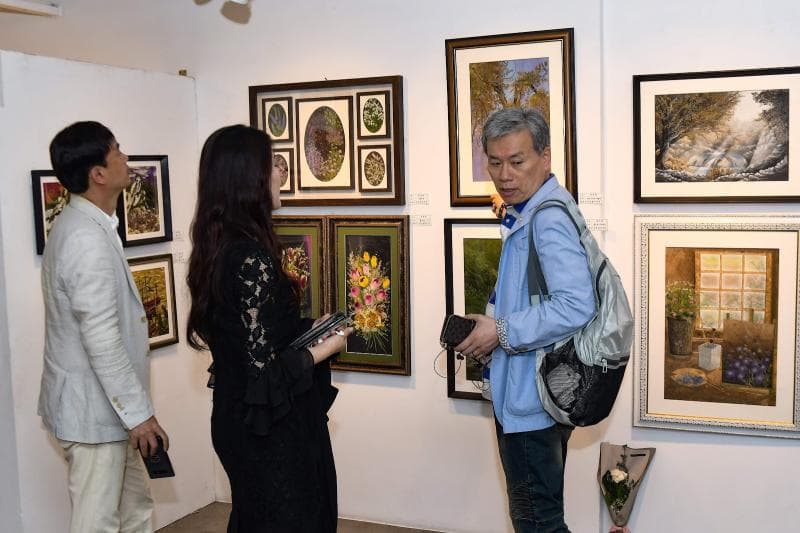
Discover Insadong's vibrant galleries in Seoul, South Korea, offering a rich collection of traditional and contemporary Korean art, crafts, and cultural experiences.
Overview
Stepping into the 'Galleries' of Insadong, located in the heart of Seoul, South Korea, is like entering a living canvas where the past and present of Korean art harmoniously coexist. This vibrant sub-spot within the larger cultural district of Insadong is renowned for its dense concentration of art spaces, boasting approximately 100 galleries that showcase a breathtaking array of Korean fine art, from ancient traditional paintings and intricate sculptures to dynamic contemporary works. Insadong itself is a testament to Seoul's enduring cultural heritage, and its galleries are truly its heartbeat, inviting curious travelers to delve deep into the artistic soul of the nation.
The area provides a unique blend of experiences, where the main thoroughfare bustles with activity, while the twisting, narrow alleyways invite discovery, often concealing hidden gems in the form of intimate galleries and traditional teahouses. It's a place where the love for art is palpable, offering visitors an immersive journey through Korea's artistic landscape.
History & Cultural Background
Insadong's journey as an artistic hub stretches back centuries, with roots firmly planted in the Joseon Dynasty (1392-1897). Originally, the area served as a residential quarter for government officials and aristocrats. Its significance in the art world began to solidify with the establishment of the Dohwaseo, the royal painting bureau, in the early Joseon period, attracting skilled painters to the vicinity.
The character of Insadong evolved dramatically during the Japanese occupation in the early 20th century. Wealthy Korean residents were often compelled to sell their belongings, turning Insadong into a bustling market for antiques and heirlooms. This historical pivot laid the groundwork for its future as a prominent antique and art market.
Following the Korean War, Insadong cemented its reputation as a vital center for South Korea's artistic life and burgeoning cafe culture. Over the decades, it gained international recognition, even being fondly referred to as 'Mary's Alley' by foreign visitors in the 1960s. The commitment to preserving its cultural identity led to its designation as a special cultural asset starting in 1987, emphasizing the dominance of Korean Hangul script on storefronts and a focus on traditional arts.
What Makes It Special
The sheer density and diversity of galleries are what truly set Insadong apart. With around 100 galleries, it offers a comprehensive look into Korean art forms, encompassing folk art, traditional paintings, sculptures, and cutting-edge contemporary installations. Not just for established artists, many galleries also serve as platforms for promising emerging talents.
Beyond the art, Insadong is special for its unique physical layout and cultural ecosystem. The main street, Insadong-gil, branches into countless alleys, each holding potential for discovering a new gallery or a tranquil traditional teahouse. This labyrinthine design fosters a sense of exploration and surprise.
Furthermore, Insadong's dedication to cultural preservation is evident. On weekends, the main street transforms into a pedestrian-only zone, hosting traditional performances, art demonstrations, and artisan stalls, creating an open-air cultural festival that connects visitors directly with Korean heritage. The distinctive character of its craft shops, many housed in traditional Korean hanok buildings, further enhances its charm, showcasing handmade pottery, hanji paper goods, and intricate calligraphy supplies.
Stories, Fun Facts & Local Details
Insadong offers a delightful 'treasure hunt' experience, particularly when venturing off the main street into its quieter back alleys. Here, visitors often stumble upon smaller, independent galleries and cafes that provide a more intimate glimpse into local artistic expressions.
A fun historical detail is how the area's antique trade flourished. During the Japanese occupation, many `yangban` (aristocrats) from the Bukchon area, stripped of their titles and income, began selling their family heirlooms in Insadong, inadvertently cementing its reputation as a hub for precious traditional goods.
Another interesting aspect is the architectural design found in places like Ssamziegil, a multi-level cultural complex within Insadong. Its spiraling walkways allow visitors to ascend and explore numerous shops and galleries without the need for stairs or elevators, presenting an innovative and accessible way to engage with the creative offerings.
The deliberate choice for storefront signs to be predominantly in Korean Hangul script, even for international brands like Starbucks (which had its first Hangul sign in Insadong), underscores the neighborhood's unwavering commitment to its cultural identity.
Visitor Perspective
For the curious traveler, exploring Insadong's galleries is an invitation to immerse oneself in Korea's rich artistic tapestry. It's an experience that caters to art aficionados, history buffs, and anyone seeking an authentic cultural encounter. Strolling through the district allows visitors to not only admire diverse artworks but also to feel the pulse of Seoul's artistic community.
The galleries, often complemented by cozy traditional teahouses, offer serene escapes from the bustling city, providing spaces for contemplation and appreciation. Many establishments allow opportunities to meet the artists, offering personal insights into their creative processes and the stories behind their works. Whether one is seeking to purchase a unique piece of art, a handcrafted souvenir, or simply to absorb the artistic atmosphere, Insadong's galleries provide a fulfilling and enriching journey into the heart of Korean culture.
Coordinates: 126.9784, 37.566
View on Google Maps💬 How Travelers Describe This Place
Based on community votes
Must See
872Beautiful
684Unique
363Interesting
250Photogenic
88
Traveler Stories
Discover memorable experiences shared by travelers who have visited this place.
No traveler stories yet.
Be the first traveler to share what made this place memorable.

Tour
By
Spot
Discover amazing places around the world. Your journey starts here.
Explore
© 2026 TourBySpot. All rights reserved.