Galeries Royales Saint-Hubert
Brussels, Belgium
Explore Galeries Royales Saint-Hubert in Brussels, Belgium – Europe's first glazed shopping arcade. Discover its history, stunning architecture, and world-renowned chocolatiers.
Overview
The Galeries Royales Saint-Hubert in Brussels, Belgium, is a magnificent 19th-century ensemble of three glazed shopping arcades, an architectural gem often cited as Europe's first glazed shopping passage. Inaugurated in 1847 by King Leopold I, it predates other famous European arcades like Milan's Galleria Vittorio Emanuele II by decades. This elegant 200-meter-long covered passage is divided into three distinct sections: the Galerie du Roi (King's Gallery), the Galerie de la Reine (Queen's Gallery), and the smaller Galerie des Princes (Princes' Gallery). It connects the city's important cultural landmarks, such as the Grand-Place and La Monnaie opera house, serving not just as a thoroughfare but as a destination in itself. Annually, millions of visitors are drawn to its exquisite blend of luxury boutiques, world-renowned chocolatiers, cafes, restaurants, and cultural venues, including a historic theatre and cinema.
History & Cultural Background
The vision for the Galeries Royales Saint-Hubert emerged in the 1830s, at a time when Brussels, a rapidly growing city, lacked elegant covered shopping infrastructure. Belgian architect Jean-Pierre Cluysenaar proposed a groundbreaking project that would revolutionize retail architecture. Construction began in 1846 and culminated in its grand opening on June 20, 1847, with King Leopold I himself attending the inauguration. Cluysenaar's design was radically innovative for its monumental proportions, featuring an impressive 8-meter width and 18-meter height under its glass roof, a scale previously unseen in covered passages. The arcade quickly became Brussels' most fashionable address, setting a new standard that influenced subsequent European shopping arcades. Its significance was officially recognized in 1986 when it was designated a historic monument, and it has been considered for UNESCO World Heritage status.
What Makes It Special
What truly sets the Galeries Royales Saint-Hubert apart is its captivating blend of architectural splendor and vibrant cultural life. The galleries boast an Italianate style inspired by the Cinquecento, characterized by glazed, arched shopfronts, pilasters, and an arched, glass-paned roof with delicate cast-iron framework. The design seamlessly blends neo-classicism and neo-renaissance, adorned with ornate gold leaf, crimson velvet, and polished cast-iron accents. Beyond its visual appeal, it hosts a unique ecosystem of businesses, from luxury leather goods at Delvaux to the original Neuhaus boutique, where the filled praline was famously invented in 1912. The presence of the Royal Theatre of the Galleries and the Cinema des Galeries underscores its role as a cultural hub, providing entertainment that complements the shopping experience. It offers a covered, naturally lit space that was revolutionary for its time, changing how people shopped and socialized, regardless of the weather.
Stories, Fun Facts & Local Details
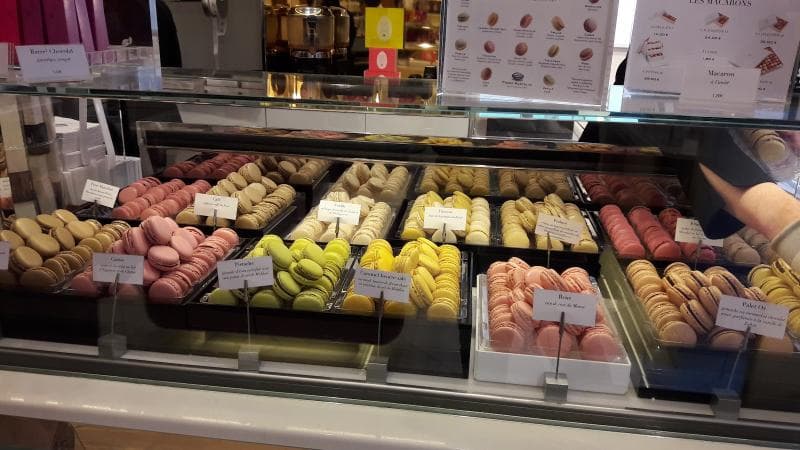
Over the years, the Galeries Royales Saint-Hubert has woven itself into the fabric of Brussels' history, hosting notable figures and significant events. During his exile in Brussels (1851-1870), Victor Hugo famously wrote letters from an apartment within the galleries. The site also has connections to Charlotte Brontë, who lived nearby. A commemorative plaque proudly marks the location of the first public showing of the Lumière brothers' motion picture camera on March 1, 1896, highlighting its pioneering role in cinematic history. The arcade is a paradise for chocolate lovers, being home to six major Belgian chocolatiers, including Neuhaus, Mary, Godiva, Corné Port-Royal, Leonidas, and Pierre Marcolini. It was at Neuhaus, within these very galleries, that the filled praline was invented in 1912, a culinary innovation that became synonymous with Belgian chocolate. The galleries also served as a meeting point for artists and intellectuals, including surrealist painters and members of the Cobra group, fostering a rich cultural exchange.
Visitor Perspective
Visiting the Galeries Royales Saint-Hubert offers a delightful experience for any traveler. Entry to the galleries themselves is free, and they are typically open long hours daily, allowing for leisurely strolls through this historic passage. While individual shops and establishments have their own operating hours, the architectural grandeur can be admired at almost any time. Expect to find an array of upscale boutiques, exquisite chocolate shops perfect for sampling or gift-buying, charming cafes, and restaurants. The galleries are easily accessible, situated conveniently between Brussels-Central station and the iconic Grand-Place, making it a natural part of any central Brussels exploration. For the best photography and a quieter ambiance, an early morning visit on weekdays is recommended, allowing the soft natural light through the glass roof to create a magical atmosphere. Even if not planning purchases, the stunning 19th-century engineering and historic ambiance make it a worthwhile destination to soak in a piece of Belgian heritage.
Coordinates: 4.355, 50.8475
View on Google Maps💬 How Travelers Describe This Place
Based on community votes
Unique
989Beautiful
613Photogenic
603Interesting
581Must See
207
Traveler Stories
Discover memorable experiences shared by travelers who have visited this place.
No traveler stories yet.
Be the first traveler to share what made this place memorable.
Things to see at Galeries Royales Saint-Hubert



Tour
By
Spot
Discover amazing places around the world. Your journey starts here.
Explore
© 2026 TourBySpot. All rights reserved.