Gachapon Hall
Tokyo, Japan
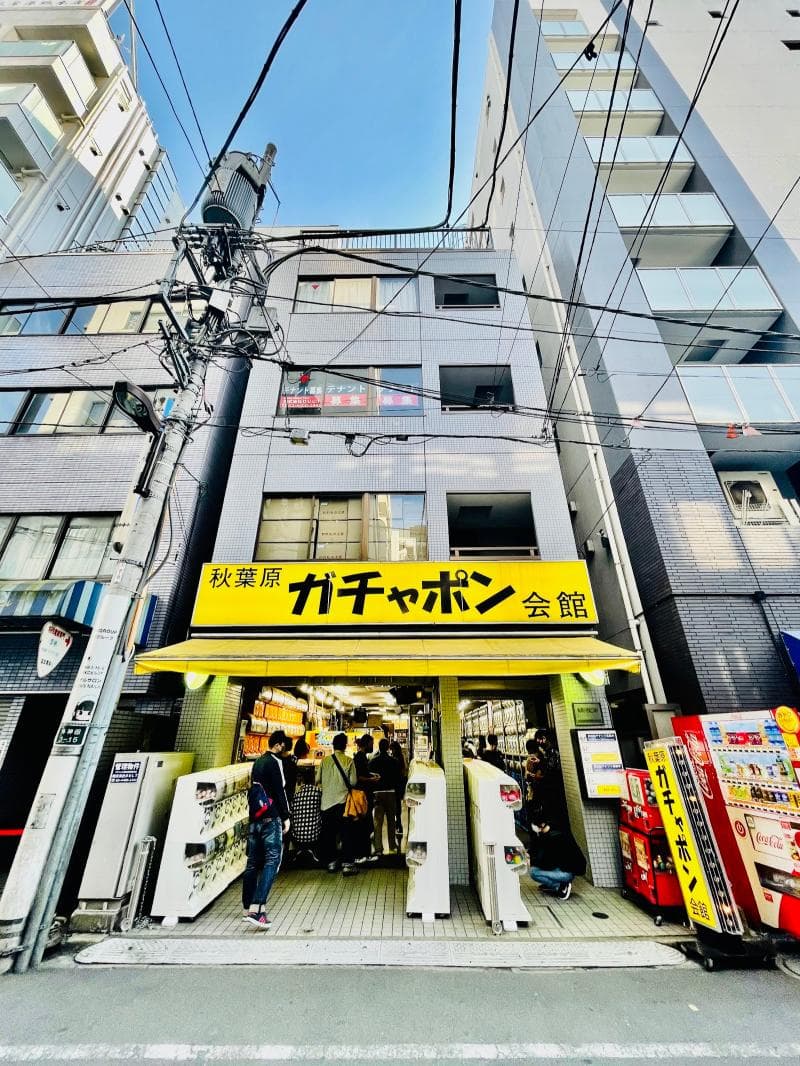
Explore Akihabara Gachapon Hall in Tokyo, Japan – a vibrant hub for capsule toys. Discover its history, unique culture, and vast collection.
Overview
Step into the vibrant world of Akihabara Gachapon Hall, often referred to as Akihabara Gachapon Kaikan, a unique sub-spot nestled in the heart of Tokyo's iconic Akihabara district. This specialized destination is a true paradise for enthusiasts of Japanese capsule toys, known as 'gachapon' or 'gashapon'. The hall is home to approximately 400 to 500 gachapon machines, offering an astonishing and ever-changing array of miniature treasures. Visitors are invited to partake in a delightful game of chance, inserting coins and turning a crank to receive a mysterious capsule containing anything from beloved anime characters and detailed figures to whimsical animal models, miniature food replicas, and utterly unique, quirky items. The excitement lies in the surprise, a thrilling element that captivates both seasoned collectors and curious travelers alike.
History & Cultural Background
The fascinating journey of gachapon began not in Japan, but with the coin-operated gumball machines of the United States in the 1960s. However, it was in Japan that the concept truly blossomed into a distinct cultural phenomenon. In 1965, Ryuzo Shigeta, affectionately known as 'the Grandfather of Gachapon', introduced the first machines to Japan, revolutionizing the idea by enclosing each toy in a plastic ball. The name 'gachapon' itself is a charming example of Japanese onomatopoeia, derived from the 'gacha' sound of the machine's crank turning and the 'pon' of the capsule dropping into the retrieval tray. Toy giant Bandai further solidified its place in Japanese culture by trademarking the term 'Gashapon' in 1977. Today, gachapon represents more than just a vending machine; it is a beloved aspect of Japanese pop culture, cherished by people of all ages for its blend of nostalgia, surprise, and accessible collecting.
What Makes It Special
Akihabara Gachapon Hall stands out as a premier destination due to its sheer scale and thoughtfully curated selection. With hundreds of machines packed into its space, it boasts one of the largest concentrations of gachapon in Tokyo, and potentially the country. What truly sets it apart is the incredible diversity of items available; approximately 50 new titles arrive each month, ensuring a fresh and exciting experience with every visit. Beyond the latest trends, the Hall also prides itself on offering nostalgic and even vintage gachapon that can be difficult to find elsewhere. For those who wish to delve deeper into the history of these charming capsule toys, a mini museum corner on the fourth floor showcases a collection of old and rare gachapon, providing a fascinating glimpse into their evolution.
Stories, Fun Facts & Local Details
The allure of gachapon extends beyond the physical toy; it's deeply rooted in the communal joy of the hunt and the thrill of the unexpected. Collectors often share their 'pulls', trade duplicates, and discuss new releases, fostering a unique social ecosystem. A delightful local detail is the occasional 'atari' or 'win' sticker found on some capsules, which can be collected and exchanged for a free turn at a machine. The contents of gachapon machines are incredibly varied; while anime and manga figures are popular, you might also discover hyper-realistic miniature models of everyday objects, tiny animal figures in humorous poses, or even historical artifacts. This eclectic mix ensures that there's always something to pique anyone's interest, whether they are 'otaku' culture enthusiasts or simply seeking a whimsical souvenir. The experience itself is often described as addictive, with the element of chance creating a unique blend of anticipation and satisfaction.
Visitor Perspective
Visiting Akihabara Gachapon Hall is an immersive experience that delights the senses. The vibrant, densely packed space, filled with rows upon rows of colorful machines, creates an energetic atmosphere. For the best experience, travelers are advised to bring a plentiful supply of 100-yen coins, as these are the primary currency for most machines, though change machines are typically available on-site. While it can get crowded, especially on weekends, the friendly staff are usually on hand to assist. Free Wi-Fi is also provided, allowing visitors to instantly share their exciting finds. Whether you leave with a coveted collectible or a wonderfully bizarre trinket, the true magic of Akihabara Gachapon Hall lies in the joyous process of discovery and the childlike wonder it evokes. It's a place where the simple act of turning a crank can lead to a moment of pure, unadulterated fun, leaving you with a memorable piece of Tokyo's playful spirit.
Coordinates: 139.773539, 35.701191
View on Google Maps💬 How Travelers Describe This Place
Based on community votes
Unique
995Beautiful
964Photogenic
929Interesting
730Must See
482
Traveler Stories
Discover memorable experiences shared by travelers who have visited this place.
No traveler stories yet.
Be the first traveler to share what made this place memorable.

Tour
By
Spot
Discover amazing places around the world. Your journey starts here.
Explore
© 2026 TourBySpot. All rights reserved.