Fruit vendors
Osaka, Japan
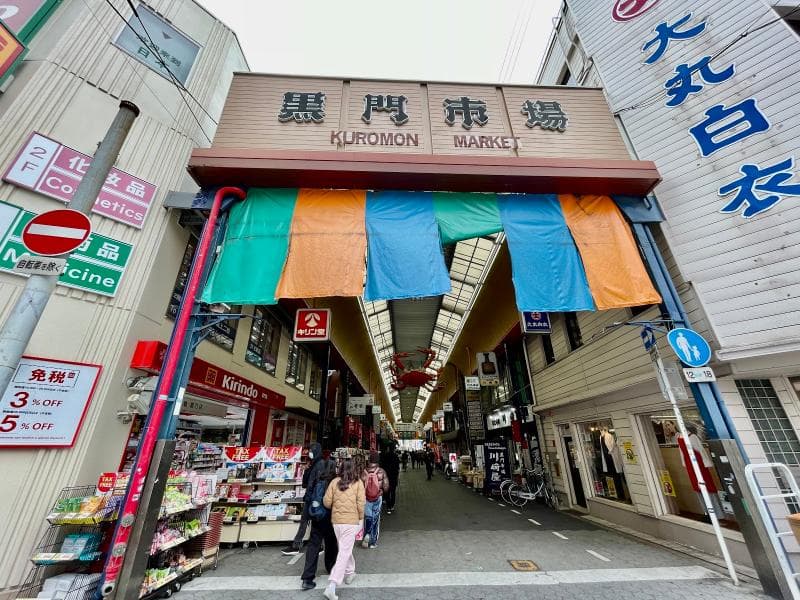
Discover the vibrant fruit vendors of Kuromon Ichiba Market in Osaka, Japan. Explore seasonal, luxury fruits and delve into Japan's unique fruit-gifting culture.
Overview
Stepping into Kuromon Ichiba Market in Osaka, Japan, is an immersion into a vibrant culinary world, often affectionately called 'Osaka's Kitchen'. Among its bustling aisles, the fruit vendors stand out, offering a dazzling array of nature's finest produce. This historic market, stretching approximately 580 meters, is home to around 150 shops, with a significant portion dedicated to fresh fruits and vegetables.
Unlike typical Western markets, the fruit stalls here are not merely about sustenance; they are a showcase of artistry and a reflection of Japan's deep-rooted cultural appreciation for high-quality produce. Visitors will find meticulously arranged displays of seasonal delights, from glistening strawberries to perfectly ripe melons, often cut into convenient portions for immediate enjoyment or crafted into refreshing juices.
History & Cultural Background
The origins of Kuromon Ichiba Market trace back to the Edo Period, specifically around the early 19th century, when fish traders began congregating near a temple known for its 'black gate' (Kuromon). This gave the market its enduring name. It officially became a recognized market in 1902 and has since evolved into a central hub for both local residents and professional chefs seeking the freshest ingredients.
The cultural significance of fruit in Japan extends far beyond mere consumption. Historically, fruits were presented as offerings at Shinto shrines and Buddhist altars, and as tokens of appreciation to powerful figures like samurai and shoguns in the 14th century. This tradition has cultivated a culture where fruit is often considered a luxury item, prized for its pristine appearance, exquisite taste, and seasonality. Receiving fruit as a gift is a reason for celebration, and such gifts are typically chosen with meticulous care and often come in elaborate packaging, akin to jewelry boxes. Farmers dedicate immense care to growing 'perfect' fruits, prioritizing quality over quantity, which contributes to their premium status and sometimes astonishing prices.
What Makes It Special
The fruit vendors within Kuromon Ichiba Market are special because they embody this unique Japanese philosophy towards fruit. Here, you're not just buying fruit; you're often engaging with a product that represents generations of horticultural expertise and cultural reverence. Stalls present their seasonal offerings with an almost jewel-like precision, making each piece visually appealing.
You might encounter 'designer fruits' – varieties cultivated for their superior quality and often sold at premium prices, such as muscat grapes or highly prized melons. Many vendors offer fruit in ready-to-eat forms, like skewered strawberries, melon slices, or freshly blended juices, providing a perfect opportunity to sample these delicacies on the go. This focus on immediate enjoyment, combined with the sheer quality and variety, sets the Kuromon fruit experience apart.
Stories, Fun Facts & Local Details
A fun aspect of exploring the fruit vendors is witnessing the seasonal transitions. Each season brings its own star produce: spring might feature sweet strawberries, summer boasts juicy peaches and crisp watermelons, while autumn offers persimmons and grapes. Some stalls, like Kuromon Nabeji, are known for unique varieties, such as strawberries in three different colors. While some high-end fruits can indeed be expensive – with melons occasionally selling for thousands of dollars at auction – the market also provides more accessible options for tasting. Look for local specialties and don't hesitate to ask vendors for recommendations; many are happy to share insights into their produce.
Visitor Perspective
For a curious traveler, the fruit vendors at Kuromon Ichiba Market offer a delightful sensory experience. The vibrant colors and sweet aromas create an inviting atmosphere. It's a place where you can taste the seasons of Japan and gain insight into a fascinating aspect of its culinary culture. Many shops allow you to sample items or purchase small, convenient portions, making it easy to try a variety without committing to a whole fruit.
When visiting, remember the local etiquette: while the market supports a 'tabe aruki' (eating while strolling) culture, it's polite to dispose of your trash properly and avoid obstructing pathways. The friendly vendors, the artistic displays, and the exceptional quality of the fruits make a visit to this section of Kuromon Ichiba Market an unforgettable part of any Osaka itinerary. It’s a chance to savor the 'real stuff' – the honma mon – that Osaka is famous for.
Coordinates: 135.50698, 34.66457
View on Google Maps💬 How Travelers Describe This Place
Based on community votes
Must See
996Unique
673Photogenic
186Beautiful
143Interesting
80
Traveler Stories
Discover memorable experiences shared by travelers who have visited this place.
No traveler stories yet.
Be the first traveler to share what made this place memorable.

Tour
By
Spot
Discover amazing places around the world. Your journey starts here.
Explore
© 2026 TourBySpot. All rights reserved.