Fresh Produce Area
Bishkek, Kyrgyzstan
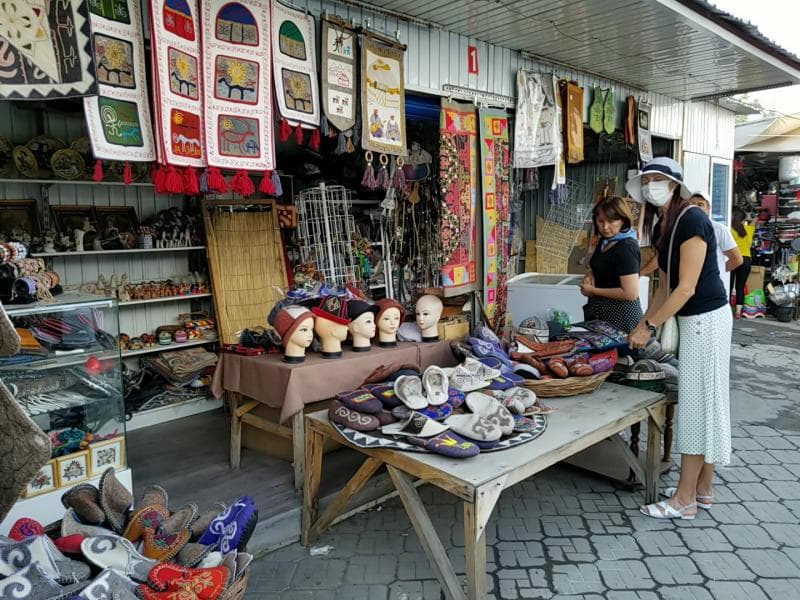
Explore the vibrant Fresh Produce Area of Osh Bazaar in Bishkek, Kyrgyzstan, a sensory journey through Central Asian culture and local delicacies.
Overview
The Fresh Produce Area of Osh Bazaar in Bishkek, Kyrgyzstan, is not merely a section of a market; it is a vibrant, living spectacle, a sensory deep-dive into the heart of the country's culinary and cultural soul. This bustling hub is where the daily rhythms of Kyrgyz life are most palpable, offering an authentic glimpse into local commerce and traditions. Far more than just a place to buy groceries, it's a social space where locals gather, bargain, and exchange news. The market, one of Bishkek's largest, is renowned for its diverse inventory, stretching from seasonal fruits and vegetables to aromatic spices and traditional dairy products. Visitors can expect a kaleidoscope of colors, a symphony of sounds, and a rich tapestry of aromas, making every visit a memorable journey.
History & Cultural Background
Osh Bazaar itself holds a significant place in Bishkek's history, having served as a commercial and cultural center for generations. While some sources mention Osh Bazaar in Bishkek was created around 1983, the concept of a bustling market at this location, particularly for food, dates back much further. Initially, it was known as a ‘Green Bazaar’ – a dedicated food market overflowing with fresh vegetables, fruits, and herbs. Bazaars in Central Asia have historically been more than just trading posts; they are fundamental to social organization and community life, connecting peoples, cultures, and traditions along ancient Silk Road routes. This deep-rooted heritage is evident in the current layout and atmosphere of the Fresh Produce Area, which continues to reflect the region's enduring trading traditions.
What Makes It Special
What sets the Fresh Produce Area apart is its raw, unfiltered authenticity. It is not polished or curated for tourists, but rather a genuine reflection of Kyrgyz daily life. The sheer abundance and variety of seasonal produce are astounding, with piles of apricots, cherries, melons, and countless vegetables stacked high in wooden crates. Beyond the common, one discovers unique local dairy products like creamy homemade cheeses and fresh yogurt, along with traditional flatbreads (lepyoshka) baked in clay ovens. The vendors, often calling out prices in Kyrgyz, Russian, and sometimes Uzbek, contribute to a dynamic sensory experience. This area is a vibrant mosaic of Central Asia's heritage, where the connection to the land and traditional foodways is immediately apparent.
Stories, Fun Facts & Local Details
Wandering through the Fresh Produce Area often feels like stepping into a living story. One might encounter the iconic round flatbreads, `lepyoshka`, stamped with traditional patterns, their golden crusts warm and inviting. Another fascinating sight is `kurut`, snow-white, sour-smelling dried cottage cheese balls, often used to make a national sour milk drink. While navigating the maze of stalls, you'll hear the musical cadence of vendors, a testament to the market's role as a social hub where stories and news are as freely exchanged as goods. It's a place where the simple act of buying vegetables becomes an interaction rich with cultural nuance, embodying the spirited trading traditions of Central Asia.
Visitor Perspective
For a curious traveler, the Fresh Produce Area offers an immersive and utterly captivating experience. It is recommended to arrive early, typically between 8-9 AM, to witness the market at its most vibrant, enjoy the freshest goods, and avoid the peak crowds. This also allows for better light for photography and more attentive vendors. While initially overwhelming due to the bustling crowds, noise, and sheer volume of goods, the experience quickly becomes unforgettable. Visitors should bring cash in Kyrgyz Som, as most vendors prefer it. Wearing comfortable walking shoes and carrying a small backpack for purchases will enhance the visit. The Osh Bazaar is open daily, though some suggest avoiding Mondays. Engaging with friendly vendors, even with a language barrier, adds to the charm, allowing for a deeper connection to the local culture.
Coordinates: 74.569722, 42.874722
View on Google Maps💬 How Travelers Describe This Place
Based on community votes
Beautiful
791Photogenic
613Unique
514Must See
457Interesting
207
Traveler Stories
Discover memorable experiences shared by travelers who have visited this place.
No traveler stories yet.
Be the first traveler to share what made this place memorable.

Tour
By
Spot
Discover amazing places around the world. Your journey starts here.
Explore
© 2026 TourBySpot. All rights reserved.