Fountains
Basel, Switzerland
Discover Basel's historic fountains in the Altstadt, Switzerland. Explore their history, unique art, and local tradition of bathing.
Overview
As you wander through the enchanting cobblestone streets and hidden squares of Basel's Altstadt, a delightful surprise awaits around almost every corner: its numerous historic fountains. Far more than mere water features, these 'Brunnen' are an integral part of the city's identity, history, and daily life. Basel boasts nearly 300 well-maintained and beautiful historic fountains across the city, with over 200 gracing the picturesque Old Town alone. These artistic and functional installations provide a constant source of refreshment and charm, making them a unique calling card for Basel. Many are recognized for their cultural and historical significance, often listed as historical monuments, showcasing the city's deep appreciation for both utility and art.
History & Cultural Background
The history of Basel's fountains is deeply intertwined with the city's development, reflecting centuries of civic life and artistic evolution. Historically, these fountains served a vital role, providing essential public water supplies to residents long before modern plumbing. They were gathering places, centers of community activity, and testaments to the city's prosperity and craftsmanship. Many of Basel's fountains are not just practical utilities but genuine works of art, meticulously crafted from materials like stone, bronze, and cast iron, often adorned with intricate designs and figures. The oldest among them, such as the Fischmarktbrunnen, date back to the late 14th century, showcasing an enduring tradition of public water provision and artistic expression. This blend of functionality and aesthetic appeal highlights a rich cultural heritage that continues to flow through Basel's urban landscape.
What Makes It Special
What truly sets Basel's fountains apart is their multifaceted role in contemporary city life and their incredible diversity. Almost all of Basel's public fountains offer clean, fresh, and free drinking water, making them an invaluable resource for locals and visitors alike, especially on warm days. This constant flow of high-quality tap water, amounting to about one million liters per day, is meticulously maintained by the local utility, IWB, ensuring hygiene and freshness. Beyond their practical use, the fountains serve as open-air art galleries, each with its own story and distinct character. From elaborate Renaissance sculptures to whimsical modern installations, they offer a journey through different artistic eras. A truly unique aspect is the nearly century-old tradition of bathing in many of these historic fountains, a beloved custom among Baslers to cool off during summer. You might witness children splashing or even adults enjoying a refreshing dip, turning public spaces into lively urban oases.
Stories, Fun Facts & Local Details
- The Holbein Fountain: Near the Spalentor, you will find the Holbein Fountain, a beautiful example of Renaissance art. The current fountain is a 19th-century copy, with the 16th-century original preserved in the Historical Museum. Its dancing peasant figures are inspired by a woodcut by Hans Holbein the Younger, while a bagpiper figure echoes Albrecht Dürer's work, creating a lively scene in stone.
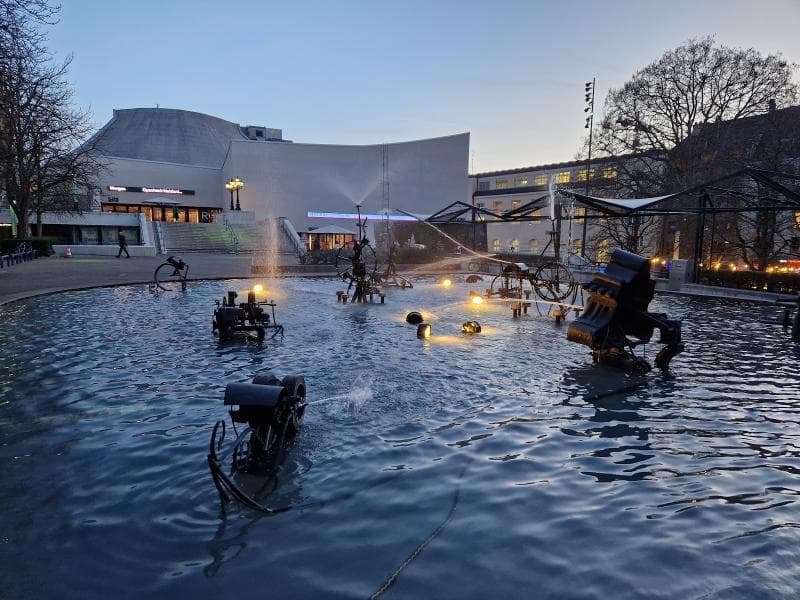
- The Tinguely Fountain (Fasnachts-Brunnen): A striking contrast to the older stone fountains, the Tinguely Fountain, created by Swiss artist Jean Tinguely in 1977, is a dynamic, modern spectacle. Located where the old city theatre once stood, it features ten mechanical iron figures, crafted from scraps of the dismantled theatre. These figures, powered by low-voltage current, appear to interact and splash water, symbolizing the actors and dancers who once performed on that very spot. It is particularly captivating when lit at night or when its water freezes into artistic formations in winter.
- Basilisk Fountains: Keep an eye out for the mythical basilisk, Basel's heraldic animal, depicted on many fountains across the city. This creature, part rooster, part dragon, and part serpent, is a recognizable symbol of Basel and adds a touch of local folklore to numerous water sources. Around 28 basilisk fountains, first designed in 1884, continue to operate, featuring the creature holding the city's coat of arms and spouting water.
- The Fischmarktbrunnen: Considered Switzerland's oldest public fountain, the Fischmarktbrunnen dates back to 1390. This religiously themed monument features statues of angels, saints, and prophets, making it a significant historical and artistic landmark in the Old Town.
Visitor Perspective
For the curious traveler, encountering Basel's fountains is an intimate way to connect with the city's soul. As you navigate the winding alleys, each fountain offers a moment of pause and discovery. They are not merely landmarks to observe but active participants in the urban experience. You can quench your thirst with cool, refreshing water straight from a historic spout, or, on a warm summer day, perhaps even dip your feet, or more, into one of the designated bathing fountains. The sounds of gurgling water provide a soothing soundtrack to exploration, inviting reflection on the past while engaging with the vibrant present. The fountains encapsulate Basel's unique character – a city that beautifully preserves its heritage while embracing a lively, communal spirit. They serve as constant reminders of the city's long history, its artistic flair, and its commitment to public well-being, enriching every step of your journey through the Altstadt.
Coordinates: 7.5882, 47.5587
View on Google Maps💬 How Travelers Describe This Place
Based on community votes
Interesting
551Unique
547Beautiful
336Photogenic
298Must See
219
Traveler Stories
Discover memorable experiences shared by travelers who have visited this place.
No traveler stories yet.
Be the first traveler to share what made this place memorable.

Tour
By
Spot
Discover amazing places around the world. Your journey starts here.
Explore
© 2026 TourBySpot. All rights reserved.