Fountain Plaza
Astana, Kazakhstan
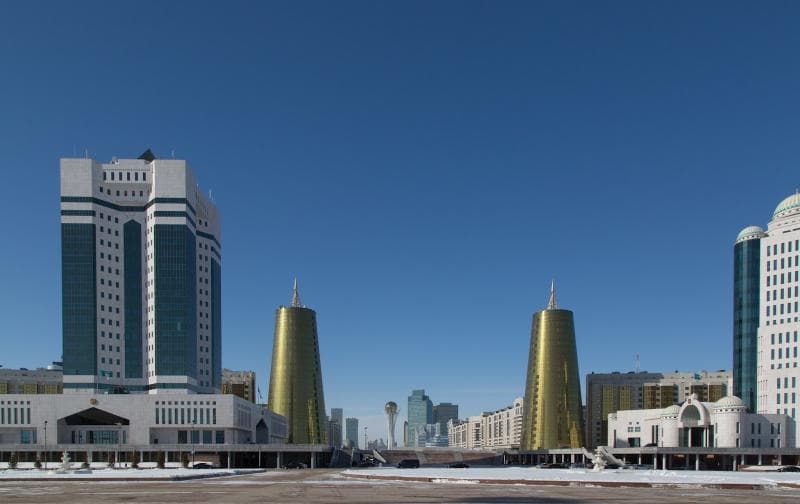
Explore Fountain Plaza in Astana, Kazakhstan, a dynamic bird-shaped fountain in Presidential Park complementing the Ak Orda Presidential Palace.
Overview
Nestled within the grand urban landscape surrounding the Ak Orda Presidential Palace in Astana, Kazakhstan, lies an impressive outdoor space often referred to as the Fountain Plaza. This expansive area serves as a ceremonial approach to the presidential residence, a place where architectural grandeur meets thoughtful landscaping. While the name 'Fountain Plaza' might not be its official designation, it colloquially refers to the prominent fountain area within the Presidential Park, which is a key component of the palace's external ensemble. [3, 13, 15] It is a vibrant public space that beautifully complements the stately presence of Ak Orda, offering visitors a unique blend of visual splendor and symbolic depth. [9, 10]
The Fountain Plaza is primarily characterized by its magnificent water feature, which takes on a distinctive bird-like shape when viewed from above. [8, 9, 10] This innovative design allows the area to function dually: in the mornings, its granite basins form a pedestrian square, offering a wide, open plaza for visitors. [8, 9, 10] As the day progresses, water jets gradually fill these basins, transforming the plaza into a dynamic fountain where water cascades like a flowing river. [8, 9, 10]
History & Cultural Background
The Ak Orda Presidential Palace itself, inaugurated in 2004, is a powerful symbol of Kazakhstan's modern statehood and independence. [3, 4, 7] Its name, 'Ak Orda,' translates to 'White Headquarters' or 'White Residence,' reflecting both its pristine white marble facade and a historical connection to the White Horde, an ancient state formation in the region. [3, 7] This blend of historical continuity and contemporary aspiration is mirrored in the design of its surrounding landscape, including the Fountain Plaza.
The central water feature within the plaza holds deep cultural significance. It is shaped to resemble the mythical Samruk bird, a phoenix-like creature in Turkic mythology that symbolizes life, freedom, and rebirth. [8, 9, 10] This choice of symbolism is deliberate, representing Kazakhstan's aspirations for a bright future and its rich cultural heritage. [4, 7, 9] The strategic location of the palace and its water features also incorporates principles of feng shui, where water symbolizes wealth and prosperity, enhancing the auspiciousness of the presidential complex. [7]
What Makes It Special
What truly sets the Fountain Plaza apart is its ingenious dual functionality and profound symbolism. Unlike conventional fountains, this dynamic installation transforms from a dry pedestrian square in the morning into a cascading water display throughout the day. [8, 9, 10] This metamorphic quality adds an element of surprise and engagement for visitors. The bird-shaped design, visible from elevated viewpoints, is a masterful artistic and architectural feat, subtly embedding a national legend into the city's modern fabric. [8, 9] This integration of myth into urban design offers a unique cultural experience that goes beyond mere aesthetics.
Furthermore, the plaza is an integral part of the larger government quarter, seamlessly connecting the Ak Orda Palace with other significant landmarks like the Bayterek monument and the Palace of Peace and Reconciliation via Nurzhol Boulevard. [3, 17] The meticulous landscaping, featuring flower paths and carefully planned approach routes, enhances the solemn and welcoming atmosphere, making the entire area a harmonious blend of nature, architecture, and national pride. [13, 15]
Stories, Fun Facts & Local Details
The myth of the Samruk bird tells of a magical creature that lays its golden egg, representing the sun, in the Tree of Life. This ancient legend is powerfully evoked by the fountain's design, linking the nation's political heart to its spiritual and historical roots. The concept of the fountain's daily transformation—from dry ground to flowing water—can be seen as a metaphor for the country's continuous development and renewal. [8, 9, 10]
A fun fact for travelers is the careful application of feng shui principles in the palace's siting. The choice of location by the Ishim River is considered auspicious, as the river's curve is likened to a 'Jade Belt,' symbolizing prosperity and abundance. [7] The Ak Orda Palace itself, featuring on the 10,000 tenge banknote, further emphasizes its importance as a national symbol. [3, 7] While access to the palace interior is typically restricted or available through organized tours, the outdoor Fountain Plaza and Presidential Park offer an unhindered opportunity to appreciate the grandeur and symbolism of this significant site. [3, 17]
Visitor Perspective
For a curious traveler, a visit to the Fountain Plaza and the surrounding Presidential Park offers a chance to immerse oneself in the architectural and cultural heartbeat of Astana. While direct entry into the Ak Orda Presidential Palace is limited to official tours or specific events, the exterior grounds provide an excellent vantage point for appreciation and photography. [3, 17] Visitors can enjoy leisurely strolls along the well-maintained paths, admire the play of water in the fountain, and capture panoramic views of the modern skyline. [3]
The experience is particularly memorable as one approaches the palace, with the vastness of the plaza and the unique design of the Samruk fountain unfolding. The area provides a serene yet majestic setting, ideal for understanding the aspirations and rich heritage of Kazakhstan. It's a place where you can feel the pulse of the nation's capital, reflecting on its past, present, and future, all within a beautifully designed urban landscape. The best times to visit are during daylight hours to fully appreciate the fountain's transformation and the architectural details. [3]
Coordinates: 71.44639, 51.12583
View on Google Maps💬 How Travelers Describe This Place
Based on community votes
Interesting
836Photogenic
797Unique
255Must See
231Beautiful
86
Traveler Stories
Discover memorable experiences shared by travelers who have visited this place.
No traveler stories yet.
Be the first traveler to share what made this place memorable.

Tour
By
Spot
Discover amazing places around the world. Your journey starts here.
Explore
© 2026 TourBySpot. All rights reserved.