Fountain Of Friendship
Berlin, Germany
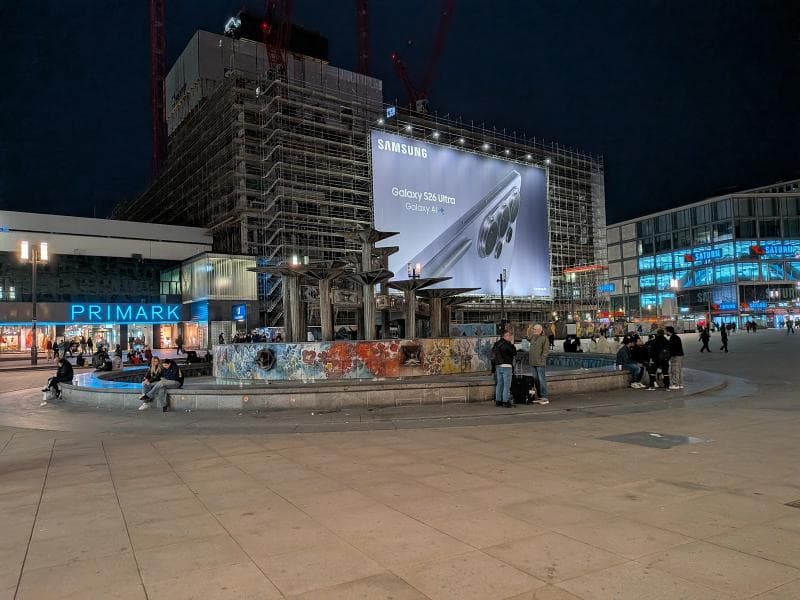
Discover the Fountain of Friendship (Brunnen der Völkerfreundschaft) in Berlin's Alexanderplatz. Explore its history, unique design, and symbolism of unity.
Overview
Nestled within the bustling heart of Berlin's Alexanderplatz, the Fountain of Friendship, known locally as the 'Brunnen der Völkerfreundschaft', stands as a striking symbol of unity and a popular meeting point. This prominent water feature, measuring an impressive 6.2 meters in height and approximately 22 to 23 meters in diameter, gracefully integrates into the dynamic urban landscape of the city. Its cascading waters and intricate design offer a moment of tranquility amidst the energetic rhythm of Alexanderplatz, drawing both locals and curious travelers to its reflective pools. The fountain is more than just a decorative element; it's a testament to Berlin's rich history and its continuous evolution, reflecting a message of connection that resonates through its artistic details and historical context.
History & Cultural Background
The Fountain of Friendship was designed by the esteemed East German artist Walter Womacka and constructed between 1969 and 1970, officially unveiled on October 7, 1970, coinciding with the 21st anniversary of the German Democratic Republic (GDR). This artwork emerged during a period of significant urban redevelopment in Alexanderplatz, intended to embody the ideals of peace and solidarity among nations, a message deeply rooted in the socialist modernism of the era. Womacka led a collective in its creation, with Hans-Joachim Kunsch notably executing the intricate metalwork. The fountain was conceived as part of a broader effort to use public art to promote socialist principles, serving as a powerful emblem of international friendship during the Cold War.
What Makes It Special
The Fountain of Friendship's unique appeal lies in its intricate design and profound symbolism. It features a spiral arrangement of 17 leaf-shaped or rhombus-shaped basins, crafted from materials such as hardstone, ceramic, glass, steel, and copper. Water cascades gracefully from a smaller upper basin, flowing through these progressively deeper shells and exiting via eight floral-shaped outlets into a larger lower basin. A copper band adorned with colored glass crystals runs between the metal supports, adding a shimmering visual effect. The outer wall of the inner basin is decorated with an enamel frieze showcasing vibrant plant and animal motifs, while the mosaics throughout the fountain depict scenes of unity and cooperation among various cultures. This elaborate design, with its use of flowing water, was an unusual engineering feat for a public square in the 1970s.
Stories, Fun Facts & Local Details
The symbolic meaning of the Fountain of Friendship is thoughtfully integrated into its design. The continuous flow of water from one shell to another is intended to represent friendship being shared and carried from person to person, eventually spreading across the entire square, into the city, and out into the world. The vibrant colors of the mosaics, rich in reds, blues, and golds, along with depictions of white doves, butterflies, and flowers, collectively symbolize peace and the interconnectedness of humanity. Although its official name translates to 'Fountain of Friendship between Peoples', it was once colloquially known by a more suggestive nickname due to activities in the surrounding area, a detail that reflects a bygone era of Berlin's diverse history. The fountain underwent restoration work in 2022, ensuring its continued splendor for future generations.
Visitor Perspective
Visiting the Fountain of Friendship offers a moment of reflection and a chance to appreciate public art and urban planning. Located centrally on Alexanderplatz, a major transport hub, it is exceptionally easy to reach via Berlin's extensive public transportation network, including S-Bahn, U-Bahn, and tram lines. The area around the fountain is flat and wheelchair accessible, making it an inclusive spot for all visitors to enjoy. Travelers often find the soothing sound of its cascading waters a welcome contrast to the lively atmosphere of the square, providing a pleasant backdrop for relaxation, people-watching, or simply taking a break from sightseeing. It serves as an ideal meeting point and a perfect spot to observe the dynamic pulse of Berlin, connecting past ideologies with present-day life in one of the city's most iconic locations.
Coordinates: 13.41277, 52.52203
View on Google Maps💬 How Travelers Describe This Place
Based on community votes
Interesting
852Must See
326Beautiful
270Unique
146Photogenic
80
Traveler Stories
Discover memorable experiences shared by travelers who have visited this place.
No traveler stories yet.
Be the first traveler to share what made this place memorable.

Tour
By
Spot
Discover amazing places around the world. Your journey starts here.
Explore
© 2026 TourBySpot. All rights reserved.