Food Stalls
Vienna, Austria
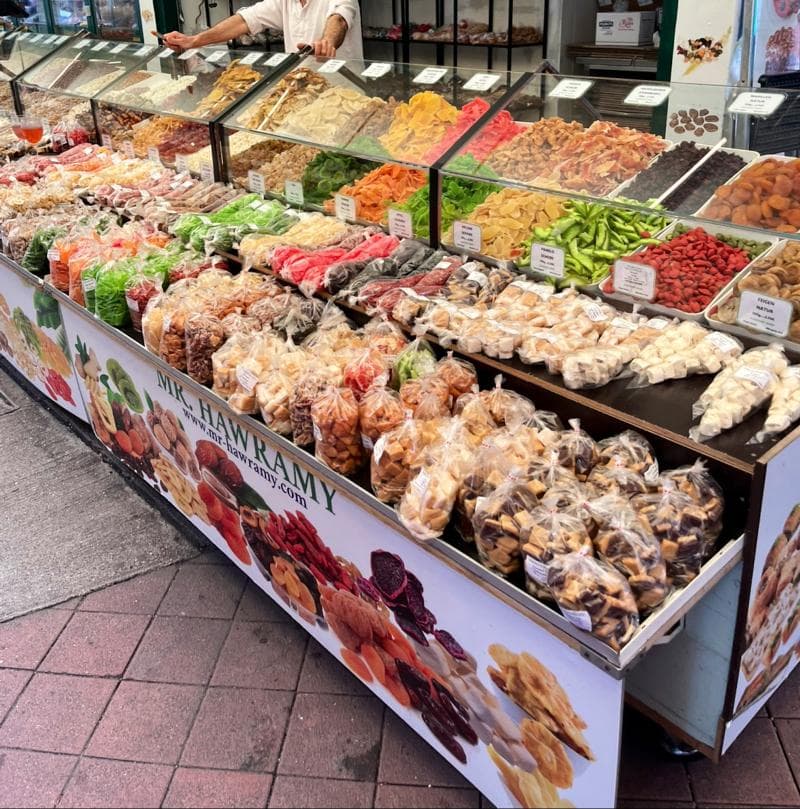
Explore the vibrant food stalls of Naschmarkt in Vienna, Austria. Discover diverse cuisines, rich history, and local delicacies at this iconic market.
Overview
The Naschmarkt, often affectionately called the 'Belly of Vienna,' is the city's largest and most famous open-air market, stretching approximately 1.5 kilometers along the Wienzeile between Karlsplatz and Kettenbrückengasse. This vibrant culinary hub boasts between 120 and 130 stalls and eateries, offering an astonishing array of fresh produce, exotic spices, baked goods, cheeses, meats, seafood, and prepared international dishes. It is a place where traditional Austrian flavors meet the tastes of the Middle East, Mediterranean, and Asia, creating a truly unique and multicultural atmosphere.
Visitors can explore two main sections: one primarily dedicated to food stalls selling ingredients and delicacies, and another bustling with small restaurants and cafés where one can savor ready-to-eat meals. The market is a sensory delight, filled with the colorful displays of fresh fruits and vegetables, the fragrant aromas of spices, and the lively sounds of vendors and shoppers. On Saturdays, a popular flea market extends the market's reach, especially towards the western end, adding another layer of discovery for treasure hunters.
History & Cultural Background
The Naschmarkt's history is as rich and varied as its offerings, tracing its origins back to the 16th century. It was originally known as the 'Aschmarkt,' a name whose derivation has a few theories. Some suggest it referred to the 'Asch,' ash wood buckets used for selling milk, or perhaps to the trade in ash used as fertilizer. Another theory points to the site being a former landfill for ash and waste. Initially, the market specialized in dairy products, but by the late 18th century, it expanded to include fruits and vegetables.
A significant transformation occurred around 1820 when the 'Aschmarkt' became known as the 'Naschmarkt.' This new name is thought to have come from the German word 'naschen,' meaning 'to nibble' or 'to snack,' reflecting the market's growing reputation for sweet delicacies and treats. The market moved to its current location and was rebuilt with distinctive Art Nouveau pavilions, a process largely completed by 1916 following the regulation of the Wien River. Throughout the mid-20th century, due to changing immigration patterns, the market's character evolved further, moving beyond purely Austrian produce to embrace a wider Middle Eastern, Mediterranean, and Asian culinary influence, solidifying its status as a melting pot of cultures.
What Makes It Special
What truly sets the Naschmarkt's food stalls apart is their unparalleled culinary diversity. It is a place where you can find traditional Viennese specialties side-by-side with Israeli shakshuka, Turkish börek, Vietnamese pho, and Persian flatbreads. The market is renowned for the freshness and exceptional quality of its produce, spices, and specialty foods, with vendors often allowing generous samples to entice visitors. From elaborately arranged fruit displays to vast containers of aromatic spices, the visual presentation alone is a feast for the eyes, evoking the sensation of an oriental bazaar.
Beyond raw ingredients, the Naschmarkt is home to numerous small restaurants and cafés, many housed in modern architectural settings, offering a diverse dining experience that caters to every taste. A recent addition is the modern market hall at the western entrance, featuring carefully curated stalls with a strong focus on local origin, quality, and craftsmanship, complemented by a unique green rooftop terrace offering views over the Wien Valley. This blend of historical charm, international flair, and commitment to quality makes the Naschmarkt a standout destination.
Stories, Fun Facts & Local Details
The very name 'Naschmarkt' embodies a delightful local detail – the joy of 'naschen,' or indulging in small treats and nibbles. This tradition is alive and well, with vendors eager to offer tastes of olives, cheeses, or exotic fruits as you wander through the aisles. Among its famed establishments are Neni, known for its Israeli-Viennese cuisine and arguably the city's best shakshuka, and Umar, highly regarded for its fresh fish dishes. Other notable stalls include Tewa for organic options and Orient & Occident for authentic Turkish home cooking.
Beyond the well-known, you might discover unique seasonal delights like 'Sturm,' a fizzy, fermenting grape juice popular in autumn, or specialized stalls offering a vast array of pickles, often with a 'try before you buy' policy, like the famed Käseland for cheeses. The market is also a fantastic spot for a Viennese breakfast, offering warm 'Semmel' (Vienna rolls), artisanal coffee, and international options like Middle Eastern shakshuka. For quick bites, grab a sun-dried tomato mozzarella sandwich or seasonal grilled pumpkin wedges.
Visitor Perspective
For a curious traveler, visiting the Naschmarkt is an immersive sensory experience. The vibrant colors, the rich tapestry of aromas – from spices to fresh bread – and the lively chatter of vendors and shoppers create an unforgettable atmosphere. The best approach is to simply wander and let your senses guide you, sampling as you go. Many suggest starting at the Kettenbrückengasse end and walking eastward to experience the market's evolution.
While the market is open Monday through Saturday, it can be particularly crowded on Saturdays, especially with the addition of the flea market. For a more relaxed visit, weekdays are recommended. It's wise to carry some cash, as many stalls are a mix of cash and card, but cash is often preferred, particularly at the flea market. Conveniently located, the Naschmarkt is easily accessible via the U4 metro line, with stops at Kettenbrückengasse and Karlsplatz. After exploring the market, nearby attractions like the Secession Building and Theater an der Wien offer further cultural enrichment.
Coordinates: 16.36395, 48.1988
View on Google Maps💬 How Travelers Describe This Place
Based on community votes
Photogenic
948Unique
595Beautiful
358Interesting
196Must See
19
Traveler Stories
Discover memorable experiences shared by travelers who have visited this place.
No traveler stories yet.
Be the first traveler to share what made this place memorable.

Tour
By
Spot
Discover amazing places around the world. Your journey starts here.
Explore
© 2026 TourBySpot. All rights reserved.