Flagpole Area
Dushanbe, Tajikistan
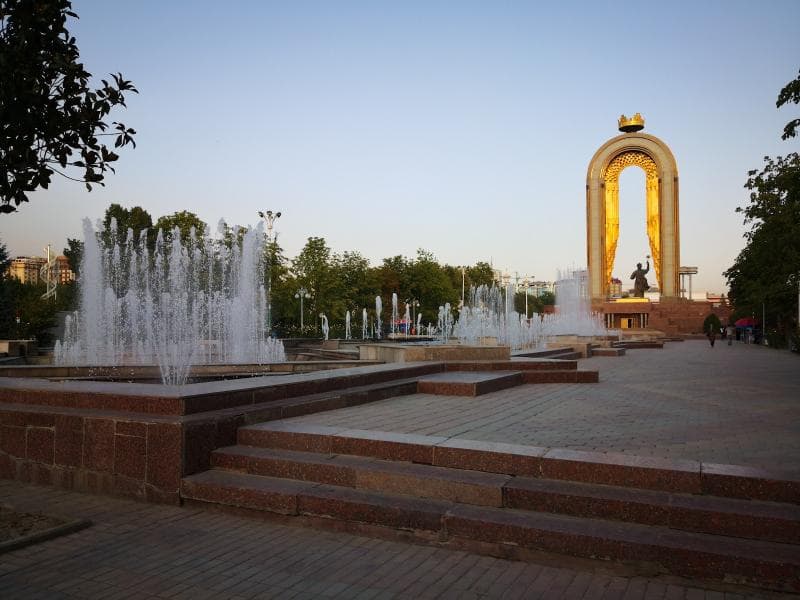
Discover the impressive Flagpole Area in Rudaki Park, Dushanbe, Tajikistan, home to one of the world's tallest flagpoles and a vibrant national symbol.
Overview
In the heart of Dushanbe, Tajikistan, within the sprawling and meticulously landscaped Rudaki Park, stands a monumental testament to national pride: the Flagpole Area. This impressive landmark is dominated by the Dushanbe Flagpole, an engineering marvel that once held the prestigious title of the world's tallest freestanding flagpole. Soaring to a height of 165 meters (541 feet), it commands attention and serves as a powerful symbol for the nation. More than just a towering structure, the Flagpole Area offers visitors a unique blend of historical significance, cultural insights, and a serene environment for reflection amidst the bustling capital. It is a key feature that anchors the broader recreational space of Rudaki Park, inviting both locals and travelers to explore its grandeur.
History & Cultural Background
The Dushanbe Flagpole was erected to commemorate the 20th anniversary of Tajikistan's independence, a pivotal moment in the nation's modern history. Construction commenced on November 24, 2010, a date celebrated as National Flag Day in Tajikistan, and the flag was proudly raised for its first full test in May 2011. From its completion in 2011 until 2014, this flagpole stood as the tallest in the world, a remarkable achievement that garnered international attention for Dushanbe. It was designed and built by the San Diego-based company Trident Support, showcasing a significant feat of global collaboration and engineering.
The flagpole proudly flies the national flag of Tajikistan, a tricolor banner rich with symbolism. The flag features horizontal stripes of red, white, and green. Red represents the unity of the nation, victory, and sunrise, as well as the sacrifices made by warriors and the country's historical ties to the Soviet era. The central, wider white stripe symbolizes purity, morality, the snow and ice of Tajikistan's majestic mountains, and its significant cotton industry, also signifying peace and friendship. Green signifies the bountiful generosity of nature, the fertile valleys, the religion of Islam, and the celebration of Novruz. At the heart of the white stripe is a golden crown surmounted by an arc of seven stars. The crown represents the Tajik people itself—as 'taj' in popular etymology connects to the Persian word for crown—and signifies statehood, independence, and sovereignty. The seven stars are deeply rooted in Persian mythology, where the number seven is associated with perfection and happiness.
What Makes It Special
The sheer scale of the Dushanbe Flagpole is what truly sets it apart. At 165 meters, it is an imposing structure that is visible from many parts of the city. While it no longer holds the world record for height, having been surpassed by the Jeddah Flagpole in 2014, it remains a significant global landmark, currently ranking as the fifth tallest flagpole worldwide. The flag it carries is equally impressive, measuring a colossal 30 by 60 meters (98 by 197 feet) and weighing approximately 700 kilograms (1,540 pounds). This monumental display makes a powerful visual statement about national identity and pride.
Beyond its impressive dimensions, the Flagpole Area is special because of its integration into Rudaki Park. It serves as a majestic focal point within a vibrant green space that offers respite and recreation. The flagpole's presence transforms the park into a patriotic canvas, where the symbolic flag ripples against the Dushanbe sky, constantly reminding visitors of Tajikistan's independence and cultural heritage. It's a place where modern engineering meets profound national sentiment, creating an atmosphere of quiet dignity and overt celebration.
Stories, Fun Facts & Local Details
The Dushanbe Flagpole's journey to becoming a national icon wasn't without its challenges. There are reports of the initial 350-kilogram flag being ripped by strong winds, highlighting the immense forces that such a large banner must endure. This speaks to the sheer engineering required to maintain such an ambitious display. The construction itself was a massive undertaking, with 12-meter sections of steel tubing transported from Dubai and assembled on-site, a process that took five months to complete.
Locals often refer to the surrounding area as 'Flagpole Park' or a 'national park' theme, emphasizing its role beyond just being a flagpole. It's a gathering place for celebrating national holidays and simply enjoying the beauty of Dushanbe. The act of raising and lowering such an enormous flag is a ceremonial event that underscores the deep respect and pride Tajiks hold for their national symbols.
Visitor Perspective
Visiting the Flagpole Area within Rudaki Park offers a multi-faceted experience. Travelers are encouraged to stroll through the beautifully landscaped grounds, which feature pathways shaded by mature trees, decorative fountains, and vibrant flower gardens. The park also houses the central Rudaki Monument, dedicated to the revered Persian poet Abu Abdullah Rudaki, after whom the park is named. Visitors can enjoy views of the nearby Palace of Nations and the National Museum of Tajikistan, making the Flagpole Area a central point for exploring Dushanbe's civic and cultural heart.
The atmosphere here shifts throughout the day; mornings might see joggers and elderly men playing chess, while evenings come alive with locals enjoying the cooler air and the soft glow of lights. The musical fountains in the park, particularly on weekends, offer a delightful spectacle of synchronized light and music, adding to the emotional and sensory experience of the visit. It's a place for peaceful walks, photography, and simply soaking in the pulse of modern Dushanbe, all under the watchful presence of the soaring national flag. It's an accessible and free-to-enter destination, inviting everyone to partake in its beauty and significance.
Coordinates: 68.78436, 38.57645
View on Google Maps💬 How Travelers Describe This Place
Based on community votes
Beautiful
545Must See
343Interesting
211Photogenic
74Unique
20
Traveler Stories
Discover memorable experiences shared by travelers who have visited this place.
No traveler stories yet.
Be the first traveler to share what made this place memorable.

Tour
By
Spot
Discover amazing places around the world. Your journey starts here.
Explore
© 2026 TourBySpot. All rights reserved.