Fishing Boats
Reykjavik, Iceland
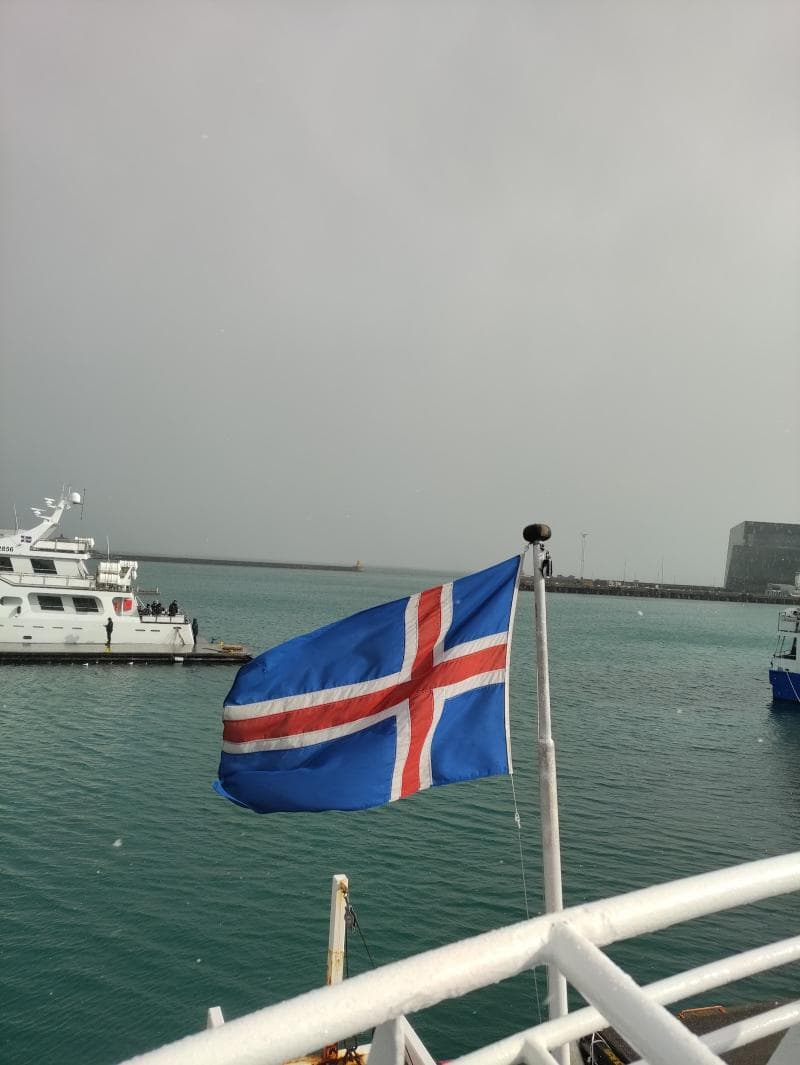
Explore Reykjavik's Old Harbour fishing boats in Iceland, a vibrant hub where maritime history meets modern life. Discover Icelandic fishing culture and heritage.
Overview
Stepping into Reykjavik's Old Harbour, known locally as Gamla Höfnin, offers a profound glimpse into Iceland's enduring connection with the sea. While this vibrant waterfront district has transformed into a modern cultural and culinary hub, its soul remains deeply maritime. The sight of robust fishing boats, ranging from smaller, older wooden vessels to contemporary steel trawlers, is a constant reminder of the industry that shaped the nation. They sit proudly alongside whale-watching vessels, their presence a testament to the harbour's ongoing role as a working port. This picturesque area seamlessly blends its rich fishing heritage with contemporary life, making it a captivating destination for any curious traveler.
History & Cultural Background
The story of Reykjavik Old Harbour is inextricably linked with Iceland's journey to becoming an independent nation. Its formal construction began in 1913 and was completed by 1917, marking its establishment as Reykjavik's primary fishing port. Before this, the natural harbour was already a vital nexus for trade and fishing, a key factor in Reykjavik's growth into the capital city it is today.
For over a thousand years, fishing has been the unwavering backbone of Iceland's economy and culture. With limited arable land and virtually no mineral resources, the sea was, for centuries, the sole source of wealth and survival. Early settlers relied on simple hand lines and open rowing boats, braving the harsh North Atlantic. Over time, advancements like steam and diesel engines revolutionized the industry, allowing fishermen to venture further and increase their catches. This deep-seated reliance on the ocean fostered a unique maritime identity, evident even in the fiercely defended 'Cod Wars' of the 20th century, where Iceland asserted its fishing rights against other nations.
By the 1990s, changing fishing practices led to parts of the harbour becoming underutilized. However, a significant urban regeneration began around 2001, transforming old warehouses into cultural spaces, such as the Reykjavik Art Museum's Hafnarhús. This revival breathed new life into the area, creating a dynamic district that honors its past while embracing its future.
What Makes It Special
What truly sets the fishing boats of Reykjavik Old Harbour apart is their living, breathing authenticity. Unlike many historic ports that have become purely ornamental, this remains an active, working harbour. Visitors can witness the daily ritual of trawlers unloading their fresh catch, typically between 7:00 and 9:00 each morning, especially in the eastern section of the port. This provides a genuine connection to the industry that still sustains Iceland.
The visual spectacle is also enchanting. The colourful fishing boats, often set against the backdrop of Mount Esja and the Harpa Concert Hall, offer stunning photographic opportunities. You might see modern steel trawlers docked next to older wooden vessels, some even featuring contemporary wheelhouses mounted on historic hulls, showcasing the evolution of fishing technology. The Reykjavik Maritime Museum, housed in a former fish freezing plant, further enriches the experience by chronicling Iceland's maritime history, including the story of the coastguard ship Óðinn, which played a crucial role in the Cod Wars and is now a museum ship moored at Pier 3.
Stories, Fun Facts & Local Details
Iceland's fishing heritage is rich with fascinating stories and cultural nuances. Cod, often referred to as 'white gold,' was historically the nation's most important export, sustaining the population through harsh winters and driving its economy. The practice of drying and salting fish, known as harðfiskur, was vital for food preservation and trade, being light, durable, and nutritious.
A unique detail in Iceland's boat-building history is the scarcity of local timber. Lacking indigenous trees, early fishing vessels were either imported, built from driftwood, or crafted from costly imported timber. Fishing boats under sail were the backbone of the fleet for a long time before motorization became widespread. The Kolaportið fish market, operating on weekends, continues a centuries-old tradition of selling fresh seafood directly from the boats, allowing visitors to taste the sea's bounty.
Beyond economics, fishing is deeply woven into Icelandic folklore and identity, with tales of sea monsters and resilient fishermen reflecting the profound relationship between the people and the ocean. Traditional dishes like Plokkfiskur (a creamy fish gratin) exemplify how fish remains central to the Icelandic diet and culinary traditions.
Visitor Perspective
For a curious traveler, the fishing boats at Reykjavik Old Harbour offer more than just a sight; they provide an authentic, immersive experience. It's a place to slow down, breathe in the salty air, and observe the daily rhythm of a working port. Walking along the docks, you can hear the practical sounds of the harbour – the gentle creak of ropes, the hum of engines, and the cries of gulls – all contributing to an atmosphere that feels both historic and alive.
Observing the fishermen at work, whether unloading their catch or preparing their vessels, offers a respectful insight into a way of life that has defined Iceland for centuries. Opportunities for sea angling tours from the harbour provide a chance to engage directly with this tradition, often culminating in a freshly grilled meal on board. The area encourages exploration and reflection, allowing visitors to appreciate the enduring spirit of Icelandic seamanship and the unwavering resilience of a nation forged by the sea.
Coordinates: -21.9436, 64.151
View on Google Maps💬 How Travelers Describe This Place
Based on community votes
Interesting
696Photogenic
466Must See
225Unique
200Beautiful
159
Traveler Stories
Discover memorable experiences shared by travelers who have visited this place.
No traveler stories yet.
Be the first traveler to share what made this place memorable.

Tour
By
Spot
Discover amazing places around the world. Your journey starts here.
Explore
© 2026 TourBySpot. All rights reserved.