Fine Arts Galleries
Geneva, Switzerland
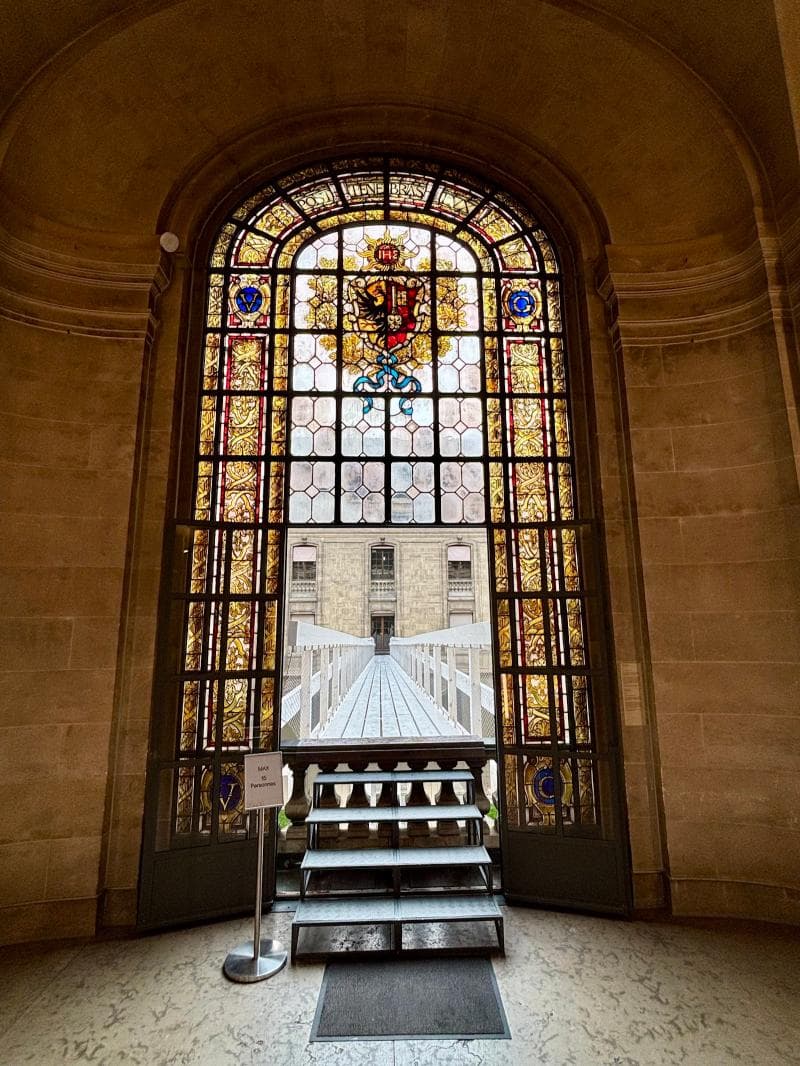
Explore the Fine Arts Galleries at the Musée D’Art Et D’Histoire in Geneva, Switzerland. Discover masterpieces from the Middle Ages to the 20th century, including works by Konrad Witz, Rembrandt, Liotard, and Hodler. A must-visit cultural gem.
Overview
Nestled in the heart of Geneva, Switzerland, the Musée D’Art Et D’Histoire (MAH) stands as one of the country's largest and most significant cultural institutions. Its Fine Arts Galleries offer a captivating journey through centuries of artistic expression, forming a crucial part of the museum's encyclopedic collection. With over 650,000 objects spanning archaeology, applied arts, and fine arts, the MAH provides a comprehensive look at human creativity and history. The Fine Arts section, specifically, showcases an impressive array of paintings, sculptures, and works on paper, tracing artistic developments from the Middle Ages right up to the 20th century.
Visiting these galleries is like stepping into a carefully curated anthology of art, where each piece tells a unique story. It is a place where both casual admirers and seasoned art enthusiasts can find beauty and historical depth, exploring diverse schools of art from across Europe and beyond. The permanent collections are generally accessible for free, inviting everyone to discover its treasures at their own pace.
History & Cultural Background
The origins of the Musée D’Art Et D’Histoire are deeply rooted in Geneva's commitment to culture and education, stretching back to the early 19th century. The institution as we know it today is a culmination of several earlier collections, notably the Musée des Beaux-Arts, founded in 1826, and the Musée Académique, established in 1818, which initially focused on natural history and archaeology.
Over the 19th century, these disparate collections were gradually acquired by the City of Geneva and expanded significantly through numerous donations, including an impressive collection of weapons from the State of Geneva in 1870. The growing size of these holdings soon necessitated a new, grander home. A competition for a new museum design was held in 1900, and thanks to a generous bequest from banker Charles Galland, the current building was constructed between 1903 and 1910 by architect Marc Camoletti. This magnificent building, located on the former fortification ring in Les Tranchées, was designed to unify Geneva's rich artistic and historical heritage under one roof, establishing the MAH as a cornerstone of Swiss cultural identity.
What Makes It Special
What truly distinguishes the Fine Arts Galleries at the Musée D’Art Et D’Histoire is the remarkable breadth and quality of its collection. Visitors can immerse themselves in works spanning Italian, Dutch, French, English, Genevan, and Swiss Schools. A standout masterpiece is Konrad Witz's 'The Miraculous Draught of Fishes' (1444), celebrated for being the oldest topographically accurate landscape in Western easel painting.
Beyond this iconic piece, the galleries boast significant works by internationally renowned artists such as Rembrandt, Cézanne, and Modigliani. The museum also holds an unparalleled collection of works by Genevan artists, including the largest worldwide collection of pieces by Jean-Étienne Liotard and an extensive array of drawings by Ferdinand Hodler, whose 241 sketchbooks housed here represent almost his entire known corpus. The Department of Works on Paper is particularly impressive, offering insights into graphic arts from the 15th century onwards, and even includes a notable collection of Japanese prints. The thoughtful arrangement of pieces on the upper level, organized chronologically from the 15th century to the 1930s, ensures a coherent and enriching experience for all.
Stories, Fun Facts & Local Details
The Musée D’Art Et D’Histoire is not just a repository of art; it is a living testament to Geneva's artistic spirit. The emphasis on Genevan and Swiss artists, such as Ferdinand Hodler and Félix Vallotton, highlights the city's unique contribution to the art world. The museum proudly showcases portraits and landscapes by these national figures, providing a deep dive into the local artistic movements that have shaped Switzerland's cultural landscape.
Interestingly, despite its vast collection of over 650,000 objects, only a small portion is on permanent display at any given time. This means that the museum constantly rotates its exhibits, particularly smaller works and works on paper, to ensure their conservation and offer visitors fresh perspectives with each visit. Another fascinating detail is the presence of 'The Big Crunch Clock' on the museum's façade since 2021, a digital artwork by Genevan artist Gianni Motti, which counts down the estimated time until the sun collapses, offering a quirky, thought-provoking addition to the museum's exterior.
Visitor Perspective
A visit to the Fine Arts Galleries at the Musée D’Art Et D’Histoire is an engaging and flexible experience. The museum encourages visitors to explore at their own pace, following their interests rather than a strict path. The fine arts, including paintings, sculptures, and works on paper, are primarily displayed on the upper level. While the sheer volume of the collection is immense, the thoughtful presentation allows for focused viewing of key periods and artists.
For those seeking a deeper engagement, the museum offers printed themed tours at the reception and audio guides accessible via smartphone. Thursday evenings are particularly vibrant, with the museum remaining open longer, often hosting special events, concerts, or openings of temporary exhibitions. Whether you have an hour or an entire afternoon, the Fine Arts Galleries provide a rewarding encounter with artistic heritage, inviting contemplation and discovery within Geneva's premier cultural landmark.
Coordinates: 6.151574, 46.199304
View on Google Maps💬 How Travelers Describe This Place
Based on community votes
Interesting
685Unique
446Photogenic
399Must See
152Beautiful
33
Traveler Stories
Discover memorable experiences shared by travelers who have visited this place.
No traveler stories yet.
Be the first traveler to share what made this place memorable.

Tour
By
Spot
Discover amazing places around the world. Your journey starts here.
Explore
© 2026 TourBySpot. All rights reserved.