Exhibition Rooms
Vientiane, Laos
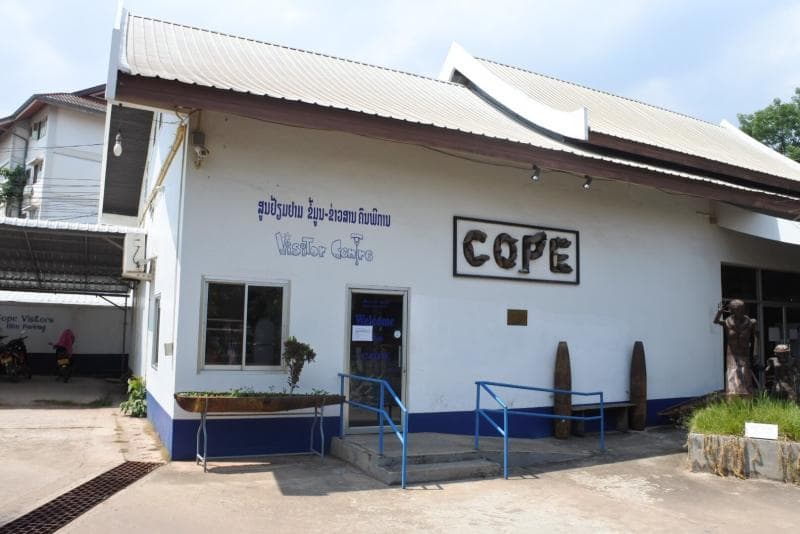
Discover the impactful Exhibition Rooms at COPE Visitor Centre in Vientiane, Laos, revealing the lasting human cost of unexploded ordnance (UXO) and the resilience of its people.
Overview
The Exhibition Rooms within the COPE Visitor Centre in Vientiane, Laos, offer a profoundly moving and essential insight into the enduring impact of unexploded ordnance (UXO) in the country. COPE, an acronym for Cooperative Orthotic and Prosthetic Enterprise, is a Lao non-profit organization dedicated to providing rehabilitation services and prosthetic limbs to those affected by these devastating remnants of war. The Visitor Centre, established to raise awareness and garner support, serves as a powerful educational space where visitors can learn about Laos's unique history and the ongoing humanitarian challenges faced by its people. It is widely considered one of Vientiane's most significant attractions, offering a sobering yet hopeful experience.
Housed within the Centre for Medical Rehabilitation, the exhibition invites travelers to understand the scale of the UXO problem and the resilience of the Lao people. Entry is free, though donations are gratefully accepted and directly support COPE's vital work in providing mobility assistance and care. The displays feature a compelling mix of historical context, personal narratives, and tangible artifacts, ensuring a comprehensive understanding of this complex issue.
History & Cultural Background
Laos holds the tragic distinction of being, per capita, the most heavily bombed country in history. Between 1964 and 1973, during what is often referred to as the 'Secret War' that coincided with the Vietnam War, the United States dropped over two million tons of ordnance on Laos. An estimated 270 million cluster submunitions, locally known as 'bombies', were deployed, with approximately 30 percent failing to detonate upon impact. This has left a deadly legacy of around 80 million unexploded bombies scattered across the country, particularly in rural areas.
These silent killers continue to pose a grave threat, causing injuries and fatalities decades after the conflict ended. Farmers, tilling their land, and especially children, mistaking the small, round devices for toys, are frequent victims. Recognizing this immense humanitarian crisis, the Lao Ministry of Health and other NGOs established COPE in 1996. The Visitor Centre itself opened in 2008, aiming to educate both locals and international visitors about this ongoing tragedy and the efforts to help survivors 'move on'.
What Makes It Special
The Exhibition Rooms stand out for their raw honesty and profound impact. They forgo sensationalism, instead presenting factual information and human stories with dignity and compassion. Visitors are guided through thoughtfully designed exhibits that explain the history of UXO contamination, its pervasive effects on daily life, and COPE's dedicated work in rehabilitation. The atmosphere is intentionally subdued; dim lighting, quiet audio testimonies in Lao and English, and even creaking floors contribute to a contemplative environment, urging visitors to slow down and absorb the gravity of the message.
Perhaps the most striking features are the tangible displays: rusted bomb casings transformed into sculptures, scorched bomb fragments, and a powerful collection of prosthetic limbs. A wall displaying handmade prosthetic legs crafted from scrap aluminum by villagers stands in stark contrast to more modern carbon-fiber alternatives, illustrating the ingenuity and ongoing need within communities. The exhibition's ability to connect historical events with contemporary human suffering and resilience makes it an incredibly powerful and unforgettable experience.
Stories, Fun Facts & Local Details
The heart of the Exhibition Rooms lies in its storytelling. Video testimonies and personal accounts put faces and voices to the statistics, sharing the journeys of survivors who have lost limbs but not their spirit. These narratives highlight the physical and psychological toll of UXO accidents but also celebrate the recovery and newfound independence fostered by COPE's support.
One unique feature is the 'Cave Cinema,' a screening room designed to resemble the underground bunkers used by the Pathet Lao during the war. Here, visitors can watch documentaries detailing the history of UXO and COPE's impactful work. Outside, art installations made from discarded bomb materials, such as a sculpture of a mother and child, serve as poignant reminders of the war's legacy. Some displays even show household items ingeniously crafted from military equipment, a testament to the resourcefulness of the Lao people, though it also underscores the pervasive danger of unaware interaction with such materials.
Visitor Perspective
Many travelers describe their visit to the COPE Exhibition Rooms as one of the most meaningful and impactful experiences of their time in Laos. The Centre is located on Khouvieng Road in central Vientiane, within the grounds of the Centre for Medical Rehabilitation, making it easily accessible by foot or tuk-tuk from most parts of the city. While entry is free, visitors are encouraged to contribute to the donation box, as all proceeds directly fund the provision of prosthetic limbs and rehabilitation services.
Most visitors spend between one to two hours exploring the exhibits, watching films, and reflecting on the information presented. The experience is often described as sobering, yet it leaves visitors with a profound appreciation for the resilience of the Lao people and the critical work performed by COPE. There is also a small gift shop offering handicrafts and souvenirs, and the Karma Cafe next door provides a quiet space for reflection over fair-trade coffee, with all profits supporting COPE's mission.
Coordinates: 102.620308, 17.957704
View on Google Maps💬 How Travelers Describe This Place
Based on community votes
Beautiful
728Unique
481Must See
382Interesting
183Photogenic
28
Traveler Stories
Discover memorable experiences shared by travelers who have visited this place.
No traveler stories yet.
Be the first traveler to share what made this place memorable.

Tour
By
Spot
Discover amazing places around the world. Your journey starts here.
Explore
© 2026 TourBySpot. All rights reserved.