Exhibition Halls
Bergen, Norway
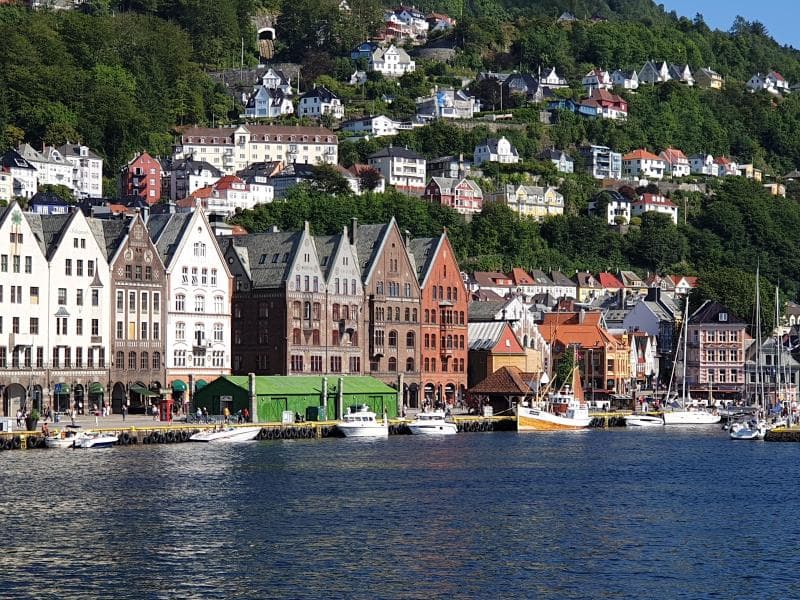
Explore the Bergenhus Fortress Exhibition Halls in Bergen, Norway, delving into Norway's military history, WWII resistance, and cultural heritage.
Overview
Nestled within the historic Bergenhus Fortress in Bergen, Norway, the Exhibition Halls, primarily known as the Bergenhus Fortress Museum, offer a deep dive into centuries of Norwegian history. This significant cultural institution is housed within the Provisions Building (Magasinbygget) on the Koengen grounds, providing visitors with a comprehensive understanding of the fortress's pivotal role and broader national narratives. Entrance to the museum is free, making it an accessible and enriching stop for any curious traveler.
The museum’s diverse exhibits cover critical periods and themes, from the fortress's medieval origins as a royal seat to its complex involvement in World War II and the ongoing contributions of women to Norway's armed forces. It serves as a guardian of military and cultural heritage, presenting factual accounts through artifacts, documents, and historical narratives. The setting itself, within one of Norway's oldest and best-preserved fortifications, enhances the immersive experience, inviting exploration beyond the typical tourist path.
History & Cultural Background
Bergenhus Fortress boasts a history stretching back to the 13th century, making it one of Norway's most enduring historical sites. It was originally established as a royal residence by King Håkon Håkonsson and functioned as a central hub of power when Bergen held the esteemed position of Norway's capital. Over time, its purpose evolved, serving as a military base, a defensive stronghold, and an administrative center for western and northern Norway, even after the union with Denmark in the 16th century.
The Bergenhus Fortress Museum was officially opened on April 9, 2006, after dedicated efforts to establish a museum specifically focused on the resistance movement during World War II. The idea for such a museum had been pursued since shortly after the war, finally coming to fruition through the support of the Norwegian Armed Forces and the Bergen Defence Association. The museum's establishment underscores the nation's commitment to preserving and sharing the stories of those who defended Norway's freedom and heritage.
What Makes It Special
The Exhibition Halls at Bergenhus Fortress stand out due to their exceptional focus on specific, yet universally significant, historical events and societal changes. One of its most poignant features is the extensive exhibition dedicated to the Norwegian resistance movement during World War II. This display goes beyond mere facts, delving into the civilian and military resistance efforts in and around Bergen, detailing intelligence operations, sabotage, and the immense sacrifices made. It even sensitively portrays the fate of Bergen's Jewish minority during the Holocaust, offering a critical and comprehensive look at this dark period.
Furthermore, the museum uniquely highlights the 'Women's Contribution to the Norwegian Armed Forces'—an often overlooked aspect of military history. This exhibition illustrates the diverse roles women have played throughout history, from individual acts of bravery to collective efforts, and explores both the opportunities and limitations they encountered. Another special aspect is the 'History of Bergenhus Fortress' exhibition itself, which traces the fortress's transformation from a medieval royal court to a formidable defense installation, using reconstructed uniforms, weapons, models, and graphic representations to bring its long and complex past to life.
Stories, Fun Facts & Local Details
Wandering through the Bergenhus Fortress Exhibition Halls, one encounters numerous stories that breathe life into Norway's past. Imagine the clandestine operations of the underground press during the German occupation, a critical component of civilian resistance, providing uncensored news when official media was controlled. The museum showcases how these secret publications became a vital lifeline for the population.
A fascinating, though somber, detail covered is the explosion at Festningskaien in 1944. This accidental event, involving a German ammunition ship, caused significant damage to the ancient buildings within Bergenhus, including Haakon's Hall and the Rosenkrantz Tower. The museum chronicles the painstaking restoration efforts that followed, bringing these medieval structures back from the brink.
Beyond the larger narratives, the museum offers glimpses into specific battles, like the Battle of Vågen in 1665, when the fortress valiantly resisted an English attack on a Dutch merchant fleet seeking refuge in Bergen's neutral harbor. These detailed accounts connect visitors directly to the moments that shaped Norway's destiny. The exhibitions are not just dry historical presentations; they are a collection of human stories, struggles, and triumphs, often supported by unique photographs and personal accounts.
Visitor Perspective
For the curious traveler, the Exhibition Halls provide a journey through time that is both educational and deeply moving. The free admission means that all can access this rich repository of Norwegian heritage without financial barrier. The exhibits are well-regarded for their informative nature, with most texts and descriptions thoughtfully translated into multiple languages, including English, French, Spanish, and German. This commitment to accessibility ensures that international visitors can fully engage with the narratives presented.
Visitors often appreciate the critical perspective offered by the museum, particularly in its examination of World War II and the resistance movement. It is a place where one can spend a considerable amount of time absorbing the details, whether exploring the role of women in the armed forces or understanding the broader history of Bergenhus Fortress from the medieval era through the 19th century. The museum’s location within the larger fortress grounds also allows for a natural transition to explore the surrounding historical buildings, such as Haakon's Hall and the Rosenkrantz Tower, further enriching the overall experience of this ancient stronghold.
Coordinates: 5.318540698482321, 60.399975884931344
View on Google Maps💬 How Travelers Describe This Place
Based on community votes
Interesting
996Photogenic
726Beautiful
494Unique
193Must See
125
Traveler Stories
Discover memorable experiences shared by travelers who have visited this place.
No traveler stories yet.
Be the first traveler to share what made this place memorable.

Tour
By
Spot
Discover amazing places around the world. Your journey starts here.
Explore
© 2026 TourBySpot. All rights reserved.