Exhibition Galleries
Riga, Latvia
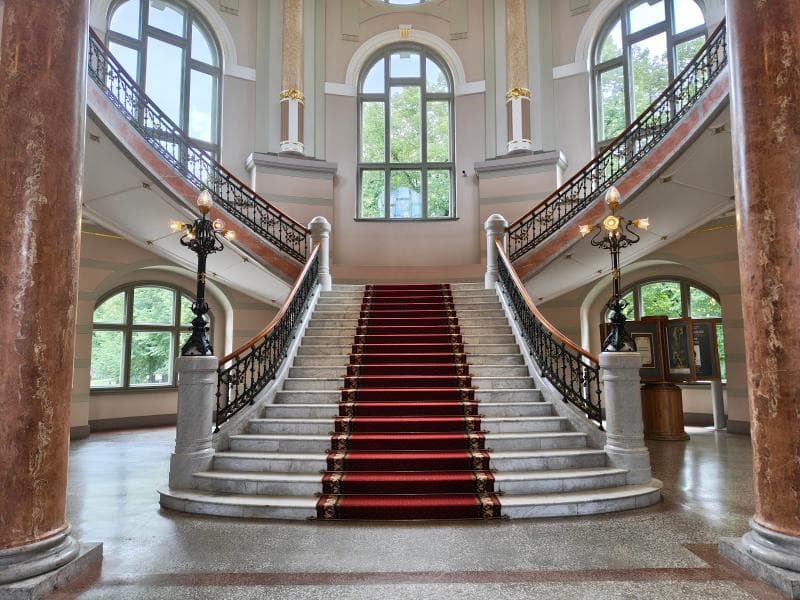
Explore the Exhibition Galleries of the Latvian National Museum of Art in Riga, Latvia, showcasing two centuries of national art and a rich history.
Overview
Stepping into the Exhibition Galleries of the Latvian National Museum of Art in Riga, Latvia, is like embarking on a captivating journey through the heart of Latvian artistic expression. Housed within a majestic architectural landmark, these galleries are the primary custodians of the nation's visual heritage. Visitors discover a rich tapestry of art, from foundational 18th-century pieces to significant 20th-century movements, thoughtfully displayed to illuminate the evolution of Latvian identity through the eyes of its creators. The main building's exhibition spaces not only feature a comprehensive permanent collection but also host dynamic temporary exhibitions, showcasing both national and international artistic dialogues.
The museum, often referred to by its Latvian acronym LNMM, serves as the most important art museum in the country, boasting a collection that spans over 65,000 to 100,000 works of art. This central hub offers a profound insight into Latvian painting, graphic art, and sculpture, presented in an environment where historical grandeur meets modern functionality.
History & Cultural Background
The story of the Latvian National Museum of Art's Exhibition Galleries begins with a vision for preserving and showcasing the nation's artistic treasures. Its roots trace back to 1869, when it was established as the Riga City Picture Gallery. The iconic main building, which today houses these significant galleries, was constructed between 1903 and 1905. It holds the distinction of being the first building in the entire Baltic region specifically erected for the purpose of an art museum.
Designed by the Baltic German architect Wilhelm Neumann, who also served as the museum's first director, the building itself is a masterpiece of Historicist style, incorporating elements of Baroque forms and finished with plaster, sandstone, and granite. For over a century, this structure has stood as a cultural beacon. A comprehensive reconstruction and renovation project, undertaken from 2010 to 2015 and reopened in 2016, doubled the building's total size and modernized its infrastructure, ensuring its capacity to preserve and exhibit art for future generations while respecting its historic essence.
What Makes It Special
What truly sets the Exhibition Galleries apart is their seamless blend of historical architecture and modern exhibition presentation. The main building's structure and the dimensions of its exhibition rooms were meticulously planned to meet European museum standards of the early 20th century. The majestic façade, with its Baroque and Classicist influences, is adorned with sculptural groups created by August Volz, adding to its imposing presence. Inside, visitors are greeted by interiors featuring elegant Art Nouveau elements, particularly noticeable in the lobby and the intricate ornamentation of the staircase banister.
The centerpiece is the permanent exhibition, 'Latvian Art. 19th–20th Century,' which offers a chronological overview of Latvian art development across two centuries. This carefully curated display reveals the richness of the museum's collection, including significant holdings of Latvian painting, graphic art, and sculpture. Post-renovation, the museum boasts modern infrastructure, including new underground storage for 40,000 works and conservators' studios, further solidifying its role as a leading institution.
Stories, Fun Facts & Local Details
The vision of Wilhelm Neumann, the architect and first director, was to create a 'temple of all Muses,' a place of majesty and solemnity dedicated to art. His dedication to perfection is evident in the meticulous details, even in his numerous sketches for elements like the staircase railing. The museum's collection includes iconic works by artists such as Jānis Rozentāls, whose vivid depictions of Latvian life helped forge a distinct national artistic language, and Vilhelms Purvītis, known for his evocative winter landscapes.
During World War I, the museum faced challenges, with some exhibits even evacuated to Moscow for safety, a testament to the turbulent history Latvia has endured. The institution itself has undergone several name changes throughout its history, reflecting various political and cultural shifts, eventually settling on the Latvian National Museum of Art in 1995. Today, the museum embraces accessibility, offering features like interactive audio guides in multiple languages, making art accessible to a broader audience.
Visitor Perspective
For the curious traveler, the Exhibition Galleries offer an immersive and educational experience. Navigating the galleries allows one to trace the artistic narrative of Latvia, from early Baltic German-influenced portraiture to the dramatic period surrounding Latvian independence and beyond. The atmosphere often feels quiet and contemplative, providing an ideal setting for deep engagement with the artworks. The museum's commitment to improved visitor services, including diverse educational programs and accessibility for all, ensures a rewarding visit. Whether you're an art enthusiast or simply a traveler keen to understand the cultural soul of Riga, the Latvian National Museum of Art's Exhibition Galleries provide a meaningful connection to Latvia's artistic past and present.
Coordinates: 24.113123, 56.955775
View on Google Maps💬 How Travelers Describe This Place
Based on community votes
Photogenic
995Beautiful
989Must See
613Interesting
603Unique
581
Traveler Stories
Discover memorable experiences shared by travelers who have visited this place.
No traveler stories yet.
Be the first traveler to share what made this place memorable.

Tour
By
Spot
Discover amazing places around the world. Your journey starts here.
Explore
© 2026 TourBySpot. All rights reserved.