Event Gathering Zone
Pristina, Kosovo
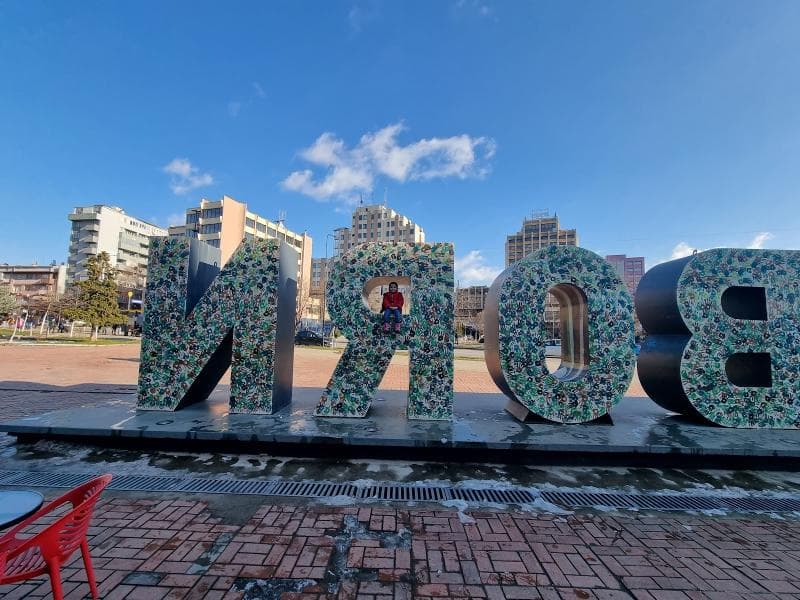
Discover Pristina's Newborn Monument, an iconic 'Event Gathering Zone' symbolizing Kosovo's independence, with its evolving art and cultural significance.
Overview
The area surrounding the Newborn Monument in Pristina, Kosovo, frequently transforms into a vibrant 'Event Gathering Zone'. This iconic typographic sculpture, spelling out the English word 'NEWBORN' in large capital letters, is more than just a static landmark; it's a dynamic public space and a powerful symbol of Kosovo's independence. Located centrally in Pristina, in front of the Palace of Youth and Sports, it serves as a focal point for both locals and international visitors. The monument itself is a bold statement, representing the birth of a new country and its aspirations. This space is renowned for hosting a variety of cultural events, concerts, and public gatherings, making it a lively hub in the heart of the city.
History & Cultural Background
The Newborn Monument was unveiled on February 17, 2008, the very day Kosovo formally declared its independence from Serbia. This momentous event instantly cemented its status as an enduring symbol of freedom, resilience, and new beginnings for the youngest country in Europe. Designed by Kosovar artist Fisnik Ismaili in collaboration with Ogilvy Kosova, the monument was conceived and installed in a remarkably short period of just ten days. Its creation was a direct reflection of the national pride felt by the people of Kosovo as they established their new state. From its inception, the monument was intended to be a 'living' work of art, evolving and reflecting the nation's journey and struggles through annual redesigns.
What Makes It Special
What truly sets the Newborn Monument apart as a unique 'Event Gathering Zone' is its annual transformation. Each year, on the anniversary of Kosovo's independence, the monument is repainted with a new design, conveying a different message from Kosovo to the world. This tradition turns it into a continuously evolving canvas, reflecting current social pulses, national themes, and global events. Past designs have ranged from the flags of countries that recognized Kosovo's independence to camouflage patterns honoring peacekeepers, and even themes addressing gender equality or environmental justice. This ongoing artistic evolution makes the monument a 'live tourist attraction' and a powerful medium for communication, distinguishing it from many other national monuments worldwide. Its innovative design has also garnered international acclaim, receiving prestigious awards such as the Cannes Gold Lion.
Stories, Fun Facts & Local Details
Upon its initial unveiling, the Newborn Monument was painted a striking bright yellow, a color choice that, along with blue banners, subtly echoed the colors of Kosovo's new flag and the European Union. A deeply personal and communal aspect of its early history was the signing of the monument by thousands of citizens, including the President and Prime Minister of Kosovo, as they celebrated their newfound independence. This act transformed the sculpture into a collective declaration. The monument has also achieved global recognition, being featured prominently on the front page of The New York Times and appearing in popular culture, including Kosovar-Albanian singer Rita Ora's music video 'Shine Ya Light'. The chosen word 'Newborn' itself was selected for its universal understandability and its positive connotations of new life, hope, and a fresh future.
Visitor Perspective
For visitors, the Newborn Monument is an essential stop in Pristina, offering a unique blend of history, art, and vibrant community spirit. The surrounding area, functioning as an 'Event Gathering Zone,' is easily accessible and pedestrian-friendly, making it a convenient spot for casual strolls and photography. Many find the monument to be a compelling backdrop for photos, especially during golden hour. Beyond its visual appeal, the area is a dynamic space where travelers can experience Pristina's lively urban scene, often encountering local street art and enjoying nearby cafes. Checking local listings for events and concerts is recommended, as the monument frequently hosts cultural activities that can enrich a visit, making it a truly immersive experience in Kosovo's vibrant capital.
Coordinates: 21.158209, 42.660539
View on Google Maps💬 How Travelers Describe This Place
Based on community votes
Beautiful
722Must See
698Photogenic
595Interesting
358Unique
19
Traveler Stories
Discover memorable experiences shared by travelers who have visited this place.
No traveler stories yet.
Be the first traveler to share what made this place memorable.

Tour
By
Spot
Discover amazing places around the world. Your journey starts here.
Explore
© 2026 TourBySpot. All rights reserved.