Evening markets
Milan, Italy
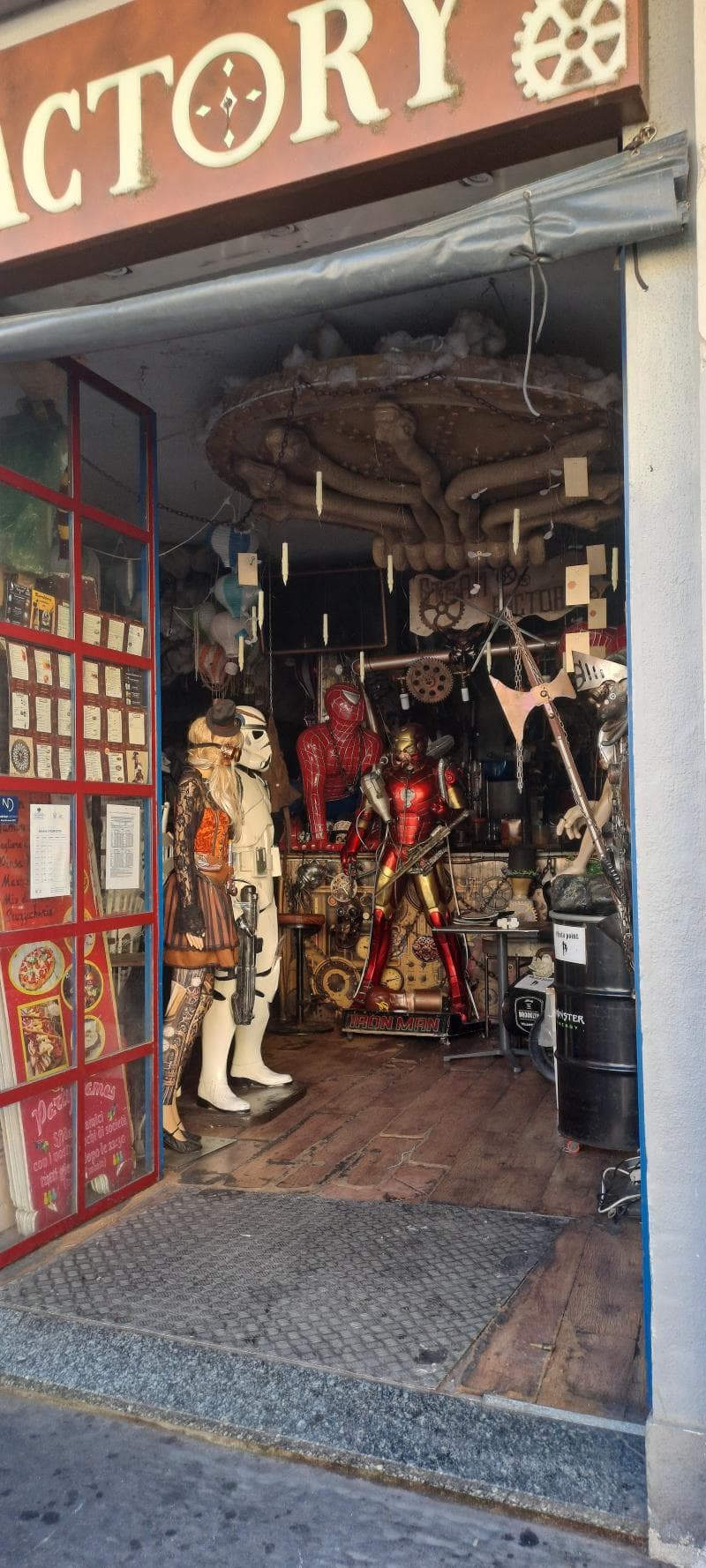
Explore the vibrant Navigli District in Milan, Italy, known for its historic canals, lively evening atmosphere, artisan shops, and popular antique market.
Overview
The Navigli District in Milan, Italy, presents a unique and vibrant atmosphere, particularly as evening descends. While there isn't a single, formally designated 'Evening Market' event, the canals come alive with a bustling energy that evokes a marketplace experience. Visitors can explore numerous artisan shops, independent boutiques, and charming stalls that line the waterways, often extending their hours into the late afternoon and early evening. This creates a dynamic environment where the spirit of market-like discovery blends seamlessly with Milan's renowned aperitivo culture and lively nightlife. The district, centered around the historic Naviglio Grande and Naviglio Pavese, transforms into a hub of social activity, offering a rich tapestry of local crafts, art, and culinary delights against a picturesque backdrop of historic canals and illuminated bridges.
History & Cultural Background
The Navigli canals are an enduring testament to Milan's ingenuity and historical significance. Constructed between the 12th and 16th centuries, these artificial waterways were originally designed to connect Milan to the Ticino and Adda rivers, serving as crucial arteries for trade, transport, and irrigation. The Naviglio Grande, the oldest of these canals, began construction in 1177 and was fully navigable by 1272. They played a pivotal role in the city's development, notably facilitating the transport of massive marble blocks from the Candoglia quarries for the construction of Milan's iconic Duomo cathedral. Legendary polymath Leonardo da Vinci even contributed his expertise to the hydraulic engineering of the canal system, designing innovative lock mechanisms in the late 15th century. Over centuries, these industrial lifelines gradually transitioned from primary commercial routes to the cultural and social heart they are today, their banks now echoing with the sounds of conversation and music rather than cargo ships.
What Makes It Special
The Navigli District's distinct charm lies in its harmonious blend of historical significance and contemporary vibrancy. Its unique canal-side setting, reminiscent of a landlocked Venice, is adorned with colorful houses, quaint bridges, and reflections shimmering on the water, creating an enchanting visual spectacle. This picturesque backdrop hosts a thriving ecosystem of independent galleries, art studios, and craft stores, offering bespoke creations and unique souvenirs. What truly sets the Navigli apart, especially in the evenings, is its energetic social scene. As twilight settles, the district illuminates, and the tradition of aperitivo takes center stage, with bars and restaurants spilling out onto the canal banks, offering drinks accompanied by complimentary bites. This lively atmosphere, combined with the presence of artisan stalls and boutiques that remain open, transforms the area into an experiential 'evening market' where browsing, dining, and socializing intertwine into a quintessential Milanese experience.
Stories, Fun Facts & Local Details
Beyond its visual appeal, the Navigli District is rich with stories and local flavor. A notable detail is the Vicolo dei Lavandai (Washermen's Alley), a beautifully preserved corner where Milanese washerwomen once scrubbed clothes using the canal water. This evocative spot still retains its historic charm, offering a glimpse into everyday life from centuries past. The district is also home to the famed Mercatone dell'Antiquariato (Navigli Antique Market), a sprawling event that takes place on the last Sunday of every month (except August) along the Naviglio Grande. Although primarily a daytime market operating from morning until late afternoon, it draws hundreds of vendors and thousands of visitors, transforming the canals into an expansive open-air treasure hunt for antiques, vintage items, art, and unique collectibles. The presence of such a significant market contributes to the district's reputation as a place of discovery and artisanal trade, even influencing the general 'market' feel of its evenings. The characteristic 'palazzi di ringhiera' – traditional tenement buildings with shared balconies – further narrate the district's history, showcasing a past where communal living defined the urban landscape.
Visitor Perspective
For a curious traveler, experiencing the Navigli District is an immersion into Milan's soul. The late afternoon is often considered the ideal time to arrive, as the soft light enhances the canal's beauty and precedes the evening's effervescent transformation. Strolling along the banks of the Naviglio Grande, one can browse the diverse offerings of artisan workshops and boutiques that stay open, finding unique, handmade items that range from jewelry to art. While not a conventional 'evening market' with fixed stalls operating solely at night, the district's myriad shops, combined with spontaneous street performers and the lively crowds, create a continuous flow of market-like engagement. The highlight for many is undoubtedly partaking in the Milanese aperitivo, a cherished ritual where drinks are served with a generous spread of food. This provides a perfect opportunity to relax, people-watch, and absorb the energetic yet relaxed pace of local life. Whether searching for a special antique on market Sundays or simply enjoying the dynamic atmosphere of an evening by the canals, the Navigli District offers a truly memorable and culturally rich experience.
Coordinates: 9.16693, 45.45021
View on Google Maps💬 How Travelers Describe This Place
Based on community votes
Must See
923Unique
672Photogenic
539Interesting
369Beautiful
232
Traveler Stories
Discover memorable experiences shared by travelers who have visited this place.
No traveler stories yet.
Be the first traveler to share what made this place memorable.

Tour
By
Spot
Discover amazing places around the world. Your journey starts here.
Explore
© 2026 TourBySpot. All rights reserved.