Etosha House
Basel, Switzerland
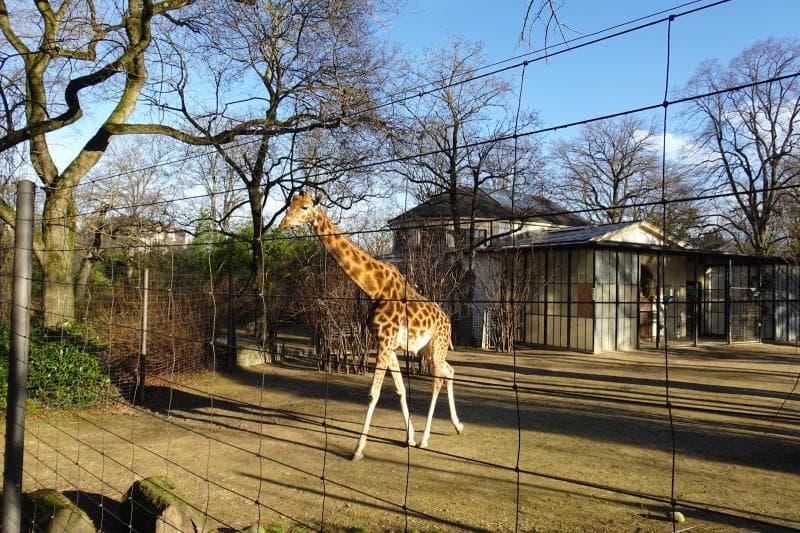
Explore Etosha House at Basel Zoo in Basel, Switzerland, an immersive exhibit showcasing the African savannah's intricate food cycle and diverse wildlife.
Overview
Step into a captivating slice of Africa at the Etosha House, an integral part of the sprawling Basel Zoo in Basel, Switzerland. Opened in 2001, this remarkable facility forms the heart of the Etosha themed area, a pioneering concept designed to immerse visitors in the intricate ecosystem of the African savannah. Named after the famed Etosha National Park in Namibia, the exhibit masterfully illustrates the fundamental principles of the food cycle: growth, eating, being eaten, and decay. It serves as a vibrant habitat for diverse species, offering a genuine glimpse into the natural processes that govern wildlife in their native environment, focusing on the ecological relationships within arid African landscapes.
History & Cultural Background
Basel Zoo, affectionately known as 'Zolli' by locals, first opened its gates in 1874, establishing itself as Switzerland's oldest and largest zoo. The inception of the Etosha theme area in 2001 marked a significant shift in modern zoo design, introducing the innovative idea of creating expansive theme areas that meticulously model animals' natural habitats, moving beyond traditional individual enclosures. The Etosha House itself was conceived and built in 1999, showcasing a unique architectural vision by Peter Stiener. This structure is particularly notable for its construction: solid rammed earth walls, reaching up to 70 centimeters in thickness, are combined with a concrete framework. This choice of material was a groundbreaking attempt to integrate traditional, tactile building techniques with contemporary zoo requirements, providing an authentic, sensory background rather than artificial backdrops. Following the success of Etosha House, the adjacent Gamgoas House, dedicated primarily to lions, opened in 2003, further expanding the immersive African experience.
What Makes It Special
The Etosha House stands out for its profound commitment to authenticity and ecological storytelling. It does not merely display animals; it showcases the intricate network of ecological relationships and the essential role of the food chain in maintaining balance. The exhibit is home to a diverse array of species that vividly represent the savannah ecosystem. Visitors can observe impressive predators such as cheetahs and African wild dogs, alongside smaller yet equally fascinating creatures like ring-tailed lemurs and Cape porcupines. The immersive environment also features Northern Carmine bee-eaters, known for their specialized hunting flights, and the often-overlooked but crucial migratory locusts, presented as a swarm of a thousand animals. Slender-tailed meerkats add a dynamic element with their watchful antics. The explicit theme of 'eat or be eaten' is central to the Etosha experience, providing a clear demonstration of how biological diversity, energy flows, and material cycles are closely interlinked, reinforcing that nature knows no waste. The rammed earth architecture further enhances this special atmosphere, offering a tangible connection to the natural world it seeks to represent.
Stories, Fun Facts & Local Details
Beyond the grand narratives of survival, Etosha House holds many smaller, charming stories. Imagine the 'king' of the Zambian mole rats, one of Etosha's residents, who once made a memorable visit to the zoo's new veterinary station for treatment of an abscess on his toe. This detail offers a peek into the dedicated care these animals receive. Another intriguing sight within Etosha House is the coexistence of golden silk orb-weaver spiders, with their impressive nets, and horned vipers, sharing their habitat in a delicate balance. Observers might also be delighted by the specialized hunting prowess of the Northern Carmine bee-eaters; these vibrant birds are seen catching over 300 insects daily, even expertly removing bee stings before consumption. Basel Zoo itself, affectionately known by locals as 'Zolli', has a rich history of innovative exhibits and deep connection with its community. The Etosha exhibit exemplifies the zoo's broader philosophy, demonstrating that 'nature knows no waste or wastefulness, all materials are retained within the cycle'.
Visitor Perspective
Visiting Etosha House is more than just observing animals through glass; it's an immersive experience designed to transport you directly to the African savannah. The careful design ensures that visitors can witness the complex interactions of the ecosystem firsthand, fostering a deeper understanding and appreciation for these arid landscapes. Educational tours are available, specifically highlighting the 'Eat or be eaten' theme, providing background insights into the intricate relationships between species. The atmosphere is one of calm engagement, where the naturalistic habitats and the tactile rammed earth walls create a tranquil escape from urban life. This focus on animal well-being and naturally designed layouts aims to provide not only an enjoyable visit but also a profound educational journey, connecting guests with the vital cycles of nature and the importance of biodiversity.
Coordinates: 7.578764, 47.547336
View on Google Maps💬 How Travelers Describe This Place
Based on community votes
Unique
898Interesting
667Must See
618Beautiful
308Photogenic
32
Traveler Stories
Discover memorable experiences shared by travelers who have visited this place.
No traveler stories yet.
Be the first traveler to share what made this place memorable.

Tour
By
Spot
Discover amazing places around the world. Your journey starts here.
Explore
© 2026 TourBySpot. All rights reserved.